The Link Between Water Damage and Mold: Inspection and Removal Strategies
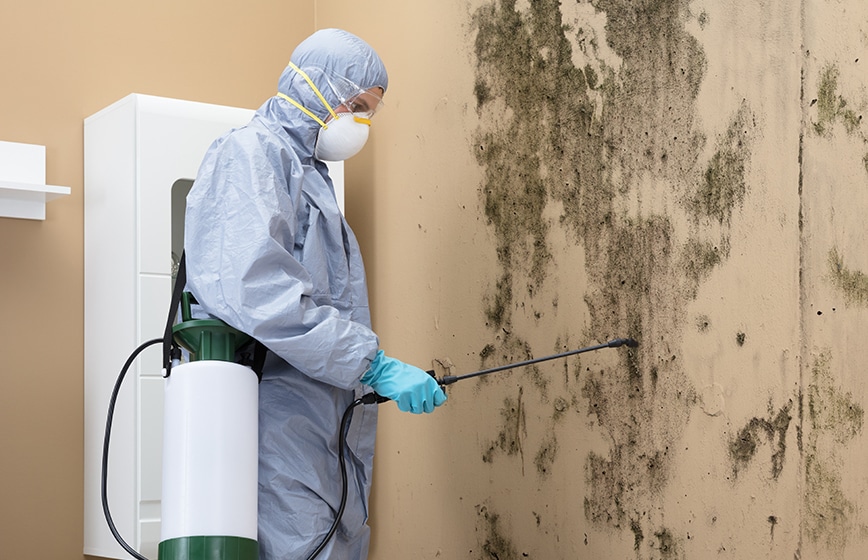
Water damage, whether from a flood, plumbing leak, or roof issue, often paves the way for mold growth. When left unaddressed, mold can spread rapidly, causing structural damage and health risks. Mold removal becomes essential to restore indoor air quality and prevent long-term damage. This post explores the connection between water damage and mold, inspection strategies, and effective removal methods. For residents and businesses facing such issues, professional mold removal New York services like Ace Mold offer critical solutions to manage both visible and hidden mold growth resulting from water exposure.
Water damage is a significant concern that can lead to mold growth if not addressed promptly. Understanding the connection between water damage and the need for thorough mold inspection and removal is crucial for maintaining a healthy living environment. For comprehensive insights on effective strategies and solutions, refer to the article that provides valuable information on tackling water damage and ensuring your home remains safe and mold-free.
How Water Damage Leads to Mold Growth: The Timeline of How Quickly Mold Forms After Water Exposure
When water infiltrates a property, mold growth can begin within a short timeframe, often catching property owners off guard. Mold spores exist everywhere, but they only thrive under specific conditions—moisture, warmth, and organic materials. Identify And Eliminate The Causes Of Mold With The Best Mold Remediation Salt Lake City Trusts.
- 24-48 Hours: Within the first day or two, mold spores can begin to germinate if the affected area remains damp. Surfaces such as wood, drywall, and carpet are particularly vulnerable.
- 3-12 Days: Mold colonies can become visible to the naked eye, often appearing as black, green, or white patches. This is the critical period where mold spreads rapidly, especially in dark, humid areas.
- 14-21 Days: If untreated, the mold will deeply penetrate materials, making removal more difficult. Structural damage and health issues become more pronounced as mold continues to grow and release spores.
Identifying Hidden Water Leaks: Tips for Locating Mold Hotspots Caused by Undetected Plumbing or Roofing Leaks
Hidden water leaks, particularly those from plumbing or roofing, are common culprits of mold formation. These leaks often go unnoticed for extended periods, creating prime environments for mold growth.
- Check for Discoloration: Stains or discoloration on ceilings and walls often signal hidden water leaks. These are early signs that water has penetrated the structure and is creating moisture-laden environments for mold.
- Monitor Water Bills: A sudden increase in your water bill may indicate an undetected leak in your plumbing system. Higher-than-normal water usage often points to water escaping somewhere behind the walls or under the floors.
- Investigate Musty Odors: Mold often produces a musty, unpleasant odor. If certain rooms or areas in your home or business smell damp despite regular cleaning, you may have a hidden mold problem caused by water damage.
- Use Moisture Meters: Professionals often use moisture meters to detect dampness in walls, ceilings, and flooring. This tool can help locate concealed water damage and mold-prone areas.
Mold Inspection After Flooding: Why Post-Flood Mold Inspections Are Crucial for Both Homes and Businesses
Flooding leaves homes and businesses vulnerable to a host of issues, one of the most dangerous being mold growth. Even if floodwaters recede and surfaces appear dry, mold can continue to thrive in hard-to-reach areas like behind walls, under flooring, and inside insulation.
- Preventing Long-Term Damage: After a flood, materials like drywall, wood, and carpeting retain moisture. Without professional intervention, mold will take root in these materials, causing structural weakening and long-term damage.
- Health Considerations: Mold can release allergens, irritants, and toxic substances into the air, impacting indoor air quality. A post-flood inspection ensures that any potential mold growth is identified and addressed before it affects the health of the property’s occupants.
- Hidden Mold Growth: After a flood, visible mold isn’t the only concern. A comprehensive mold inspection targets hidden areas that can harbor molds, such as attics, basements, and crawl spaces.
- Insurance Compliance: Many insurance companies require mold inspections as part of their flood damage claims process. A professional inspection can provide documented proof of the damage for insurance purposes.
Repairing Water Damage Before Mold Removal: Steps to Resolve the Water Source to Ensure Mold Doesn’t Return
Mold removal can only be successful if the underlying water source has been effectively dealt with. If not, even after professional remediation, mold will return, leading to more headaches down the road.
- Fix Leaks: Any visible or hidden leaks in plumbing or roofing must be repaired first. Without fixing the leak, moisture will continue to accumulate, allowing mold to reappear.
- Dry the Area Completely: After repairs, the affected area should be thoroughly dried. Use industrial fans and dehumidifiers to eliminate moisture from walls, floors, and ceilings. Mold thrives in moist environments, so ensuring complete dryness is essential.
- Replace Damaged Materials: In some cases, water-damaged materials, like insulation or drywall, may need to be replaced. This prevents mold from regrowing in compromised materials.
- Seal Cracks and Gaps: Small cracks in walls or gaps in roofing can lead to future water infiltration. Seal these areas to protect against future water damage that can restart the mold cycle.
Conclusion
The link between water damage and mold is undeniable, with mold often being a secondary yet inevitable consequence of untreated water issues. Immediate action, thorough inspections, and professional services like Ace Mold are crucial for preventing mold from taking hold and causing further damage to your home or business. By identifying water leaks early, conducting post-flood inspections, and addressing water damage before mold removal, property owners can protect their spaces from the long-term effects of mold growth. Proper mold management, be it mold inspection Staten Island or removal, requires both a proactive and responsive approach to ensure lasting results and a healthy living or working environment.