The Natural and Holistic Way of Removing Toenail Fungus Fast
Understanding Toenail Fungus and Its Symptoms
Toenail fungus, medically known as onychomycosis, is a common fungal infection affecting the toenails. This condition occurs when fungi, usually dermatophytes, invade the nail bed, leading to noticeable and often uncomfortable changes.
Common Symptoms
Identifying toenail fungus early can aid in effective treatment. Key symptoms include:
- Discoloration: Nails may turn white, yellow, or brown.
- Thickening: The infected nail thickens and becomes challenging to trim.
- Cracking: Affected nails may become brittle and crack or crumble.
Causes and Contributing Factors
Several factors can contribute to the development of toenail fungus:
- Improper Shoe Ventilation: Wearing tight or non-breathable shoes creates a warm, moist environment ideal for fungal growth.
- Damp Environments: Frequent exposure to damp areas such as public showers or swimming pools increases the risk.
- Microtrauma to Toenails: Injuries to the toenails can create openings for fungi to enter.
Understanding these symptoms and causes can help in taking preventive measures and seeking timely intervention.
Natural Remedies for Toenail Fungus
Below is a list of proven effective ways of naturally removing toenail fungus.
Tea Tree Oil
Benefits of Tea Tree Oil in Treating Fungal Infections
Tea tree oil is a popular natural remedy for toenail fungus due to its powerful antifungal properties. It is extracted from the leaves of the Melaleuca alternifolia plant and contains compounds like terpinen-4-ol that are known to effectively fight fungal infections. Studies have shown that tea tree oil can inhibit the growth of dermatophytes, which are the fungi responsible for onychomycosis (a common nail infection).
Key benefits of using tea tree oil for toenail fungus include:
- Fighting Fungi: The main reason tea tree oil is effective is because it can disrupt the cell membranes of fungi, preventing them from growing and multiplying.
- Reducing Inflammation: Tea tree oil helps reduce swelling and redness around the affected area of the nail.
- Preventing Infections: Its antiseptic properties can help prevent secondary infections that may occur from cracked or damaged nails.
How to Use Tea Tree Oil Safely and Effectively
To get the most benefits from tea tree oil while ensuring safety, it’s important to use proper application methods:
- Dilution: Pure tea tree oil is very strong and may irritate the skin if used without mixing. Combine it with a carrier oil like olive oil or coconut oil in equal parts before applying.
- Direct Application: Using a cotton swab, apply the diluted mixture directly onto the affected nail and surrounding skin twice daily. Make sure the nail is clean and dry before applying.
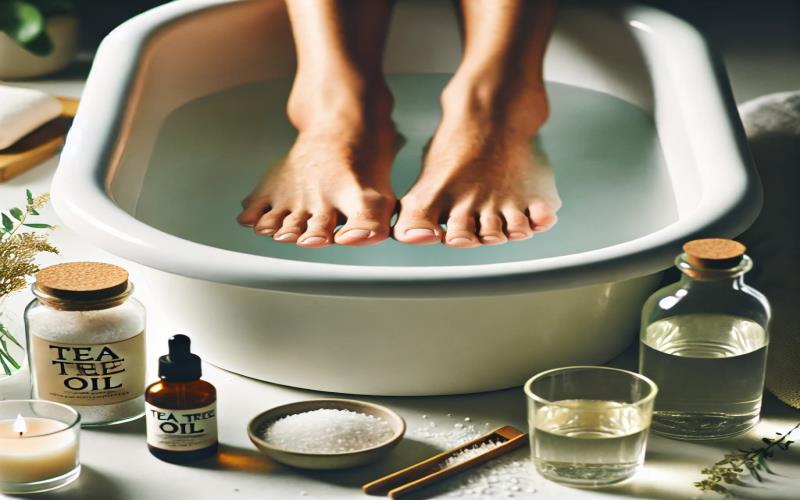
- Foot Soak: Add a few drops of tea tree oil to a basin of warm water and soak your feet for 15-20 minutes every day.
- Be Consistent: Regular application over several months is necessary for visible improvement as toenails grow slowly.
Remember to take precautions such as doing a patch test to check for allergic reactions, avoiding contact with broken skin, and consulting a healthcare provider if you experience any negative effects.
By understanding how to use tea tree oil’s natural properties, you can effectively treat toenail fungus as part of a holistic approach to healing.
- Garlic
Garlic is well-known as a natural remedy for toenail fungus because of its strong antifungal properties. The main ingredient, allicin, has powerful antifungal, antibacterial, and antimicrobial effects, making it effective in fighting off fungal infections.
How Allicin Works Against Fungi
- Allicin is a sulfur compound released when garlic is crushed or chopped.
- It disrupts the fungal cell walls and inhibits their growth.
- Its efficiency extends beyond fungi to a broad spectrum of pathogens.
How to Use Garlic for Best Results
1. Fresh Garlic Clove:
- Crush a garlic clove and apply the paste directly to the affected nail.
- Secure with a bandage and leave it on for 30 minutes daily.
2. Garlic Oil:
- Mix crushed garlic with olive oil and let it sit for a few days.
- Apply the infused oil to the infected area twice daily.
3. Garlic Soak:
- Add several crushed garlic cloves to a basin of warm water.
- Soak your feet for 30 minutes daily.
These methods make use of garlic’s natural strength, fitting in with holistic treatment methods by effectively using nature’s resources. It’s important to apply consistently, just like with tea tree oil for toenail fungus, ensuring that these natural remedies have enough time to combat the infection.
4. Ozonized Sunflower Oil
Ozonized sunflower oil is gaining popularity in natural remedies for toenail fungus due to its unique antifungal properties. The ozonation process infuses sunflower oil with ozone, creating a potent solution that can effectively combat fungal infections.
How It Works Against Fungal Infections
- Antifungal Properties: Ozone is known for its ability to destroy microorganisms, including fungi. When combined with sunflower oil, it forms a powerful antifungal agent that penetrates the nail and targets the infection.
- Healing Benefits: This oil not only fights the fungus but also promotes healing of the affected area by improving blood circulation and oxygen supply to the infected site.
Application Techniques
- Direct Application: Apply a few drops of ozonized sunflower oil directly onto the affected toenail twice daily. Ensure the nail is clean and dry before application.
- Massage: Gently massage the oil into the nail and surrounding skin to enhance absorption and effectiveness.
- Consistency: Regular application is crucial. Consistency and patience play essential roles in seeing significant improvements.
Incorporating ozonized sunflower oil into your holistic approach to treatment can be an effective way to tackle toenail fungus naturally.
5. Apple Cider Vinegar and Baking Soda
Apple cider vinegar (ACV) is a popular choice among natural remedies for toenail fungus due to its antifungal properties. Incorporating ACV into your treatment routine can be done in two effective ways:
- Foot Soaks: Combine equal parts of ACV and water in a basin. Soak your feet for about 15-20 minutes daily. This method helps in creating an acidic environment that inhibits fungal growth.
- Direct Application: Apply undiluted ACV directly to the affected toenail using a cotton ball. Secure it with a bandage and leave it on for several hours.
Baking soda works synergistically with ACV by neutralizing the pH levels, creating an inhospitable environment for fungi:
- Creating a Paste: Mix a few tablespoons of baking soda with water to form a thick paste. Apply this mixture directly onto the infected nail, letting it sit for 10-15 minutes before rinsing off. Repeat this process twice daily for optimal results.
Holistic approaches to treatment emphasize consistency and patience, essential when using natural remedies like these.
6. Oregano Oil
Oregano oil is a powerful natural remedy for toenail fungus, known for its high thymol content. Thymol is a strong compound with antifungal and antibacterial properties, making oregano oil an effective treatment option.
Applying Oregano Oil Safely:
- Dilution: Pure oregano oil can be intense and may cause skin irritation. Dilute it with a carrier oil, such as olive or coconut oil, in a 1:1 ratio before applying.
- Direct Application: Use a cotton swab to apply the diluted mixture directly onto the affected nail twice daily.
- Consistency: Regular application is key to seeing results over time.
Using oregano oil as part of holistic approaches to treatment aligns well with other natural remedies for toenail fungus, such as tea tree oil for toenail fungus. This integrated method promotes overall foot health while targeting fungal infections effectively.
7. Listerine Antiseptic Mouthwash
Listerine antiseptic mouthwash is another unconventional yet popular choice among natural remedies for toenail fungus. Its effectiveness lies in its active ingredients such as thymol, eucalyptol, and menthol, all known for their antifungal and antibacterial properties.
Soaking feet in Listerine for treatment:
- Fill a basin with enough Listerine to submerge the affected toes.
- Soak your feet for 30 minutes daily.
- Dry thoroughly after soaking to prevent further fungal growth.
Evidence supporting its use as a natural remedy:
While clinical studies on the use of Listerine specifically for toenail fungus are limited, anecdotal evidence and user testimonials suggest it can be effective. The antifungal properties of its ingredients are well-documented, which supports its potential as a holistic approach to treatment. Regular use, coupled with patience and consistency, is key to seeing results.
Using Listerine offers a practical addition to the natural regimen that includes tea tree oil for toenail fungus and other remedies discussed in this guide.
Home Treatments for Onychomycosis: Best Practices and Tips
Consistency and patience are key when using home treatments for onychomycosis. Natural remedies often take longer to show results compared to traditional treatments. By applying the treatment regularly and sticking to the schedule, you greatly increase your chances of success.
Overview of Various Home Treatments:
- Tea Tree Oil: Known for its antifungal properties, tea tree oil can be applied directly or diluted to treat infected nails.
- Garlic: The allicin in garlic combats fungal infections. Applying crushed garlic or garlic oil can yield results.
- Ozonized Sunflower Oil: This oil targets fungal infections effectively when used as directed.
- Apple Cider Vinegar and Baking Soda: Combining these two ingredients in a foot soak or paste can help manage fungal growth.
- Oregano Oil: The thymol content in oregano oil offers antifungal benefits, making it a viable option for direct application.
- Listerine Antiseptic Mouthwash: Soaking feet in Listerine may help due to its antiseptic properties.
Tips for Best Practices:
- Maintain a consistent routine; apply treatments daily as recommended.
- Keep affected nails trimmed and clean.
- Monitor progress regularly but understand that visible improvements might take several months.
“Patience is not simply the ability to wait – it’s how we behave while we’re waiting.” – Joyce Meyer
Practicing these tips ensures an effective approach towards managing toenail fungus naturally.
Nail Care Tips for Prevention
Importance of Regular Nail Trimming in Prevention and Treatment
Maintaining well-trimmed nails is crucial to preventing fungal infections. Long or jagged nails can create pockets where fungi thrive. By regularly trimming your nails:
- Minimize Trauma: Shorter nails are less likely to be injured, reducing the risk of fungal entry.
- Improve Hygiene: Easier to clean and maintain, reducing areas where fungi might grow.
- Promote Healing: Helps ensure that treatments can penetrate more effectively.
Nail Trimming Techniques:
- Use a clean, sharp nail clipper.
- Trim nails straight across to avoid ingrowth.
- Smooth edges with a file to prevent snags and tears.
Best Practices for Maintaining Foot Hygiene to Prevent Fungal Growth
Proper foot hygiene is vital in keeping toenail fungus at bay. Moisture and warmth are breeding grounds for fungi, making it essential to keep feet dry and clean.
Key Practices:
- Daily Washing: Wash feet daily with soap and water, ensuring they are thoroughly dried, especially between the toes.
- Drying Techniques: Use a towel specifically for your feet; consider using a hairdryer on a cool setting.
- Footwear Choices: Opt for breathable materials like cotton socks and well-ventilated shoes.
- Change Socks Regularly: Switch to fresh socks if your feet become damp during the day.
- Antifungal Powders: Apply powders to feet and inside shoes to absorb moisture.
Consistent application of these practices significantly reduces the risk of developing toenail fungus, promoting overall foot health.
When to Seek Professional Help with Toenail Fungus Treatment?
Knowing when to get professional help for toenail fungus is important for effective management. While natural remedies can work well, there are certain signs that indicate the need for medical intervention:
- Persistent Pain and Discomfort
If the toenail fungus causes significant pain or discomfort that interferes with daily activities, consulting a healthcare professional is advisable.
-
Severe Discoloration and Deformation
Extensive discoloration, thickening, or deformation of the nail that does not improve with home treatments may require prescription medication or other medical procedures.
-
Spreading Infection
If the infection spreads to other nails or skin areas despite ongoing treatment, it signifies that more robust antifungal strategies are needed.
-
Underlying Health Conditions
Individuals with diabetes, compromised immune systems, or circulatory issues should seek professional advice sooner due to higher risks of complications.
How Long Does It Take to Cure Toenail Fungus?
Natural treatments typically require several months to show visible improvement as the affected nail grows out. Patience and consistency are key; however, if there’s no progression over a prolonged period, professional guidance ensures proper care and prevents further complications.
Professional interventions might include:
- Topical or oral antifungal medications
- Laser treatments
- Surgical removal in extreme cases
Seeking timely professional help ensures comprehensive care and minimizes the risk of severe outcomes, particularly in vulnerable individuals.
The Holistic Approach to Toenail Fungus Treatment: Embracing Natural Remedies with Patience and Care
Taking a holistic approach to treating toenail fungus means combining natural remedies with regular care routines. It’s important to be patient, as these treatments usually take time to show results.
How Natural Remedies Work
- Tea tree oil, garlic, ozonized sunflower oil, and other natural substances work best when used regularly.
- Consistent nail care routines, such as keeping nails trimmed and clean, complement the effectiveness of these treatments.
By balancing natural therapies with diligent self-care, you can achieve healthier, fungus-free nails over time.
Learn more information about removing toenail fungus and other natural health tips at lifefitnews.com