
Ultimate Guide to Choosing the Right Tablet Screen Size

How comfortable, productive, and entertaining your tablet experience is depends on screen size. The optimum tablet size depends on your usage—reading, streaming, working, or gaming. Size doesn’t always matter, and smaller doesn’t necessarily equal more portable if it reduces usefulness. Given the different brands and sizes, choosing wisely begins with knowing what each size accomplishes well. Each tablet size has merits and downsides, display quality matters, and there are things to consider before buying. Finding the right tablet size maximizes its usefulness for students, professionals, and casual users.
What Tablet Screen Sizes Are Available?
Small Tablets (7–8 inches) – Compact & Portable
Users who value portability over screen real estate will enjoy tiny tablets. They are around 7-8 inches long and light enough to be carried for long periods of time. These little devices are ideal for reading eBooks, accessing the web, and watching short videos. Kids, travelers, and anybody who requires a second screen on the go will appreciate their compact size. However, small tablets may reduce productivity and multitasking. Typing may be awkward in smaller app layouts. Tiny pills, on the other hand, are compact and lightweight, making them ideal for bagging or transporting.
Medium Tablets (9–11 inches) – A Balanced Choice
Medium-sized tablets provide the finest blend of usefulness and portability. With screens ranging from 9 to 11 inches, they are large enough for immersive video viewing and multitasking while being portable. Many popular flagship tablets fall into this category since they are suitable for the majority of use cases, including content consumption and light productivity. Split-screen functionality works well at this size, and attachments like keyboards and styluses are frequently fully supported. Medium tablets are ideal for students, professionals, and families alike. While slightly heavier than tiny pills, they remain pleasant to grip for extended periods of time. A medium tablet is an excellent alternative for anyone looking for a multipurpose gadget that can manage both work and play without feeling too heavy.
Large Tablets (12 inches and above) – For Power Users
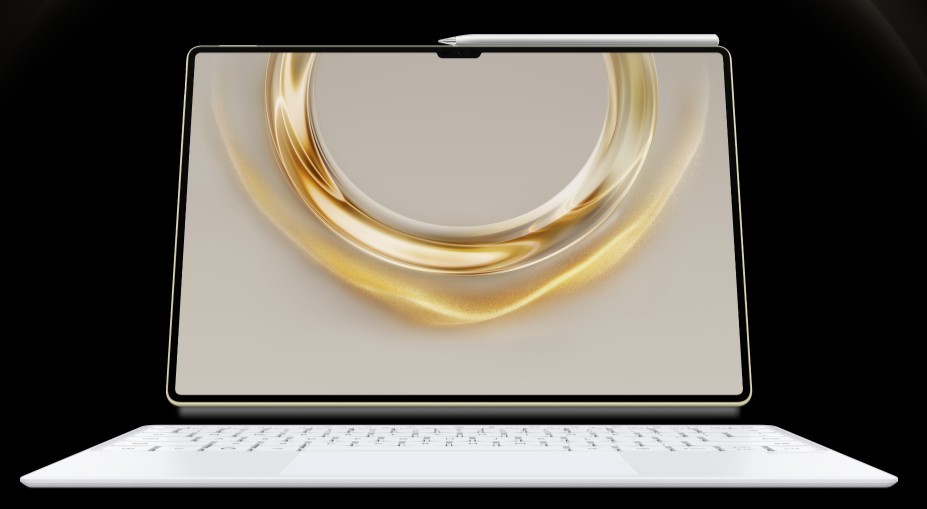
Large tablets provide ample screen area and are built with efficiency, creativity, and professional work in mind. These 12-inch or larger tablets are ideal for digital artists, video editors, and anybody who regularly multitasks. They are frequently used to replace laptops when combined with a stylus or detachable keyboard. Their large display makes it simpler to utilize desktop-style interfaces, run numerous programs simultaneously, and see high-resolution material. However, big tablets are less portable and heavier to transport, making them better suited for workplace or home use. Larger displays can also have an impact on battery life. Large tablets provide unparalleled capability and power to consumers who require high performance and screen real estate.
Screen Size vs. Display Quality – What Matters More?
Resolution and Pixel Density Explained
Screen size alone does not ensure clarity; resolution and pixel density are just as important. Resolution relates to how many pixels fit on the screen, and higher values indicate crisper visuals. Pixel density, defined in PPI (pixels per inch), indicates how detailed the display appears from a normal viewing distance. A tiny screen with high resolution may look crisper than a larger screen with the same resolution. Aim for a minimum of 220-300 PPI to provide legible text and sharp images. Tablets with a greater pixel density are ideal for reading, design, and video editing. When evaluating tablets, don’t just look at the size; also consider the resolution and PPI to ensure the display satisfies your clarity and detail requirements.
LCD vs OLED: Does Screen Type Matter?
The type of screen you use determines your viewing experience. LCD panels are common, bright, and accurate. Good for general use and less expensive. OLED panels provide deeper blacks, brighter colors, and better contrast. They also utilize less power while displaying dark materials. OLED displays are ideal for movies, photo editing, and visual applications. OLED displays are more expensive and may burn in with static data. If you desire superior visuals and color depth, consider switching to OLED. A calibrated LCD is ideal for simple operations.
Buying Tips: How to Choose the Right Tablet Size
Consider Use Cases and Portability
Start by considering how you intend to use your tablet on a daily basis. Will it remain at home or go with you? If you only use it for reading, video streaming, or casual web surfing, a smaller or medium-sized tablet should suffice. If you are replacing a laptop, editing images, or utilizing productivity applications, get a bigger screen. Portability is also important—smaller tablets fit into smaller bags and are simpler to carry. Large tablets are ideal for situations where screen area is more critical than compactness. Make a list of your top three use cases and let them dictate your size selection. The greatest tablet is tailored to your lifestyle, not simply your screen preference.
Don’t Ignore Weight and Hand Comfort
Weight directly influences how long you can comfortably hold a tablet, particularly when reading, sketching, or gaming. Larger pills sometimes weigh more than 1.5 pounds, causing fatigue with one-handed usage. Tablets in medium and small sizes are often more ergonomic and comfortable to hold. Consider how you’ll hold the device: propped up on a stand, cradled in your hand, or lying flat. Rounded corners, narrow bezels, and a solid overall grip all contribute to comfort. If you’re buying online, always verify the tablet’s weight in the product specifications and compare it to what you’re already using. Lightweight variants relieve hand strain and are more suitable for children and casual users. Comfort is frequently more important than screen size alone.
Try Before You Buy or Use Size Comparison Tools
If possible, go to a store and compare different tablet sizes in person. This allows you to grasp how each one feels, looks, and operates. Comparing them allows you to see which one best matches your grip, eyesight, and degree of comfort. If you’re purchasing online, try the virtual size comparison tools available on many brand websites. These tools imitate screen sizes on your existing device, allowing you to compare models before purchasing. Check out product videos or reviews that include hands-on footage to get a sense of scale. Making an informed selection based on physical feel and visual size allows you to prevent regret. After experimenting with a few possibilities, your perfect screen size is generally immediately apparent.
Conclusion
Choosing the appropriate tablet screen size requires balancing comfort, functionality, and personal choice. The optimum choice for a small, medium, or big tablet is determined by how and where it will be used. Beyond the dimensions, screen resolution, display type, and device weight are all important considerations. Don’t rush your selection; instead, take the time to consider which qualities are most important. Try testing gadgets in person or comparing them remotely. If you’re considering a Huawei device, browsing the huawei app gallery app list can also help you check app availability and compatibility for your needs. A well-chosen tablet improves your workflow, entertainment, and daily routine without compromise.


