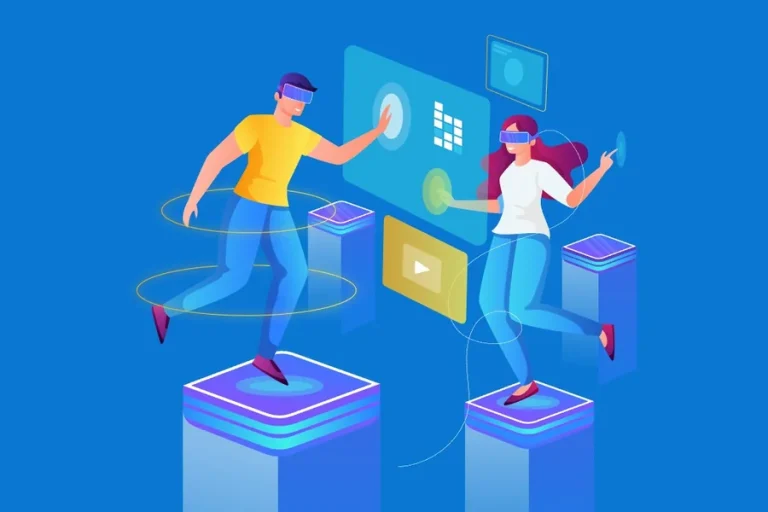
Virtual Reality Company: Revolutionising Industries and Experiences
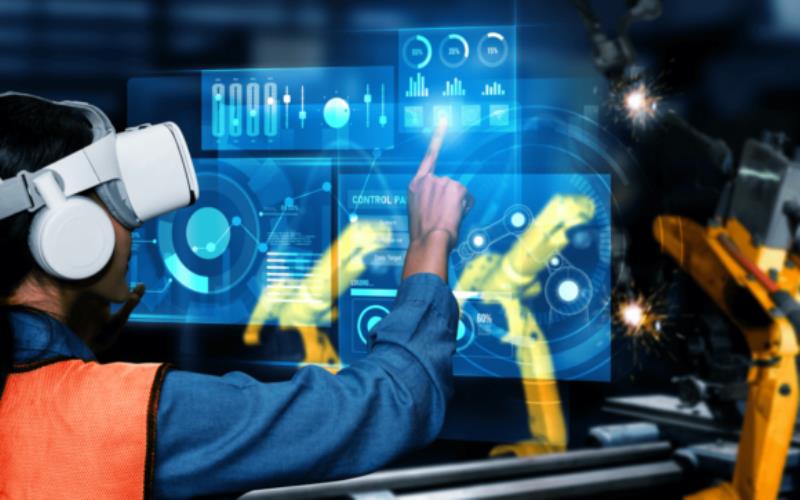
In recent years, the rise of Virtual Reality (VR) has transformed the way we interact with digital content, offering immersive experiences that were once the stuff of science fiction. As a result, the role of a Virtual Reality company has become increasingly important in various industries, from gaming to education, healthcare, and beyond. These companies are at the forefront of developing innovative solutions that push the boundaries of technology, shaping the future of both entertainment and professional applications.
What is Virtual Reality?
Virtual Reality refers to a computer-generated environment that allows users to interact with a 3D space as if they were physically present in it. Through the use of VR headsets and other equipment, users can experience sights, sounds, and even tactile sensations, making them feel as though they are truly part of the virtual world. This immersive experience is what sets VR apart from traditional media formats like video games or films.
The Role of a Virtual Reality Company
A Virtual Reality company is responsible for developing and providing VR solutions for various sectors. These companies typically create VR software, hardware, or both, depending on their area of expertise. From developing VR platforms for gaming to creating training simulations for businesses, a VR company’s work is central to the continued evolution of this cutting-edge technology.
Some VR companies focus on specific industries, such as healthcare, where VR can be used for medical training, surgical simulations, or even therapeutic treatments for mental health issues. Others may cater to the entertainment industry, offering immersive experiences for film, television, and gaming. Regardless of the industry, the goal of a Virtual Reality company is to create engaging, interactive environments that can simulate real-world scenarios or open up entirely new worlds for exploration.
VR in Gaming and Entertainment
One of the most well-known applications of Virtual Reality is in the world of gaming. The immersive nature of VR allows players to experience games in a whole new way, offering a sense of presence and realism that traditional gaming cannot match. Virtual Reality companies in the gaming sector have developed everything from full-body tracking systems to VR headsets that offer high-definition visuals and surround sound, making the experience truly captivating.
In addition to gaming, VR is also making waves in the film and television industries. With VR headsets, viewers can engage with movies and shows in ways they never have before, exploring environments, interacting with characters, or even changing the course of a storyline. This level of interactivity is creating new opportunities for storytelling, enabling a more personal and immersive experience for the audience.
Virtual Reality in Business and Education
Beyond entertainment, Virtual Reality companies are making significant strides in fields like business and education. In business, VR is being used for everything from virtual conferences and meetings to product design and prototyping. By simulating real-world environments, VR allows businesses to test ideas and concepts before committing to expensive physical prototypes or projects.
In education, VR provides opportunities for students to learn in dynamic and engaging ways. Virtual field trips, immersive history lessons, and science experiments can be experienced without ever leaving the classroom. For medical students, VR offers the chance to practice surgeries and procedures in a risk-free, controlled environment. The applications of VR in education are endless, and many institutions are increasingly adopting these technologies to enhance the learning experience.
The Future of Virtual Reality
As VR technology continues to advance, the possibilities for its use are growing exponentially. More Virtual Reality companies are emerging, each working to push the limits of what VR can achieve. From improving hardware for better realism to creating more intuitive software, the future of VR is full of exciting developments. As the technology becomes more accessible and affordable, it’s likely that VR will become a staple in many more aspects of everyday life.