What a Construction Site Doesn’t Say Out Loud About Risk
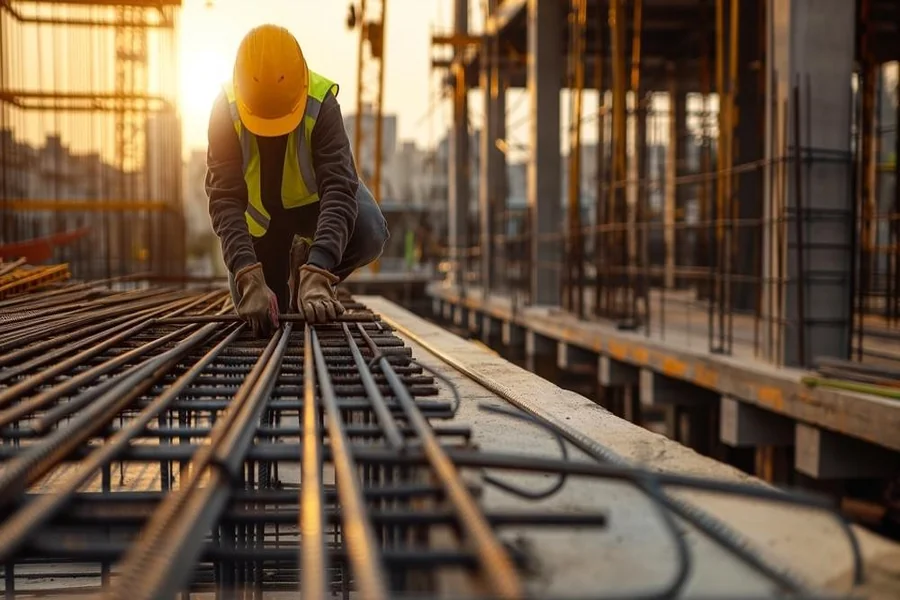
Steel frames rise fast, machines keep moving, and every corner of a construction site looks like progress in motion. Beneath that steady rhythm sits a quieter reality that rarely gets attention. Risk is not always loud or visible. It sits in loose cables, rushed schedules, tired workers, and moments that pass too quickly to notice.
Most people only see the finished structure, not the pressure that builds it. The truth is, even small oversights can lead to serious harm, and that is where legal guidance often becomes important, especially when someone needs a construction site injury attorney after an unexpected incident.
This blog looks at what is often left unsaid about construction site risks and why they matter more than they seem.
The Pressure Behind Every Fast-Moving Project
Construction sites are built on deadlines that rarely move. Every day comes with targets that push teams to work faster than the day before. That pressure quietly shapes decisions, and sometimes safety steps get shortened without anyone openly saying it.
A tool left slightly out of place or a walkway not fully cleared may not feel like a big issue in the moment. Yet these small gaps often create the conditions where accidents begin. What makes it harder is that everyone on site becomes used to the pace, which slowly normalizes small risks.
Many injuries linked to construction site negligence start in these unnoticed moments where speed takes priority over caution.
Equipment That Speaks Through Wear and Tear
Machines on a construction site rarely stop moving. They lift, cut, drill, and carry heavy loads all day long. Over time, even well-maintained equipment begins to show signs of stress, but those signs are not always addressed quickly.
A slightly delayed brake response or a worn-out strap may not seem urgent until something goes wrong. The challenge is that equipment issues often build slowly, making them easy to overlook during busy schedules.
This is where responsibility becomes important. Regular checks are expected, but not always followed with consistency. When equipment failure leads to harm, it often raises questions about oversight and workplace safety negligence.
Human Fatigue That Rarely Gets Noticed
Workers on construction sites carry more than tools. They carry long hours, physical strain, and constant focus in changing environments. Fatigue becomes part of the routine, even when no one talks about it openly.
A tired moment can mean a missed step or a slower reaction. These are not dramatic errors, just human ones, but on a construction site, even small lapses can have serious outcomes.
Fatigue is often treated as normal, especially in fast projects, yet it quietly increases the risk of accidents. This is one of the least visible but most influential factors behind site injuries, especially in cases where someone may later seek help from a construction site injury attorney.
Communication Gaps That Create Silent Danger
Construction sites depend heavily on communication. Instructions move quickly between supervisors, teams, and subcontractors. But not every message is delivered clearly or received fully.
Sometimes updates are rushed, sometimes instructions change mid-task, and sometimes assumptions replace confirmation. These gaps may last only seconds, but they can lead to confusion in high-risk environments.
A missed signal or misunderstood direction can shift responsibility in ways no one expects. Communication failures are often found later in investigations related to construction site safety violations, even though they feel minor at the time.
Safety Rules That Exist but Are Not Always Followed
Most construction sites have safety rules posted clearly in visible areas. Helmets, harnesses, protective gear, and restricted zones are all part of the system. The challenge is not always the absence of rules but the inconsistency in following them.
In busy environments, shortcuts start to appear. A worker might step into a restricted area for a quick task or skip a protective step to save time. These choices rarely feel dangerous in the moment.
However, safety rules exist for conditions that change quickly and without warning. When they are ignored, even briefly, the risk level increases without obvious signs.
Weather and Environment That Shift Without Warning
Outdoor construction sites are constantly affected by changing weather. Rain can make surfaces slippery, wind can affect balance, and heat can reduce focus. These changes do not always stop work, but they change how safe the environment is.
The problem is that schedules often continue regardless of these shifts. Workers adjust as best as they can, but not every condition is fully manageable in real time.
Environmental risks are unpredictable, which is why they play a major role in many construction accident claims that are later reviewed for responsibility and preventability.
Small Decisions That Lead to Bigger Consequences
Not every accident starts with a major mistake. Many begin with small decisions that seem harmless. Leaving a tool on a step, taking a shortcut through a marked area, or continuing work in low visibility can all feel routine.
Over time, these decisions build layers of risk. When something goes wrong, it is rarely one single action but a combination of overlooked moments.
Understanding this helps explain why construction site incidents are often more complex than they appear on the surface.
When Hidden Risks Turn Into Legal Questions
Once an injury occurs, attention often shifts to what was missed before the incident. This includes safety practices, equipment checks, supervision levels, and communication records. Each detail becomes part of a larger picture.
This is where a construction site injury attorney may step in to examine how responsibilities were handled and whether proper safety standards were maintained.
The goal is not only to respond after harm occurs but to understand how the system around the site contributed to the outcome.
Closing Reflection
Construction sites move fast, but risk moves quietly. It grows in pressure, fatigue, missed signals, and small overlooked actions that rarely stand out in the moment. What looks stable from a distance often carries layers of hidden vulnerability.
Recognizing these patterns does not change the nature of construction work, but it does highlight why safety systems, awareness, and accountability matter at every level.