What Retailers Wish They Knew Before Sourcing Their First Shoe Collection
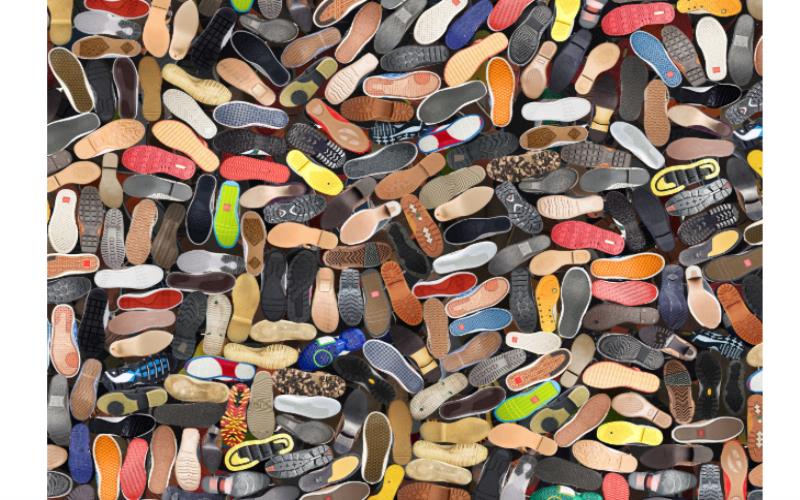
Starting your first shoe collection is an exciting step, but it’s not as simple as picking out a few styles and hoping for the best. Behind every successful collection is careful planning and a strong understanding of what goes into sourcing footwear. This is often where new retailers realize there’s more to the process than they anticipated.
From choosing the right styles to finding a manufacturer who meets your quality standards, challenges can quickly pile up. Common hurdles include managing tight budgets alongside ambitious designs, keeping to timelines, and predicting customer preferences. Without a clear plan, it’s easy to overspend or end up with shoes that don’t sell.
But there’s good news: with the right approach, you can overcome these challenges and prepare for a successful launch. Companies like Xin De Sheng Shoes Factory (XDS Shoes), a leading shoe manufacturer, have worked with countless businesses to turn their ideas into reality. Let’s dive into what you need to know before sourcing your first collection.
Know Who You’re Designing For
Before you pick the first pair of shoes for your collection, it’s essential to know your audience. Your target market will shape decisions about style, comfort, and price. Are you designing for young professionals who need versatile, everyday footwear? Or are you aiming for customers who love bold, trendy styles for special occasions? Knowing these preferences is crucial for creating a collection that connects with buyers.
Style is important, but comfort can make or break a customer’s loyalty. Shoes that look good but feel uncomfortable are unlikely to bring back repeat customers. Pricing is another key factor—your collection should fit within what your audience is willing to spend.
Research is your best ally. Analyze market trends, study competitors, and engage with potential customers to understand what matters most to them. For example, manufacturers like XDS Shoes often share insights based on market experience, helping retailers refine their collections.
How Many Styles Should You Start With?
When starting your first collection, deciding how many styles and variations to offer can feel overwhelming. This is where SKUs (Stock Keeping Units) come into play. Each combination of style, size, and color counts as a separate SKU. For instance, one shoe design offered in three colors and five sizes equals 15 SKUs.
The number of SKUs you choose matters. Too few, and your collection might feel limited; too many, and you risk overspending on inventory that doesn’t sell.
For a first launch, simplicity is your friend. Aim for three to five styles, each with one or two colorways. This keeps production manageable while giving customers enough variety to choose from. You can always expand once you understand your audience’s preferences. Factories like XDS Shoes are often flexible in helping retailers scale up as they grow more confident in their product lines.
Finding the Right Manufacturing Partner
The manufacturer you choose can significantly impact your collection’s success. It’s about more than just producing your designs—it’s about finding a partner who consistently meets quality and deadline expectations. Researching potential manufacturers is an essential first step.
Request samples to evaluate craftsmanship and materials. Seek manufacturers with experience working with small businesses, as they’re often more flexible. Recommendations from other retailers can also help you identify dependable partners.
Once you’ve made your choice, clear communication is essential. Define your expectations for quality, timelines, and pricing upfront. Written agreements can prevent misunderstandings later. Regular check-ins during production allow you to catch potential issues early. Building trust with your manufacturer from the start sets the stage for a smooth working relationship.
Budgeting for Success
Sourcing your shoe collection requires careful financial planning. Your budget should account for production, shipping, storage, marketing, and any unexpected costs that might arise. A well-structured financial plan will help you make smart decisions and avoid overspending.
Minimum order quantities (MOQs) are a key consideration. While larger orders often lower the per-unit cost, they require higher upfront investment. Balance your budget with realistic sales expectations to avoid overstocking.
Clarify payment terms early. Some manufacturers require full payment upfront, while others may accept a deposit with the remaining balance due after delivery. Don’t overlook shipping and import fees, as these can add up quickly. With a thoughtful financial approach, you can stay on track and handle challenges effectively.
Telling Your Brand’s Story
Your brand story is the backbone of your marketing. It helps your collection stand out in a crowded market and creates a connection with your audience. What inspired your collection? What values does your brand represent? These elements transform your shoes into something more meaningful for your customers.
Once your story is clear, focus on how to share it. Social media platforms like Instagram and TikTok are ideal for showcasing your designs and engaging with potential buyers. Use posts, videos, and live streams to build excitement.
Collaborating with influencers can boost credibility and visibility within your target market. Email marketing is another tool worth exploring. It keeps customers informed and builds anticipation for your launch. With a strong story and the right channels, you can create the buzz your collection needs to thrive.
Lessons from Others Who’ve Done It
Starting a shoe collection involves a learning curve, and hearing from others who’ve done it can be invaluable. One retailer learned the hard way that launching with too many styles stretched their budget too thin, leaving little room for marketing. This experience taught them to start small and scale up gradually.
Another retailer emphasized the importance of clear communication with manufacturers. Setting expectations early helped them avoid costly production delays.
Flexibility is also a common theme. Trends and customer preferences can shift, so being open to adjustments during the early stages can make a big difference.
Conclusion
Sourcing your first shoe collection is an exciting journey, but success comes from careful planning and a willingness to learn. Understanding your audience, starting with a manageable number of SKUs, and building strong relationships with manufacturers are vital first steps.
Financial planning and effective marketing strategies further lay the groundwork for a strong launch. Mistakes will happen, but they’re part of the process. With thorough preparation, adaptability, and a commitment to growth, you’ll be ready to launch a collection that resonates with your customers.