
When Dog Owners Refuse to Take Responsibility for Attacks
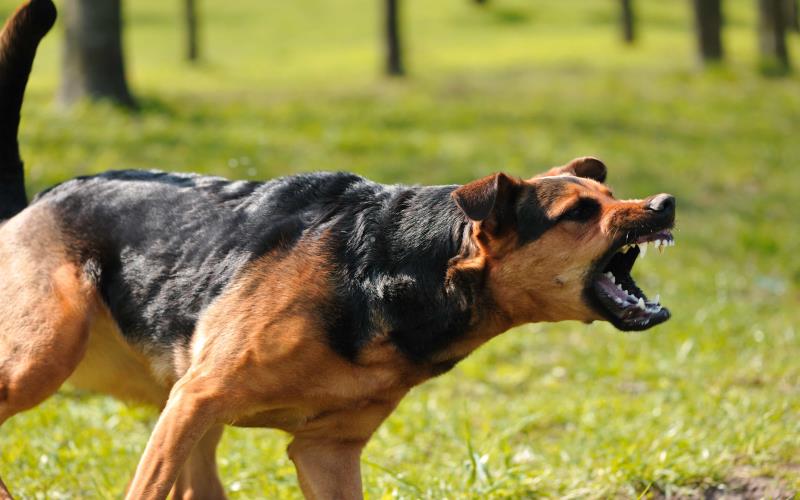
Dog attacks are frightening and often leave victims with severe physical injuries and emotional scars. While some dog owners take immediate responsibility, others deny any accountability, making recovery even more difficult. These situations force victims to shoulder the burden of medical expenses, emotional trauma, and legal disputes alone. Understanding the challenges and options available when a dog owner refuses responsibility is crucial for ensuring justice and safety.
Victims often face additional stress when owners blame them for the incident or outright deny their pet’s involvement. This denial can delay the resolution process and exacerbate the trauma of the attack. Seeking professional guidance and understanding your legal rights are essential steps in addressing these challenges. Holding negligent owners accountable helps victims recover and discourages further irresponsible behavior.
Why Dog Owners Deny Accountability
Dog owners may deny responsibility for an attack out of fear of legal or financial consequences. Concerns about lawsuits, insurance claims, or potential penalties often prompt owners to downplay the severity of the situation. Others may genuinely believe their pet acted defensively or could never cause harm, leading them to dismiss the victim’s claims.
In some cases, owners shift blame to the victim, alleging provocation or other factors that led to the incident. This denial not only increases the emotional toll on the victim but also complicates the process of seeking justice. Handling these excuses requires evidence and a clear understanding of the incident’s facts to counter misleading claims. Victims often find themselves navigating a complex web of misinformation that can further hinder their pursuit of accountability.
The Consequences of Neglectful Dog Ownership
Neglectful dog ownership poses risks to both individuals and communities. Failing to train, restrain, or supervise a dog increases the likelihood of aggressive behavior, which can lead to dangerous situations. Dogs that are not properly socialized may react unpredictably in unfamiliar or crowded environments, placing everyone around them at risk.
These incidents often have lasting effects on victims, from physical injuries requiring extensive medical care to psychological trauma that impacts daily life. Beyond the immediate harm, a lack of accountability enables the cycle of neglect to continue. Holding dog owners responsible helps create safer communities and encourages more responsible pet ownership. Greater awareness and education around pet ownership can also play a crucial role in preventing such incidents in the future.
How to Handle an Owner Who Refuses Responsibility
Dealing with a dog owner who denies responsibility can be frustrating and overwhelming. The first step is to document the incident thoroughly, including photographs of the injuries, the location, and any witnesses who can corroborate the events. Reporting the attack to local authorities ensures that the incident is officially recorded and may uncover any prior complaints about the dog.
Consulting with legal professionals is often necessary to address uncooperative owners. Experienced dog bite attorneys at the Fang Law Firm can help victims navigate the complexities of such cases, from gathering evidence to building a strong claim. Taking these steps ensures that victims have the support they need to secure justice and compensation.
Understanding Strict Liability Laws
Many states, including Colorado, enforce strict liability laws for dog bite incidents. Under these laws, a dog owner is held responsible for an attack regardless of whether they knew their pet had aggressive tendencies. This approach eliminates the need for victims to prove negligence, simplifying the process of seeking compensation.
However, strict liability laws vary by location and may include exceptions, such as provocation or trespassing. Victims should familiarize themselves with their state’s specific regulations to understand their rights fully. Legal professionals can provide clarity and ensure that claims are handled according to applicable laws.
Community Risks of Unaddressed Dog Bites
When dog attacks go unaddressed, the risks extend beyond the immediate victim. Dogs with a history of aggression may continue to pose a threat if their behavior isn’t corrected. Neighbors and visitors may feel unsafe in areas where irresponsible dog ownership is prevalent, leading to strained community relationships.
Failing to hold owners accountable also sets a dangerous precedent, signaling that such behavior is acceptable. Communities must prioritize safety by reporting incidents, advocating for responsible pet ownership, and supporting victims in seeking justice. Dealing with these issues head-on reduces the likelihood of future attacks and fosters trust among residents.
The Importance of Early Intervention
Intervening early after a dog attack is essential for preventing further harm. Reporting the incident immediately ensures that animal control or local authorities can investigate and take appropriate action. Early intervention also helps establish a clear record of events, which is invaluable when pursuing legal claims or addressing disputes with the owner.
For victims, seeking medical attention promptly is crucial to prevent complications from injuries, such as infections or nerve damage. Acting quickly also strengthens a victim’s case, as it demonstrates the seriousness of the incident and minimizes opportunities for owners to deny responsibility. Timely action benefits both individual victims and the broader community.
Educating Owners to Prevent Future Attacks
Preventing dog bites starts with educating owners about their responsibilities. Training and socializing dogs from an early age helps reduce aggressive tendencies and ensures pets can interact safely with others. Leash laws and proper containment practices also play a vital role in minimizing risks, particularly in public spaces or around strangers.
Communities can support these efforts through awareness campaigns, accessible training resources, and public forums that emphasize safety. Educating owners not only protects potential victims but also promotes a healthier environment for pets. Responsible ownership is a shared effort, requiring cooperation from individuals, organizations, and local governments.
Seeking Justice and Moving Forward
Recovering from a dog attack requires more than physical healing—it also involves emotional recovery and financial stability. Victims should not have to bear the burden of medical expenses or trauma caused by another’s negligence. Pursuing legal action provides a pathway to justice and ensures accountability for those responsible.
Working with skilled legal professionals helps victims secure the compensation they need to rebuild their lives. Beyond individual cases, holding negligent owners accountable reinforces the importance of responsible pet ownership. Together, these efforts create safer communities and a brighter future for everyone affected.


