Why Do Bed Bugs Move Between Apartments Even When Units Are Kept Clean?
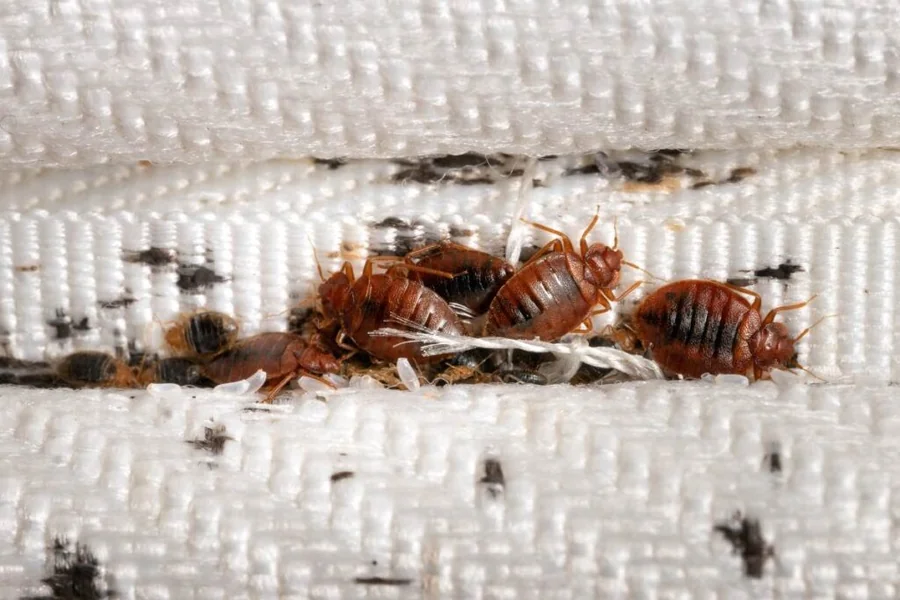
Bed bugs are notorious for their ability to infest even the cleanest of living spaces, causing frustration and discomfort for residents. Many people assume that maintaining a spotless apartment is enough to keep these pests at bay, but bed bugs are highly adaptable and resourceful creatures. Their presence is not necessarily a reflection of cleanliness, but rather a result of their unique biology and behavior. Understanding why bed bugs move between apartments, regardless of how clean each unit is, is crucial for effective prevention and control. This article delves into the reasons behind their movement and what can be done to address the issue.
Why bed bugs spread in clean buildings
How bed bugs travel between apartments
Bed bugs are small, flat insects that are adept at hiding in tiny cracks and crevices. Their size and shape allow them to move easily through the smallest of gaps, making apartment buildings particularly vulnerable to infestations that spread from unit to unit. Bed bugs do not fly or jump, but they are excellent crawlers. They can travel through electrical outlets, along plumbing pipes, and through shared walls or floors. When one apartment becomes infested, it is only a matter of time before bed bugs begin to explore neighboring units in search of new hosts. This movement is often triggered by overcrowding, changes in temperature, or disturbances such as cleaning or pest control efforts. Even if an individual apartment is kept meticulously clean, bed bugs can still find their way in from adjacent units, making it a building-wide concern rather than an isolated issue.
Cleanliness and bed bug infestations
A common misconception is that bed bugs are attracted to dirt or filth, but this is not the case. Bed bugs are drawn to warmth, carbon dioxide, and the presence of humans or animals, not to the cleanliness of an environment. They feed exclusively on blood and can thrive in both clean and cluttered spaces. In fact, a clean apartment may make it easier to spot bed bugs early, but it does not prevent them from entering. The real challenge lies in the structure of apartment buildings, where shared walls and utilities provide ample opportunities for bed bugs to migrate. For those seeking bed bug treatment Chicago, it is important to understand that cleanliness alone will not solve the problem. Coordinated efforts across multiple units and common areas are often necessary to fully eradicate an infestation and prevent its return.
The role of building structure
Apartment buildings are designed with interconnected systems that inadvertently facilitate the movement of bed bugs. Shared plumbing, heating ducts, and electrical wiring create pathways that these pests can exploit. When bed bugs sense a host nearby, they are capable of traveling significant distances within a building to reach them. This is especially problematic in older buildings, where cracks and gaps are more prevalent. Even new constructions are not immune, as modern building materials and designs can still leave small openings that bed bugs can use. The density of residents in apartment complexes increases the likelihood of bed bugs finding new hosts and establishing new infestations. This interconnectedness means that a single untreated unit can quickly lead to a widespread problem, affecting multiple apartments regardless of how clean they are kept.
How bed bugs survive and reproduce
Bed bugs are remarkably resilient insects with a strong survival instinct. They can go several months without feeding, allowing them to hide and wait for the right opportunity to find a new host. Their eggs are tiny and sticky, making them difficult to detect and remove. Once hatched, nymphs can mature quickly if a food source is available, leading to rapid population growth. Bed bugs are also known for their ability to develop resistance to common pesticides, which can make eradication efforts more challenging. Their reproductive strategy relies on dispersal, with adult bed bugs and nymphs seeking out new areas to colonize when populations become too dense or when they are disturbed. This behavior is a key reason why infestations can spread so quickly in apartment buildings, even when individual units are kept clean and tidy.
The importance of early detection
Detecting bed bugs early is critical for preventing widespread infestations in apartment buildings. Because these pests are nocturnal and adept at hiding, they often go unnoticed until their numbers have grown significantly. Early signs of bed bugs include small reddish stains on bedding, shed skins, and itchy bites on exposed skin. Regular inspections, especially after travel or the arrival of secondhand furniture, can help catch infestations before they spread. Prompt reporting to building management and coordinated inspections of neighboring units are essential steps in containing bed bugs. Early intervention can prevent the need for more extensive and disruptive treatments, reducing the impact on residents and minimizing the risk of bed bugs moving between apartments.
Coordinated building-wide response
A successful approach to bed bug control in apartment buildings requires cooperation among residents, property managers, and pest control professionals. Individual efforts, such as cleaning and decluttering, are helpful but not sufficient on their own. Building-wide inspections and treatments are often necessary to address infestations that have spread beyond a single unit. Open communication and education about bed bug behavior can help reduce stigma and encourage prompt reporting of problems. Property managers should establish clear protocols for responding to bed bug reports, including timely inspections and follow-up treatments. By working together, residents and management can create an environment that is less hospitable to bed bugs and more responsive to early signs of infestation.
Bed bugs and human behavior
Human activity plays a significant role in the spread of bed bugs within apartment buildings. Moving furniture, bringing in secondhand items, and frequent travel can all introduce bed bugs into a building. Once inside, bed bugs can hitch a ride on clothing, luggage, or personal belongings, making it easy for them to move between units. Social interactions, such as visiting neighbors or hosting guests, can also contribute to the spread. Awareness of these risks and taking precautions, such as inspecting belongings after travel or avoiding discarded furniture, can help reduce the likelihood of introducing bed bugs. However, even with careful behavior, the interconnected nature of apartment living means that some risk will always remain.
Why professional help is often necessary
Dealing with bed bugs in apartment buildings is a complex challenge that often requires professional intervention. Over-the-counter sprays and home remedies are rarely effective against established infestations, especially when bed bugs have spread to multiple units. Professional pest control services have access to advanced tools and techniques that can target bed bugs in hard-to-reach places. They can also provide guidance on preparing units for treatment and preventing re-infestation. Coordinated treatments across affected units are essential for breaking the cycle of movement and ensuring that all bed bugs are eliminated. Residents should follow all instructions provided by pest control professionals to maximize the effectiveness of treatments and reduce the risk of future problems.
Conclusion
Bed bugs are persistent pests that can move between apartments regardless of how clean each unit is kept. Their ability to travel through walls, floors, and shared utilities makes apartment buildings particularly vulnerable to widespread infestations. Cleanliness alone is not enough to prevent bed bugs, as they are attracted to people rather than dirt or clutter. Early detection, prompt reporting, and coordinated building-wide responses are essential for controlling bed bug populations and preventing their spread. By understanding the unique challenges posed by apartment living and working together, residents and property managers can reduce the impact of bed bugs and create a safer, more comfortable living environment for everyone.