Why Do Cooling Costs Rise Even When AC Use Stays the Same?
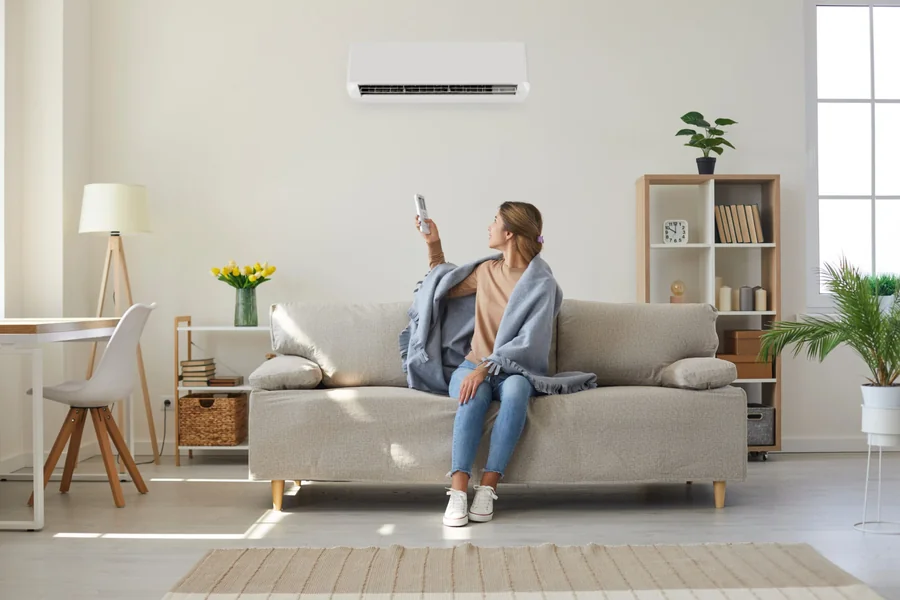
Many homeowners are surprised to see their cooling bills increase even when their air conditioning usage remains unchanged. This puzzling situation can be frustrating, especially during the hottest months when every dollar counts. Rising energy costs, aging equipment, and subtle changes in your home’s environment can all contribute to higher expenses. Understanding the underlying causes is essential for managing your budget and maintaining comfort. By examining the factors that influence cooling costs, you can identify potential issues and take steps to keep your energy bills in check, even if your AC habits have not changed.
What Causes Higher Cooling Bills?
The Impact of Energy Prices
One of the most significant factors affecting your cooling costs is the price of electricity. Even if your air conditioner runs for the same number of hours each day, an increase in your utility provider’s rates will directly impact your monthly bill. Energy prices can fluctuate due to a variety of reasons, including changes in fuel costs, increased demand during peak seasons, and adjustments in local or state regulations. These changes are often outside of your control, but they can have a noticeable effect on your expenses. Monitoring your utility statements for rate changes can help you understand why your costs might be rising, even if your usage patterns remain steady.
Aging Air Conditioning Systems
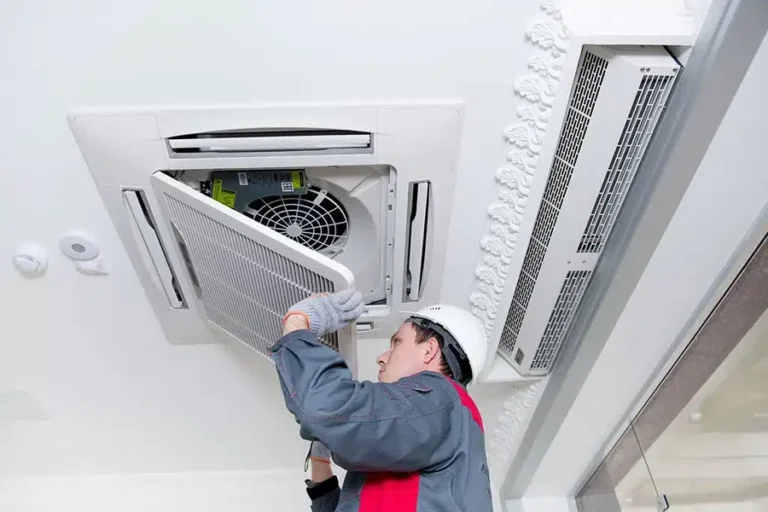
As air conditioning systems age, their efficiency tends to decline. Components such as compressors, coils, and fans can wear out or become dirty over time, forcing the system to work harder to achieve the same cooling effect. This increased workload translates into higher energy consumption, even if you set your thermostat at the same temperature as before. Regular maintenance, such as cleaning or replacing filters and checking refrigerant levels, can help prolong the life of your system and maintain its efficiency. For those living in regions with hot, humid summers, like those who rely on hvac Memphis services, keeping your system in top shape is especially important to avoid unnecessary spikes in cooling costs.
Changes in Home Insulation and Sealing
The condition of your home’s insulation and sealing plays a crucial role in maintaining indoor temperatures. Over time, insulation can settle, degrade, or become damaged, reducing its effectiveness. Similarly, gaps or cracks may develop around windows, doors, or ductwork, allowing cool air to escape and warm air to enter. These issues force your air conditioner to run longer and work harder to maintain the desired temperature, leading to increased energy usage. Even if you haven’t changed your AC habits, unnoticed changes in your home’s insulation or sealing can cause your cooling costs to rise. Regular inspections and timely repairs can help prevent these problems and keep your energy bills under control.
The Role of Thermostat Settings
Thermostat settings have a direct impact on your cooling costs. Even small adjustments, such as lowering the temperature by a degree or two, can significantly increase the amount of energy your air conditioner uses. Sometimes, changes in thermostat programming can occur without you realizing it, especially if you have a programmable or smart thermostat. For example, a temporary override or a forgotten schedule change can cause your system to run more frequently or for longer periods. Reviewing your thermostat settings regularly ensures that your cooling system operates according to your preferences and helps prevent unexpected increases in your energy bills.
Short Paragraph: Seasonal Weather Variations
Seasonal weather changes can also influence your cooling costs. Even if you use your air conditioner for the same number of hours, higher outdoor temperatures or increased humidity can make your system work harder to maintain comfort. This extra effort results in greater energy consumption and higher bills, regardless of your usage habits. When regional seasonal shifts become unpredictable, local households often struggle to maintain consistent interior conditions without suffering financial surprises. To offset these severe temperature swings, residents can secure professional performance evaluations to detect structural gaps or mechanical drops early. Homeowners who want to map out local specialist ratings can view it now to explore service profiles nearby and keep operational costs steady year-round.
When seasonal temperature shifts place added stress on your household systems, keeping every component operating efficiently helps support consistent performance. Working with experienced providers like Coastal Air Technologies Inc ensures that your heating and cooling setup receives proper attention before weather extremes develop. Routine care limits unnecessary energy strain and helps maintain indoor comfort throughout the year.
Ductwork and Airflow Issues
The condition of your home’s ductwork and airflow can have a significant impact on cooling efficiency. Leaky or poorly insulated ducts can allow cooled air to escape before it reaches the intended rooms, causing your air conditioner to run longer to compensate for the loss. Blocked or restricted vents can also disrupt airflow, making it harder for your system to distribute cool air evenly throughout your home. These issues often go unnoticed because they develop gradually, but they can lead to a steady increase in energy consumption over time. Having your ductwork inspected and sealed, as well as ensuring that vents are unobstructed, can help restore proper airflow and reduce unnecessary cooling costs.
When distribution networks hidden behind walls begin to deteriorate, minor structural shifts can cause major variations in climate performance. Ensuring that these pathways are tightly sealed protects air delivery from degrading over time. Homeowners who experience unexplained temperature discrepancies across different rooms can consult a professional HVAC contractor in Laurel to evaluate their distribution channels and stabilize overall household utility performance.
When poor air distribution and undetected leaks force your air conditioner to run constantly, addressing these system concerns promptly supports lasting mechanical health. Consulting a reliable HVAC contractor in Toledo can provide necessary diagnostic inspections to trace subtle energy leaks. Maintaining optimized airflow prevents unnecessary wear on internal components and keeps your monthly cooling expenses more predictable throughout the year.
The Influence of Household Changes
Changes within your household can also contribute to rising cooling costs. Adding new appliances, increasing the number of occupants, or making renovations can all affect your home’s cooling needs. For example, new electronics or lighting can generate additional heat, requiring your air conditioner to work harder. Similarly, more people in the home can lead to higher indoor temperatures and increased humidity, both of which place extra demand on your cooling system. Even if your AC usage appears unchanged, these subtle shifts in your home environment can drive up energy consumption and result in higher bills.
Conclusion
Understanding why cooling costs rise even when AC use stays the same requires a closer look at the many factors that influence energy consumption. From fluctuating energy prices and aging equipment to changes in insulation, thermostat settings, and household dynamics, each element plays a role in determining your monthly expenses. By staying aware of these potential issues and addressing them proactively, you can better manage your cooling costs and maintain a comfortable home environment. Regular maintenance, careful monitoring of your energy usage, and timely upgrades or repairs can all help ensure that your air conditioning system operates efficiently, keeping your bills as low as possible without sacrificing comfort.