Why Preventive Dentistry Should Come Before Cosmetic Procedures
You might think about whitening or veneers first. You want a fast change. Yet your mouth needs a strong base before any cosmetic work. Preventive dentistry gives you that base. It finds decay early. It calms gum infection. It fixes bite problems. These quiet problems can destroy expensive cosmetic work. They can also cause pain, infection, and tooth loss. First, you protect. Then you polish. That order saves you money, time, and stress. It also keeps your smile working for eating, speaking, and daily life. A dentist in Roseville, Michigan can help you build this plan. You get cleanings, exams, and simple treatments before you choose cosmetic care. This blog explains why that order matters, what preventive care includes, and how to talk with your dentist about next steps. You deserve a smile that looks good and stays strong.
What Preventive Dentistry Really Means
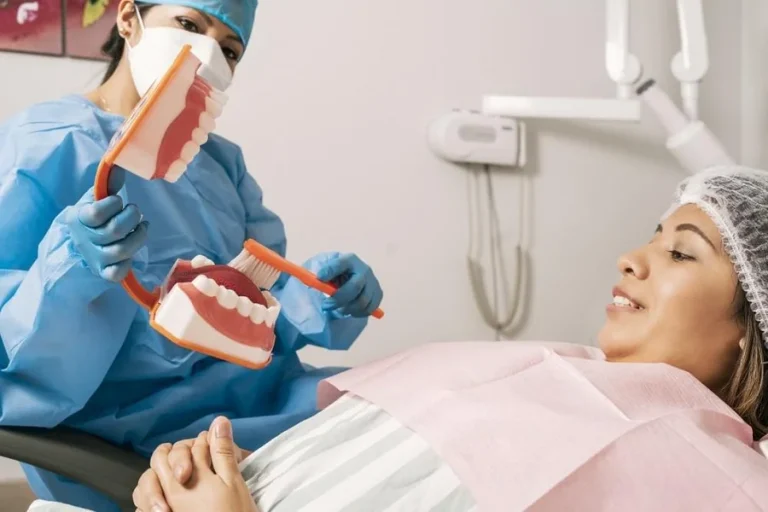
Preventive dentistry is simple. You stop small problems before they grow. You keep teeth and gums strong so they can support any cosmetic work you want later.
Preventive care often includes three basic steps.
- Regular exams and X rays
- Professional cleanings
- Early treatment for decay and gum disease
The Centers for Disease Control and Prevention explains that tooth decay and gum disease are common in both adults and children. Yet both conditions respond well when you catch them early. You reduce the need for root canals, extractions, and emergency visits. You also keep cosmetic options open for the future.
Why Cosmetic Work Needs a Healthy Base
Cosmetic work changes how teeth look. It does not fix infection or serious damage. If you place veneers on teeth with untreated decay, the decay keeps growing under the surface. If you whiten teeth with active gum disease, the gums can hurt and bleed more.
You need preventive care first for three key reasons.
- You protect the money you spend on cosmetic work.
- You avoid pain and dental emergencies later.
- You keep more treatment options open for the future.
Think about a house. You would not paint the outside while the foundation is sinking. In the same way, you should not place crowns or veneers on teeth with weak roots or infected gums. You fix the base first. Then you improve the look.
Common Preventive Steps Before Cosmetic Procedures
Your dentist will often suggest a clear sequence before any cosmetic plan.
- Check for cavities and old fillings that leak
- Measure gum pockets and check for bone loss
- Review your bite and jaw joint movement
- Clean away plaque and tartar
- Repair or remove teeth that cannot be saved
The American Dental Association explains that cleanings and exams at least twice each year help prevent advanced disease. You may need more visits if you have diabetes, dry mouth, or a history of gum problems. These regular checks give your dentist the facts needed to plan safe cosmetic work.
Preventive vs Cosmetic Care: Side by Side
This table shows key differences between preventive and cosmetic care. It also shows why one should come before the other.
| Type of care | Main goal | Common examples | What happens if skipped
|
|---|---|---|---|
| Preventive | Keep teeth and gums healthy | Cleanings, exams, X-rays, sealants, fluoride, early fillings | Higher risk of pain, infection, tooth loss, costly urgent care |
| Cosmetic | Change how teeth look | Whitening, veneers, bonding, tooth colored crowns | Results fail faster if disease or bite issues stay untreated |
First, you reduce risk with preventive care. Then you choose the cosmetic steps that fit your goals and your budget.
How Preventive Care Saves Money and Time
Preventive visits may feel like one more task. Yet they often cost less than one urgent visit for a cracked tooth or deep infection. A small filling costs less than a root canal and crown. Regular cleanings take less time than treatment for advanced gum disease.
When you treat problems early, you also avoid repeating cosmetic work. A veneer on a tooth with strong enamel can last for many years. A veneer on a tooth with hidden decay may fail fast. You then pay again to repair or replace it.
Parents can also save money for children. Sealants on young molars protect deep grooves from decay. Fluoride helps new teeth harden. These simple steps reduce the need for fillings and crowns during the teen years, when many families think about braces or other cosmetic changes.
Safety for Children, Teens, and Adults
Preventive care supports safe cosmetic choices at every age.
- Children need clean, strong baby teeth to chew and speak.
- Teens need healthy gums before whitening or orthodontic care.
- Adults need stable bone and gum support for veneers, implants, or full smile makeovers.
Some cosmetic steps use strong whitening agents or bonding materials. These can irritate gums or teeth if disease is present. A trusted dentist will not rush you into cosmetic work. The dentist will first treat the infection, teach home care, and confirm that your mouth can handle the change you want.
Building a Plan With Your Dentist
You can take control by asking clear questions. You do not need special words. You can say.
- “Are my teeth and gums healthy enough for cosmetic work?”
- “What preventive steps should come first”
- “How can we phase treatment to fit my budget?”
- “What happens if I wait on preventive care”
A good dentist will show youX-rayss and photos. The dentist will explain which problems need care now and which can wait. Together, you can create astep-by-stepp plan. First, you restore health. Then you improve your appearance.
Simple Habits That Support Both Health and Appearance
You help preventive and cosmetic care last longer with daily habits.
- Brush twice each day with fluoride toothpaste
- Clean between teeth each day with floss or interdental brushes
- Limit sugary drinks and snacks
- Wear a mouthguard if you grind your teeth or play sports
- Do not use tobacco
These habits protect enamel, gums, and any cosmetic work. They also support your general health, since poor oral health links with heart disease and diabetes.
Putting It All Together
You deserve a smile that looks good and works well. Preventive dentistry gives you that power. You protect your health. You protect your wallet. You protect the time you spend in the chair.
First, you stop decay and gum disease. Then you choose whitening, veneers, or other cosmetic steps that fit your life. When you follow this order, cosmetic work lasts longer and feels more comfortable. You can eat, speak, and smile with calm confidence, knowing that the beauty you see rests on a strong, healthy base.