Wooden vs. Traditional Bathtubs: Which One is Right for You?
Introduction
Choosing the perfect bathtub is a crucial decision when designing or renovating a bathroom. With the rise of wooden bathtubs, homeowners are now exploring alternatives to traditional acrylic, porcelain, and stone tubs. But which option is the best for you? In this guide, we’ll compare wooden bathtubs vs. traditional bathtubs in terms of aesthetics, durability, maintenance, comfort, and cost to help you make an informed choice.
Aesthetic Appeal: Natural Beauty vs. Classic Elegance
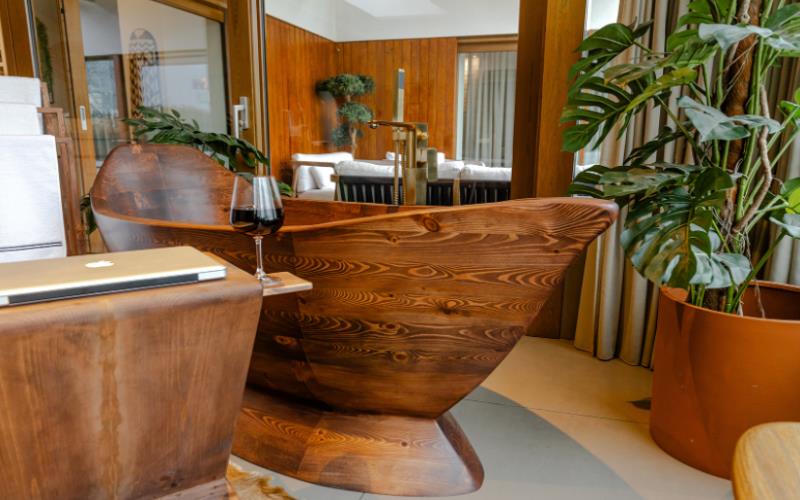
- Wooden Bathtubs: These tubs offer a warm, organic aesthetic that enhances any bathroom’s ambiance. Their natural grain and handcrafted uniqueness create a luxury spa-like feel, making them ideal for modern and rustic designs alike.
- Traditional Bathtubs: Available in a variety of materials like acrylic, porcelain, and cast iron, traditional tubs provide a sleek, classic look. They come in a broader range of styles, from clawfoot to built-in, to suit different bathroom aesthetics.
Durability and Longevity
- Wooden Bathtubs: Made from high-quality, moisture-resistant woods like teak, walnut, and cedar, these bathtubs are incredibly durable when properly maintained. They are coated with environmentally friendly lacquers and Nano Ceramic coatings, ensuring long-term waterproofing and resistance to damage.
- Traditional Bathtubs: Acrylic and fiberglass tubs are lighter but prone to scratching, while porcelain and cast-iron tubs are extremely durable but heavy. Over time, traditional tubs may experience chipping, fading, or staining.
Maintenance Requirements
- Wooden Bathtubs: Require minimal maintenance thanks to their lacquer and Nano ceramic coating. Owners only need to reapply the Nano ceramic coating every 3-5 years and monitor for any dings or cracks that might allow water infiltration.
- Traditional Bathtubs: Easier to clean with standard bathroom cleaners, but prone to stains, scratches, and limescale buildup, especially in hard water areas.
Comfort and Heat Retention
- Wooden Bathtubs: Naturally retain heat longer, making for warmer and more relaxing soaks. The smooth, insulated wood surface also eliminates the discomfort of a cold tub against the skin.
- Traditional Bathtubs: Metal and porcelain tubs tend to cool down quickly, while acrylic bathtubs can retain heat longer but do not provide the same organic warmth as wood.
Cost Comparison
- Wooden Bathtubs: Typically, more expensive due to their handcrafted nature, custom designs, and high-quality materials.
- Traditional Bathtubs: More budget-friendly options are available in acrylic and fiberglass, while high-end cast iron and stone tubs can be as costly as wooden tubs.
Which One is Right for You?
✅ Choose a wooden bathtub if you want a luxurious, spa-like experience with natural beauty, heat retention, and sustainability.
✅ Opt for a traditional bathtub if you prefer a lower-maintenance, budget-friendly, and versatile option available in a wide range of styles.
Conclusion
Both wooden and traditional bathtubs have their unique advantages, making the decision a matter of personal preference, budget, and bathroom design goals. Whether you prioritize aesthetic charm, comfort, or practicality, your bathtub choice should reflect your lifestyle and home vision.
Explore handcrafted wooden bathtubs at www.dreamstuff.co.uk and find the perfect fit for your dream bathroom!