
5 Reasons Routine Vet Visits Are A Must For Every Pet
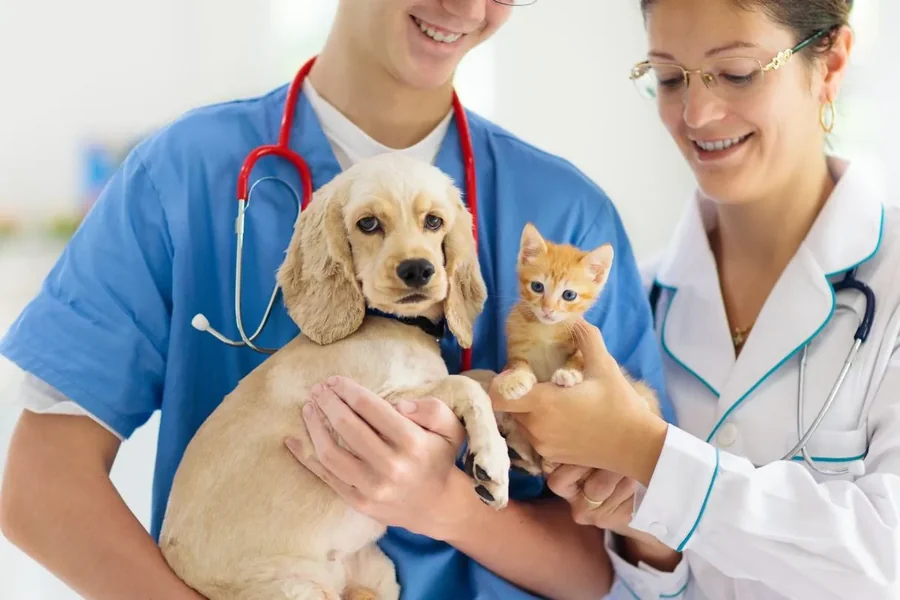
Your pet depends on you for everything. Food. Safety. Comfort. Health. Routine vet visits protect all of that. You may wait until your pet seems sick. By then, the problem can be harder to treat and more expensive. Regular checkups catch quiet problems early, when care is simpler and kinder. They also keep vaccines current, teeth clean, and weight on track. Each visit gives you clear answers about behavior changes, new lumps, or stiff joints. It also builds a record of your pet’s normal health, which helps when something goes wrong. If you see a veterinarian in North Augusta, SC, or anywhere else, routine visits give you peace of mind. They show your pet matters every day, not only in a crisis. This blog shares five clear reasons these visits are a must for every pet and how they protect the bond you share.
1. Early detection saves comfort, time, and money
Many serious problems start small and quiet. Heart disease, kidney disease, diabetes, arthritis, and some cancers can grow inside your pet long before you see clear signs.
During a routine visit, the vet listens, looks, and feels for these early changes. Blood tests, urine tests, and simple checks can reveal trouble before it steals your pet’s comfort.
When you catch a problem early, you usually:
- Give your pet less painful treatment
- Use fewer medicines
- Spend less over time
The American Veterinary Medical Association explains that routine care and early detection improve both length and quality of life for pets.
2. Vaccines and parasite control guard your whole home
Routine visits keep core vaccines on schedule. These protect your pet from rabies, parvo, distemper, and other deadly diseases. They protect you and your family too, since some diseases pass from animals to people.
Vets also screen for and prevent parasites that bite, burrow, or spread in the home. This includes fleas, ticks, heartworms, and intestinal worms.
The Centers for Disease Control and Prevention warns that many parasites and infections can pass from pets to people. You can learn more here: https://www.cdc.gov/healthypets.
Here is a simple comparison of common problems that routine care can prevent or reduce.
| Health issue | With routine vet visits | Without routine vet visits
|
|---|---|---|
| Rabies and core diseases | Vaccines stay current. Risk stays low. | Higher risk of deadly illness. Risk to people. |
| Heartworms | Monthly prevention and tests. Disease often prevented. | Infection may go unseen until heart and lungs suffer. |
| Fleas and ticks | Year round control. Fewer bites and skin problems. | Infestations on pet and in home. Possible infection spread. |
| Intestinal worms | Regular checks and deworming. Lower spread to people. | Hidden in stool and soil. Higher risk for children. |
| Dental disease | Early cleaning and advice. Less pain and tooth loss. | Advanced rot, bad breath, and costly tooth removal. |
3. Dental care protects more than a smile
Many pets live with mouth pain in silence. You may think bad breath is normal. It is not. It is often a sign of infection along the gums and roots of the teeth.
Routine vet visits include mouth checks. The vet looks for red gums, loose teeth, sores, and build up. When needed, the vet may suggest a full cleaning under anesthesia. This removes deep plaque that brushing at home cannot reach.
Healthy teeth and gums help your pet:
- Eat without pain
- Keep a healthy weight
- Avoid infection that can reach the heart, liver, or kidneys
You can support this care by brushing your pet’s teeth, using vet approved chews, and following the schedule your vet sets.
4. Weight, food, and behavior checks keep daily life steady
Weight gain or loss can be the first sign of trouble. Routine visits track your pet’s weight over time. Even small changes that you do not notice at home can show up on the clinic scale.
The vet also asks about food, water, and bathroom habits. Together you can adjust daily food, treats, and activity to match your pet’s age and health. This reduces the risk of diabetes, joint strain, and breathing trouble.
Behavior changes matter too. Sudden hiding, snapping, or restlessness often comes from pain or stress. A routine visit is a safe place to talk through these changes. The vet can check for pain, vision or hearing loss, or other causes. Then you can plan simple steps to help your pet feel safe again.
5. A trusted relationship for the hard days
When you visit the same clinic on a regular schedule, your pet builds trust with that team. The staff learns your pet’s normal body, normal mood, and normal fears. Your pet learns the faces, the scents, and the routine of the visit.
This trust helps during sudden illness or injury. In a crisis, the vet already knows your pet’s history. You do not lose time searching through old records. You also feel safer asking hard questions about tests, treatments, or costs.
This ongoing bond supports you through aging and end of life decisions as well. You do not face those days with a stranger. You face them with a care team that has walked beside you for years.
How often should your pet see the vet
In general, you can use three simple rules.
- Puppies and kittens. Every 3 to 4 weeks until core vaccines are done.
- Healthy adults. At least once a year for a full exam and tests.
- Seniors or pets with chronic disease. Often every 6 months or as your vet advises.
Your vet may suggest a different schedule based on breed, lifestyle, and any past problems. You can ask for a clear written plan at your next visit.
Take the next simple step
You do not need to wait for a crisis. You can call your trusted clinic and schedule a checkup. You can bring notes about any changes you see at home. You can ask every question on your mind.
Routine vet visits are not a luxury. They are a steady promise to your pet. You protect comfort. You protect time. You protect the bond that makes your pet part of your family.


