5 Ways Animal Hospitals Help Pets With Chronic Illnesses
When your pet has a chronic illness, every day can feel heavy. You watch for small changes. You worry about the next flare-up. Animal hospitals stand beside you in that strain. They do more than treat emergencies. They build long plans that protect your pet’s comfort, energy, and dignity. In this blog, you will see 5 ways animal hospitals support pets who live with long-term disease. You will see how steady monitoring, clear treatment plans, and fast action during setbacks can ease your burden. You will also see how an urgent care veterinarian in Columbia, MD can step in when symptoms suddenly worsen, and your regular clinic cannot see you. Chronic illness does not have to mean constant chaos. With the right hospital team, you gain structure, early warning signs, and real relief for your pet’s daily life.
1. Regular checkups that catch small changes early
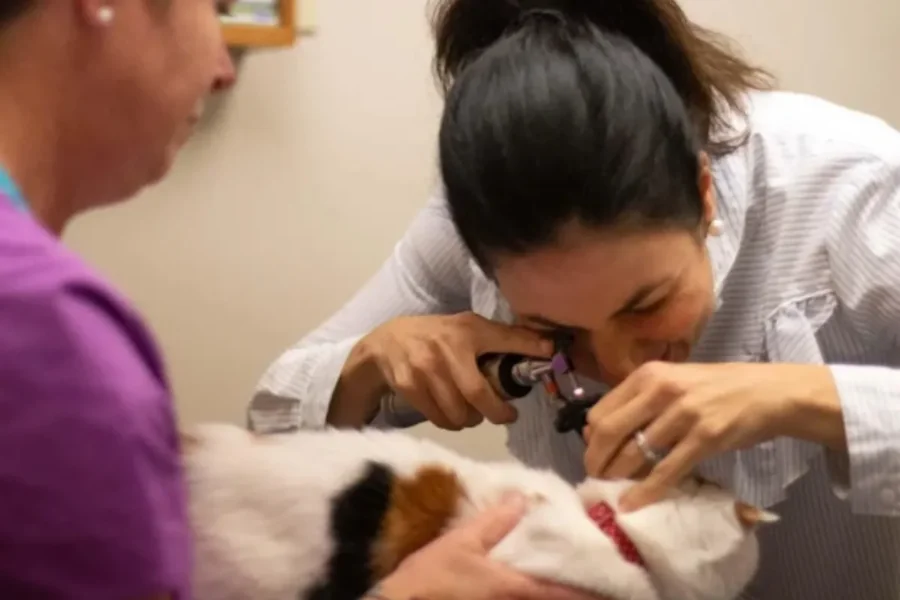
Chronic illness can shift fast. You might see only a small limp or mild cough. An animal hospital uses regular exams to catch changes before they turn into a crisis.
During checkups, the team may:
- Listen to the heart and lungs
- Check joints, eyes, mouth, and skin
- Review eating, drinking, and bathroom habits
- Ask about mood, sleep, and play
These visits give you time to speak up about new signs. You and the care team can then adjust medicine or diet before pain or organ damage grows. Early action can lower hospital stays and long suffering.
You can see how common chronic disease is in pets from data shared by researchers on the National Institutes of Health site. Many pets live many years with kidney disease, diabetes, or arthritis when cared for with steady monitoring.
2. Tailored treatment plans for long-term illness
Every pet and every illness is different. A one-size plan does not work. Animal hospitals build a treatment plan that matches your pet’s age, weight, disease, and home life.
A plan often includes:
- Daily medicines with clear doses and times
- Diet changes that protect organs and control weight
- Safe movement routines to keep muscles strong
- Home steps for flare-ups and warning signs
The team explains why each step matters. You leave with clear written instructions. You know what to do on calm days and on hard days. That structure eases fear and cuts guesswork.
Many hospitals also help you learn how to give shots, eye drops, or fluids at home. That support keeps your pet stable without constant travel.
3. Diagnostic tools that show what you cannot see
Chronic illness often hides inside the body. You might not see kidney damage or early heart strain. Animal hospitals use tests that reveal what is happening inside your pet.
Common tools include:
- Blood and urine tests that track organ function
- Ultrasound that shows soft organs in real time
- Blood pressure checks and heart rhythm tests
These tests guide the care plan. They help the team see if a medicine works or if a dose needs to be changed. They also help rule out other causes of pain or weight loss.
The U.S. Food and Drug Administration’s Center for Veterinary Medicine explains how approved pet medicines depend on data from such tests. When your hospital uses these tools, your pet’s treatment lines up with proven science.
4. Pain control and comfort care that protect quality of life
Chronic illness often brings constant pain or nausea. That can steal sleep, play, and trust. Animal hospitals treat pain as a core part of care.
They may use:
- Pain medicines that match the disease and your pet’s organs
- Anti nausea drugs for pets are strong medicines
- Joint support for arthritis, such as weight control and gentle movement
- Soothing skin and ear care for allergies
The team also guides you on home comfort. That may include soft bedding, low steps, raised food bowls, or litter box changes. Simple changes can cut strain on sore joints or weak hearts.
When you see your pet rest, eat, and move with less fear, your own stress eases. You feel less alone. You see that comfort is still possible, even with a long-term illness.
5. Emergency and urgent support when things suddenly change
Chronic illness can turn without warning. A stable diabetic pet can crash. A heart patient can start to breathe hard. In those moments, fast care can protect life.
An animal hospital gives you:
- Emergency rooms for life threatening events
- Urgent care for sudden but less severe changes
- Access to oxygen, IV fluids, and quick lab tests
- Overnight care when your pet needs close watch
When you already have a hospital that knows your pet, you waste no time explaining history. The team can act at once. An urgent care veterinarian in Columbia, MD, can bridge the gap when your regular clinic is closed or booked.
How animal hospitals and regular clinics work together
Your regular clinic and an animal hospital often share the load. They can share test results and notes. That teamwork keeps care steady and clear.
Typical roles for clinics and animal hospitals in chronic pet care
| Type of care | Primary clinic | Animal hospital
|
|---|---|---|
| Routine checkups | Yearly or twice yearly exams | Extra exams for complex disease |
| Chronic disease tests | Basic blood and urine tests | Advanced imaging and specialty tests |
| Treatment planning | Daily care and refills | Specialist input on complex plans |
| Pain and comfort care | Ongoing medicine management | Adjustments for hard to control pain |
| Emergency or urgent care | Limited same day visits | Emergency and urgent care with full support |
Taking the next step for your pet
If your pet lives with a chronic illness, you do not have to manage it alone. You can build a team that includes your regular clinic and an animal hospital. You gain early warning, clear plans, and fast help during sudden change.
Start by asking your current veterinarian which animal hospital they trust. Then keep contact numbers and records ready at home. When the hard days come, you will already have a path. That preparation protects your pet’s comfort and your own peace of mind.