Why Animal Hospitals Are Expanding Community Outreach Efforts
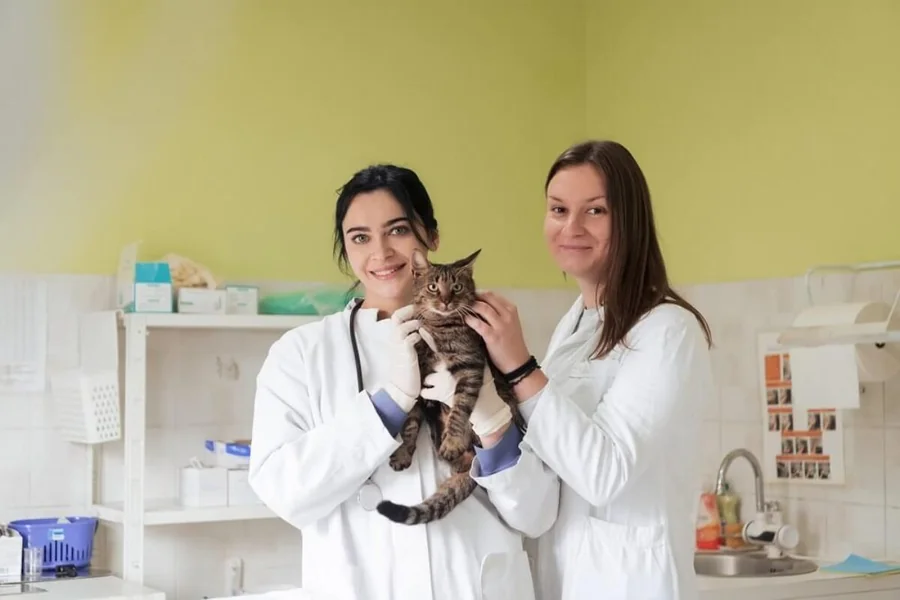
Animal hospitals are changing how they support you and your neighbors. You might notice more low cost vaccine clinics, school talks, and social media posts about pet care. This is not a trend. It is a direct response to real pressure. Care costs are rising. Shelter intake is climbing. Many families feel shut out of help for their pets. So your local clinic and even your veterinarian in Emeryville, Lakeshore, ON are stepping outside their walls. They are meeting people in parking lots, community centers, and online spaces. They are sharing clear advice before a small problem turns into a crisis. They are building trust with pet owners who feel judged or ignored. This shift in outreach is about prevention, fairness, and shared duty to animals who cannot speak for themselves.
Why outreach is growing right now
Community outreach is growing for three clear reasons. Care is costly. Disease risk is rising. Trust in institutions feels weak.
First, many families live paycheck to paycheck. A surprise injury or infection can break a budget. Outreach events give low cost vaccines, basic exams, and clear next steps. You still pay for full treatment. Yet you at least catch problems early.
Second, public health experts watch pet disease patterns with concern. Rabies, tick diseases, and flu in dogs and cats can spread fast. The Centers for Disease Control and Prevention stresses regular vaccines and parasite control for pets. When animal hospitals host vaccine days and share simple tips, they protect both your home and your community.
Third, some people feel judged in clinics. They fear scolding about money or past choices. Outreach in neutral spaces feels safer. You can ask questions. You can say you are unsure. You can hear options without pressure.
How animal hospitals reach you outside the clinic
Outreach is not one thing. It is many small efforts that add up. You might see:
- Pop up vaccine or microchip clinics in parking lots or parks
- Talks at schools about safe behavior around dogs and cats
- Q and A posts on social media about common pet problems
- Partnerships with shelters to support new adopters
- Phone help lines or virtual visits for simple questions
Each step has one goal. Bring clear, honest help closer to where you live.
Prevention helps you and your pet
Outreach focuses on prevention. That means stopping illness or injury before it grows. You may feel tempted to wait and hope your pet gets better. Many people do. Outreach tries to break that pattern.
Routine vaccines, heartworm tests, flea and tick control, and dental checks cost less than emergency care. The United States Department of Agriculture notes that disease in animals often starts quiet and then spreads fast. You can see this in outbreaks of rabies or flu in pets and wildlife. When animal hospitals share prevention tips at events, they cut that risk for your home and your neighborhood.
Here is a simple comparison.
| Type of care | Typical timing | Example services | Impact on your costs
|
|---|---|---|---|
| Preventive outreach care | Before your pet seems sick | Vaccines, parasite checks, behavior tips | Spreads costs over time. Lowers risk of big bills. |
| Emergency only care | After a crisis or severe symptoms | Hospital stay, surgery, intensive treatment | High sudden bills. Fewer options. More stress. |
You do not control every illness or accident. You do control how soon you ask for help. Outreach makes that first step easier.
Partnerships with shelters and public health
Animal hospitals do not work alone. They now partner more with shelters, humane groups, and public health teams. This shared work helps pets and people at the same time.
For example, many shelters now host vaccine and spay or neuter events with local clinics. These events lower unwanted litters. They also cut disease spread in crowded shelters. The American Veterinary Medical Association reports that households with lower income often face more barriers to care. Outreach events help close that gap.
Public health agencies watch rabies and other diseases that move between wildlife, pets, and people. When animal hospitals share bite prevention tips at schools or fairs, they support this work. You see fewer bites. You see fewer emergency room visits. You see fewer pets lost to preventable disease.
Building trust with every conversation
Outreach is also about trust. Many people carry old hurt from past visits. Maybe a bill felt shocking. Maybe a staff member sounded cold. That memory lingers.
When you meet the same staff at a school event or a park, the tone can shift. You see the person, not just the clinic. You can say what you fear. You can share what you can afford. You can hear what truly matters for your pet right now.
This kind of honest talk can lead to simple, clear plans. You might leave with three steps.
- Schedule one key vaccine soon.
- Change one feeding habit at home.
- Plan a checkup date and budget for it.
That is outreach at work. One calm talk. One small change. One safer pet.
How you can use these outreach efforts
You do not need to wait for a crisis to get involved. You can use outreach in three quick ways.
- Watch your clinic website and social media for event dates.
- Ask your child’s school if they host pet safety talks.
- Bring one question to every outreach event you attend.
You can also share what you learn. Tell neighbors about low cost events. Help older relatives sign up. Offer a ride to someone without a car. Each shared ride or reminder protects more pets.
Why this shift matters for your family
Animal hospitals expand outreach because it works. It protects your wallet. It protects your pet. It protects your community. You see fewer panicked nights. You see fewer hard choices between money and care.
You also gain something less obvious. You gain a steady place to ask for help. Not only when things are broken. Also when you want to keep them steady.
That is the heart of this change. Outreach turns the clinic from a place of crisis into a partner in your daily life with animals. You do not walk that path alone. You walk it with people who see your pet as family and treat you with respect.