Top 6 Causes of Intersection Car Accidents and How to Avoid Them
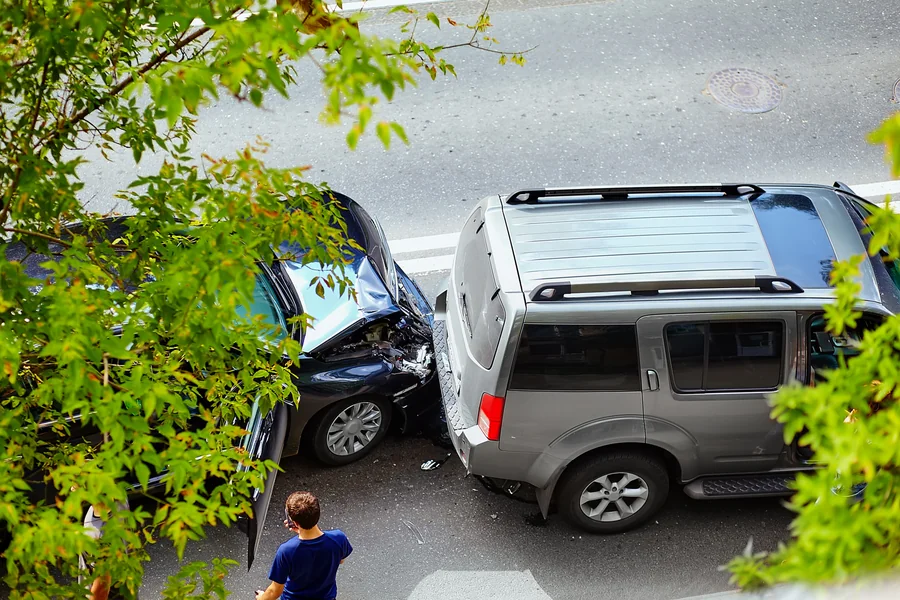
Intersections are some of the busiest and most unpredictable areas on the road. With vehicles coming from multiple directions, pedestrians crossing, and drivers making quick decisions, it is no surprise that many collisions occur at these points.
These incidents are often severe, leaving victims with costly injuries and property damage. Many people are unaware of the common causes of intersection car crashes, which makes prevention more challenging. Understanding why these accidents happen can help drivers stay alert and adopt safer habits behind the wheel.
- Distracted Driving
One of the leading causes of intersection accidents is distracted driving. When a driver looks at a phone, adjusts the GPS, or talks to passengers, their attention shifts away from the road.
Even a few seconds of distraction can cause a driver to miss a stop sign or fail to see an oncoming vehicle. To avoid this, drivers should keep their focus on the road, put away their devices, and remain fully aware of their surroundings.
- Running Red Lights or Stop Signs
Drivers who speed through red lights or roll through stop signs put everyone at risk. These violations often lead to dangerous T-bone collisions, which can cause severe injuries.
To prevent these crashes, drivers should always come to a complete stop and wait for a clear signal before entering the intersection. Slowing down as they approach traffic lights also reduces the likelihood of last-minute risky decisions.
- Failing to Yield the Right of Way
Intersections often require drivers to yield, but confusion or impatience can cause some to proceed when they should not. Failing to yield to other drivers, pedestrians, or cyclists is a major cause of collisions. The best approach is to understand right-of-way rules clearly and practice patience. If there is any doubt, it is safer to wait rather than move forward and risk a crash.
- Left-Turn Errors
Left turns can be tricky, especially when visibility is limited or traffic is moving quickly. Many accidents occur when drivers misjudge the speed of oncoming vehicles or attempt to turn without enough space. To avoid these collisions, drivers should take their time, ensure they have a wide enough gap to turn, and avoid turning under pressure from other impatient drivers.
- Speeding
Speeding reduces reaction time and increases the force of impact in a collision. At intersections, speeding drivers may not be able to stop in time for traffic signals or pedestrians. Maintaining a safe speed, especially in busy or unfamiliar areas, is one of the simplest yet most effective ways to prevent intersection accidents.
- Weather-Related Issues
Rain, fog, snow, and ice can make intersections more hazardous by reducing visibility and traction. Drivers may struggle to see traffic lights, road markings, or other vehicles. To stay safe, drivers should slow down, increase following distance, and use headlights whenever weather conditions impair visibility.
Key Takeaways
- Intersection accidents are often severe because of the number of vehicles and pedestrians present.
- Understanding the common causes of intersection car crashes helps drivers make safer choices.
- Staying alert, following traffic rules, and adjusting driving habits based on conditions can significantly reduce the risk of a collision.
- Safe driving is not just about protecting yourself but also about keeping the road safer for everyone.