What To Expect From A Child’s Dental Cleaning At A Family Practice
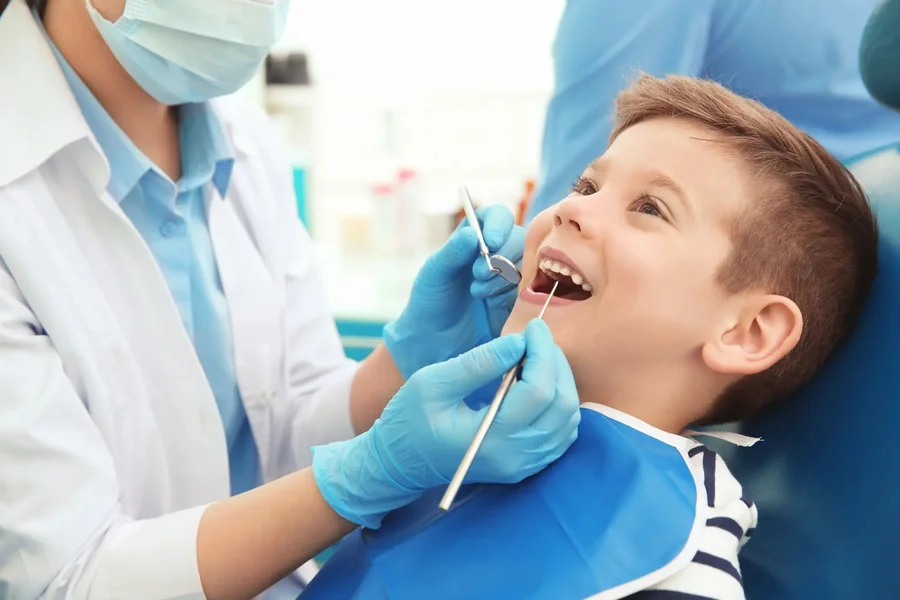
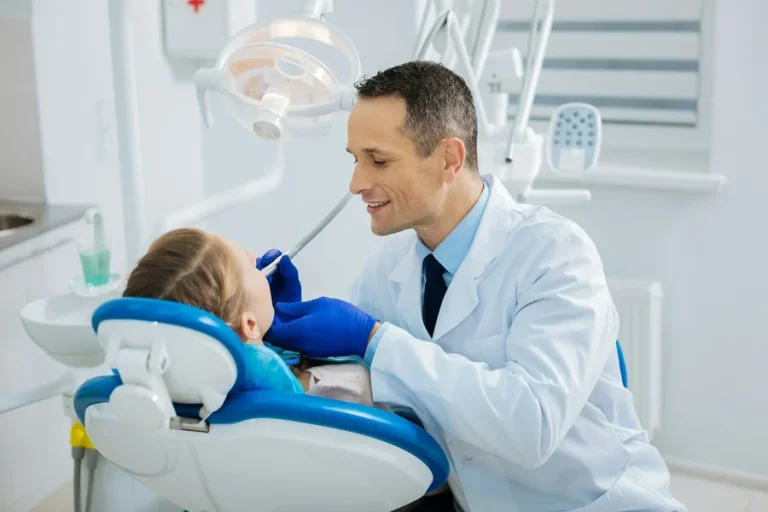
Your child’s first cleaning can stir up worry. You want to protect their teeth. You also want to protect their trust. A family practice understands both. During a child’s dental cleaning, the team focuses on comfort, clear steps, and gentle care. You stay involved. Your child stays in control. The visit usually includes a check of teeth and gums, careful cleaning, and simple tips your child can follow at home. An Orland Park dentist will use small tools and plain language, so your child knows what is happening and why. There are no surprises. The goal is to prevent pain, catch problems early, and build strong habits. You walk out knowing what was done. Your child walks out feeling safe and proud.
How To Prepare Your Child Before The Visit
You set the tone before you ever reach the office. Your words and your mood shape how your child feels in that chair.
- Use simple words. Say “tooth cleaner” and “pictures of your teeth.” Avoid words like “hurt” or “shot.”
- Explain three steps. First a check. Then a clean. Then a talk about how to care for teeth.
- Answer questions with truth. Keep your answers short.
You can read a short story about dentist visits. You can also watch a short video from a trusted source together. The American Dental Association mouthhealthy page for children offers simple tips you can share with your child.
What Happens When You Arrive
The visit starts before your child sits in the chair. The front desk team greets you and checks your forms. You may share health history, medicines, and allergies. You also share any fears your child has. This helps the team plan.
Next your child meets the dental assistant or hygienist. They often show the chair and tools first. They might let your child touch the mirror or water sprayer. This helps your child feel safe.
You choose whether to sit beside the chair or nearby. Many children feel calmer when they see you in the room.
The Checkup Part Of The Visit
The dentist or hygienist starts with a simple check. This part is quick. It looks for three things.
- Tooth growth and spacing
- Early signs of cavities
- Gum health and signs of swelling or bleeding
For older children, the team might take X ray pictures. These pictures show the parts of teeth you cannot see. They help find small cavities between teeth. The radiation from dental X rays is low. The team uses a lead apron to protect your child. You can read more about dental X ray safety at the U.S. Food and Drug Administration dental radiography page.
The Cleaning Step By Step
The cleaning itself is gentle. The team explains each step first so your child is not surprised.
- Plaque check. The hygienist looks for soft film on the teeth. This film holds germs that cause cavities.
- Scaling. They use a small tool to remove tartar from the front and back of each tooth.
- Polishing. They use a spinning brush with flavored paste to smooth the teeth.
- Flossing. They floss between each tooth to remove any leftover paste or film.
Many children like to choose the flavor of the paste. Some offices let your child pick the color of the toothbrush or floss holder. Small choices help your child feel brave.
Fluoride And Other Preventive Treatments
After cleaning, the dentist might suggest fluoride. Fluoride helps harden the tooth surface and lower cavity risk. It can come as a foam, gel, or paint on varnish. It takes only a few minutes.
For children with deep grooves on their back teeth, the dentist might suggest sealants. Sealants are thin coatings that cover those grooves. They block food and germs from getting stuck.
Common Preventive Treatments For Children
| Treatment | What It Does | How Long It Takes | How Often
|
|---|---|---|---|
| Fluoride varnish | Strengthens tooth enamel and helps stop early decay | About 2 to 4 minutes | Every 3 to 6 months, based on risk |
| Dental sealants | Covers chewing surfaces to block food and germs | About 10 minutes per tooth | Lasts several years, checked at each visit |
| Professional cleaning | Removes plaque and tartar that brushing misses | About 20 to 40 minutes | Every 6 months, or as advised |
Talking About Habits At Home
At the end of the visit, the dentist reviews what they saw. You hear about three key habits.
- Brushing twice a day with fluoride toothpaste
- Flossing once a day when teeth touch
- Limiting sugary drinks and snacks
The team may show brushing on a model or on your child’s teeth. They might count to ten on each side. This gives your child a clear picture. You can ask about thumb sucking, pacifiers, mouth breathing, or grinding. No question is too small.
How Often Children Need Cleanings
Most children need a cleaning and checkup every six months. Some children with many cavities or special health needs may need visits every three months.
Regular visits help in three ways.
- Problems get caught early while they are small.
- Your child stays used to the office and feels less fear.
- You get steady support as your child grows.
What You And Your Child Can Expect After The Visit
After a routine cleaning, your child can return to school and normal play. Teeth may feel smooth. Gums may feel tender if there was extra tartar. This fades fast.
If your child had fluoride, the office may ask you to wait a short time before eating. They may ask you to skip hard or sticky food that day.
You leave with three things.
- A clear plan for the next visit
- Advice tailored to your child’s teeth and habits
- A child who learns that care can feel safe and calm
Each cleaning builds trust. With steady visits and simple habits at home, you give your child strong teeth and a sense of strength that can last a lifetime.