How Animal Hospitals Support Preventive Dental Programs
Healthy teeth keep your pet eating, playing, and resting without pain. Yet many people wait until a crisis before they walk through the clinic door. This delay costs money. It also shortens a pet’s comfort and joy. Animal hospitals stand between your pet and that slow, hidden damage. They do more than fix broken teeth. They build preventive dental programs that stop trouble early. Routine exams, cleanings, and honest talks about home care protect your pet’s mouth and heart. A veterinarian in Cary, NC can spot early gum disease, worn teeth, or infection long before you see blood or smell odor. That early action keeps your pet out of emergency rooms. It also keeps you from choosing between large bills and hard decisions. When you understand how animal hospitals structure preventive dental care, you can protect your pet with steady, simple steps.
Why your pet’s mouth matters more than you think
Gum disease starts quiet. You may only notice mild odor or slight yellow on the teeth. Inside the mouth, bacteria push under the gum line. Teeth loosen. Infection spreads through the blood to the heart, liver, and kidneys. The American Veterinary Medical Association explains that most dogs and cats show some dental disease by age three.
You cannot see all this with a quick look at home. You also cannot clean under the gums without help. This is where the animal hospital steps in. Staff use training, tools, and a set schedule. That structure keeps small problems from turning into suffering and loss.
Core parts of a preventive dental program
Every strong preventive program rests on three parts. You see all three at a good animal hospital.
- Regular mouth checks during wellness visits
- Professional cleanings with anesthesia when needed
- Clear coaching on home care you can keep up
Each part supports the others. When you skip one, the rest lose power.
Role of regular wellness visits
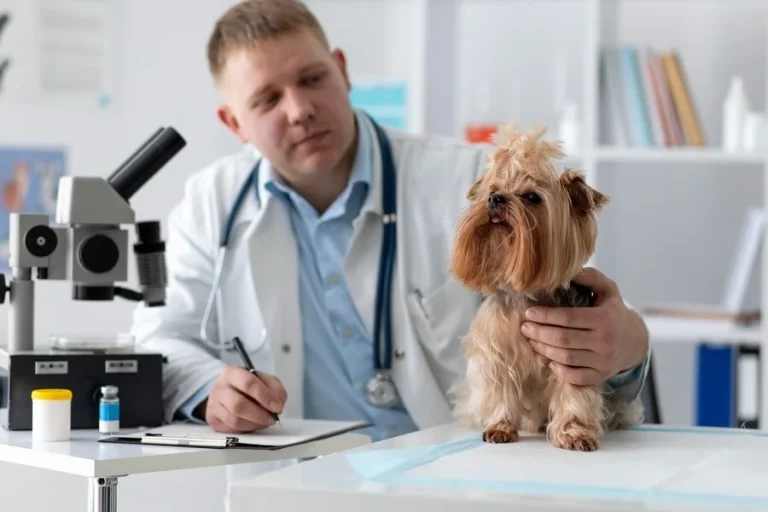
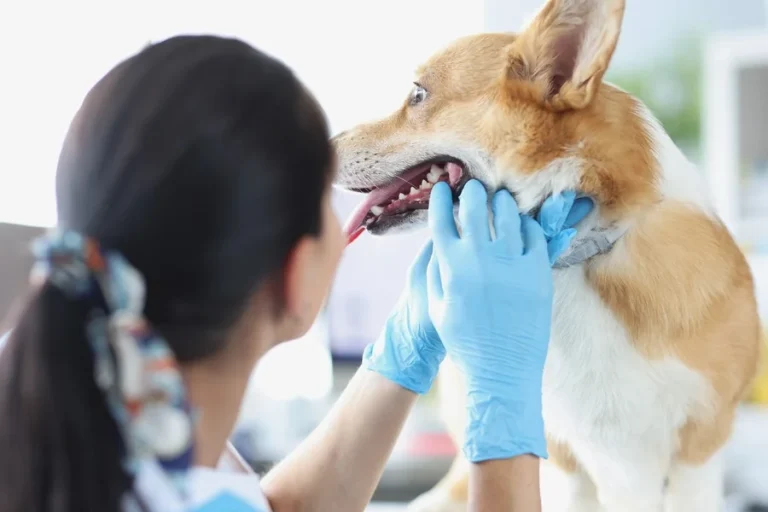
During a yearly or twice yearly exam, the team checks your pet from nose to tail. The mouth exam is a key step. Staff look for:
- Red or swollen gums
- Loose or broken teeth
- Masses on the gums, tongue, or lips
- Pain when the jaw moves
The veterinarian may suggest dental X rays. These show roots and bone that you cannot see. The Oregon State University Veterinary Teaching Hospital notes that X rays often reveal disease in teeth that look normal from the outside.
When you keep these visits on schedule, the hospital can track slow changes. Staff can time cleanings and other steps before your pet hurts.
Professional cleanings under anesthesia
Once disease passes a mild stage, brushing at home is not enough. Your pet needs a full cleaning under anesthesia. Animal hospitals follow strict safety steps. Staff check blood work, heart function, and breathing. Then they keep your pet warm and watched during the whole procedure.
During a cleaning, the team:
- Removes tartar above and below the gum line
- Uses X rays to check roots and bone
- Polishes tooth surfaces so plaque sticks less
- Extracts teeth that cannot heal
This sounds intense. Yet it gives your pet a fresh start. After healing, home care works better. Routine care is more effective after treatment.
Home care support from the animal hospital
Good programs do not stop when you leave the building. Staff teach you how to care for your pet’s mouth at home. They keep it simple. They respect your time and your pet’s habits.
Common tools include:
- Tooth brushing with pet safe paste
- Dental chews that carry a seal from the Veterinary Oral Health Council
- Special diets that reduce plaque build up
- Rinses or gels for pets that resist brushing
The team can help you pick what fits your life. They can show you how to start slow so your pet accepts the routine. Small steps each day prevent large trauma later.
Cost and health comparison
Preventive care costs money. Emergency care costs far more. It also carries fear and grief. The table below shows a general comparison. Actual costs vary by region. The pattern stays the same.
| Type of care | Typical timing | Estimated cost range | Health impact
|
|---|---|---|---|
| Wellness exam with oral check | Once or twice each year | Low | Finds early disease before pain starts |
| Planned dental cleaning | Every 1 to 3 years | Moderate | Removes infection and saves many teeth |
| Daily home brushing and chews | Ongoing | Low | Slows tartar and gum damage |
| Emergency visit for abscess or fracture | Unplanned | High | Often needs extraction and strong medicine |
| Hospital stay for organ damage from chronic infection | Late stage disease | Very high | Shortens life and lowers comfort |
This comparison shows a hard truth. You either pay in steady, smaller steps or you pay in shocks. Preventive programs at animal hospitals help you choose the steady path.
How animal hospitals track and adjust care
Strong preventive dental programs do not stay fixed. The team adjusts them as your pet ages. Kittens and puppies need gentle handling so they accept mouth touch. Adult pets need tartar control and checks for early gum disease. Senior pets need closer watching for masses, loose teeth, and pain when they chew.
Animal hospitals keep records of each mouth exam and cleaning. They store X rays and photos. They use these records to spot patterns. That history guides future choices. It also helps you see progress when you stay with the plan.
What you can do today
You can support your pet’s mouth right now. Take three steps.
- Look in your pet’s mouth today. Notice odor, color of gums, and any broken teeth.
- Schedule a wellness exam if more than a year has passed or if you see problems.
- Ask the animal hospital to build a written dental plan that fits your home life.
Your pet cannot ask for this care. You carry that duty. With help from an animal hospital, you can keep your pet eating, playing, and resting without mouth pain for many years.