The Role Of Vets In Supporting Senior Pet Health
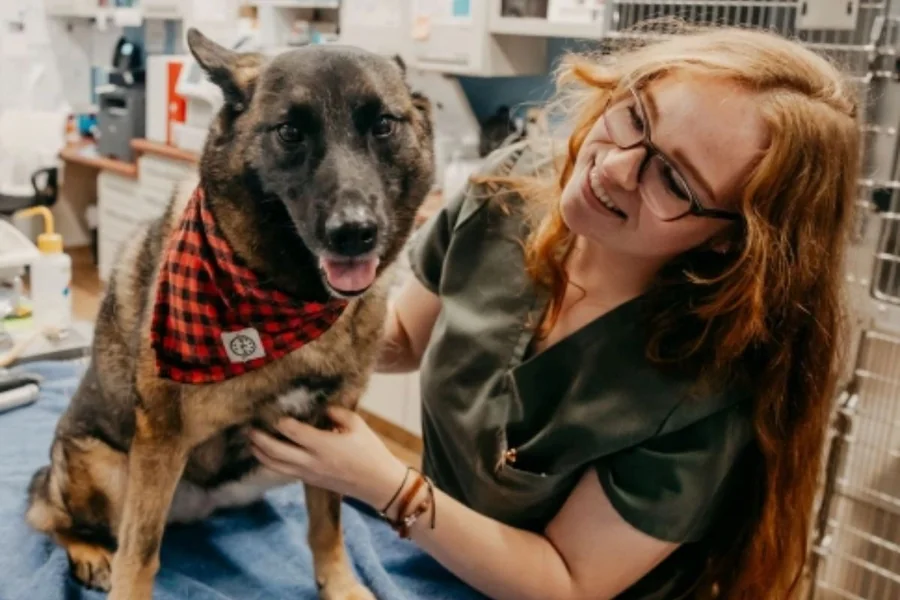
Senior pets depend on you for comfort, safety, and love. Age brings stiff joints, weaker senses, and confused behavior that can leave you worried or unsure. Here a trusted vet becomes your strongest partner. A veterinarian in New Milford can track changes early, ease pain, and guide you through hard choices with clear steps. Regular visits help spot small problems before they turn into emergencies. Care plans for food, movement, and home life keep your older pet steady and calm. Honest talks about behavior, weight, and sleep patterns help you understand what your pet needs right now. You do not have to guess or feel alone. With the right support, your aging dog or cat can stay active, engaged, and peaceful. This blog explains how vets support senior pet health and how you can work with them to give your pet a strong final chapter.
Why senior pets need different care
Aging changes your pet’s body in quiet ways. Organs slow down. Joints ache. Hearing and sight fade. Your pet may hide pain or act “off” for months before you notice a clear sign.
Vets study how age affects dogs and cats. They know that a small shift in weight, thirst, or mood can point to kidney disease, arthritis, or early cognitive decline. You see your pet each day. Your vet compares each visit to the last one and sees patterns.
When you work as a team, you catch problems early. You also avoid guesswork and guilt. You make choices based on facts, not fear.
How vets track senior health over time
Senior care is about steady checks, not quick fixes. Most vets suggest wellness visits every 6 months for older pets. During these visits your vet can
- Review weight, muscle loss, and body shape
- Listen to the heart and lungs
- Check joints, spine, and gait for pain
- Look at eyes, ears, teeth, and skin
- Ask about thirst, appetite, sleep, and bathroom habits
Vets often add basic lab tests. The American Veterinary Medical Association explains that blood and urine tests help find kidney, liver, and endocrine disease before strong signs appear. You can read more in their senior pet care guidance here https://www.avma.org/resources/pet-owners/petcare/senior-pet-care-faq.
These visits build a health record. Each number and note tells a story about how your pet is aging.
Common senior problems vets help manage
Vets do more than diagnose. They also shape day to day care so your pet feels safe and steady. Common issues include
- Arthritis. Your vet can suggest pain medicine, joint support, safe movement, and home changes like rugs for traction.
- Dental disease. Infections in the mouth hurt and also strain the heart and kidneys. Vets can clean teeth and treat infection.
- Kidney and liver disease. Early diet changes and medicine can slow damage and ease nausea or weakness.
- Heart disease. Vets can use tests like X-rays and echo to plan safe exercise and medicine.
- Cognitive decline. Changes in sleep, pacing, or house soiling may be “dog or cat dementia.” Vets can suggest routines, diet changes, and medicine.
- Cancer. Vets help you weigh treatment options, comfort care, and quality of life.
The goal is not to chase youth. The goal is to extend comfort and joy and to prevent silent suffering.
How often should your senior pet see the vet
Each pet is different. Still, many experts suggest this simple schedule, based on age and health status.
| Pet age and status | Suggested vet visit frequency | Typical checks
|
|---|---|---|
| Adult, 1 to 6 years, no chronic disease | Once per year | Exam, vaccines, weight check, basic tests as needed |
| Senior, 7 to 10 years, no chronic disease | Every 6 to 12 months | Exam, weight trend, bloodwork, urine test, dental check |
| Geriatric, 11 years and older | Every 6 months | Exam, lab tests, blood pressure, pain check, behavior review |
| Any age with chronic disease | Every 3 to 6 months or as advised | Disease monitoring, medicine review, quality of life talk |
The American Animal Hospital Association and many vet schools support more frequent checks as pets age. You can see an example of senior dog and cat guidance from Washington State University’s veterinary school here https://hospital.vetmed.wsu.edu/small-animal/cats-and-dogs/.
Building a care plan with your vet
A strong senior plan covers three core parts.
- Food. Your vet can match diet to kidney health, weight goals, and teeth status. You might shift to softer food, lower calories, or kidney support formulas.
- Movement. Your vet can set safe exercise goals. Short walks, gentle play, and low steps protect joints but still keep muscles working.
- Home life. Your vet can suggest ramps, non slip rugs, raised bowls, warm beds, and night lights to ease confusion.
You bring what you see at home. Your vet brings medical skill. Together you shape a plan that fits your pet and your family.
Comfort, behavior, and quality of life talks
Senior care includes hard talks about change and loss. Pain, accidents, or night crying can stretch your patience and your heart. A good vet does not judge. Instead, your vet helps you measure quality of life.
You can ask direct questions.
- Is my pet in pain most days
- Can my pet enjoy favorite things like eating, gentle play, or quiet time with me
- Are we treating the disease or only prolonging struggle
Vets may use simple quality of life scales to give you a clear picture. These tools break big feelings into yes or no questions. This structure helps you decide on more treatment, hospice style care, or euthanasia when the time comes.
How you can support your vet and your senior pet
You play a central role. Vets rely on what you see at home. You can support the partnership if you
- Keep a simple log of eating, drinking, bathroom habits, and mood
- Bring videos of limping, coughing, or confusion that you notice
- List all medicines and supplements, including human products
- Ask clear questions and repeat the plan in your own words before you leave
- Schedule follow up visits before you walk out
Steady contact builds trust. It also means you are not alone at three in the morning when you worry about a new symptom. You already have a partner who knows your pet and your limits.
Closing thoughts
Senior pets give quiet loyalty. They trust you to speak when they hurt and to protect their dignity. A strong bond with your vet lets you keep that promise.
You do not need to wait for a crisis. You can schedule a senior wellness visit, ask for a full review, and start a plan. Each visit, each small change, and each honest talk adds up to more calm days and softer nights for your aging pet.