What is the Difference Between Cosmetic Surgery and Plastic Surgery?
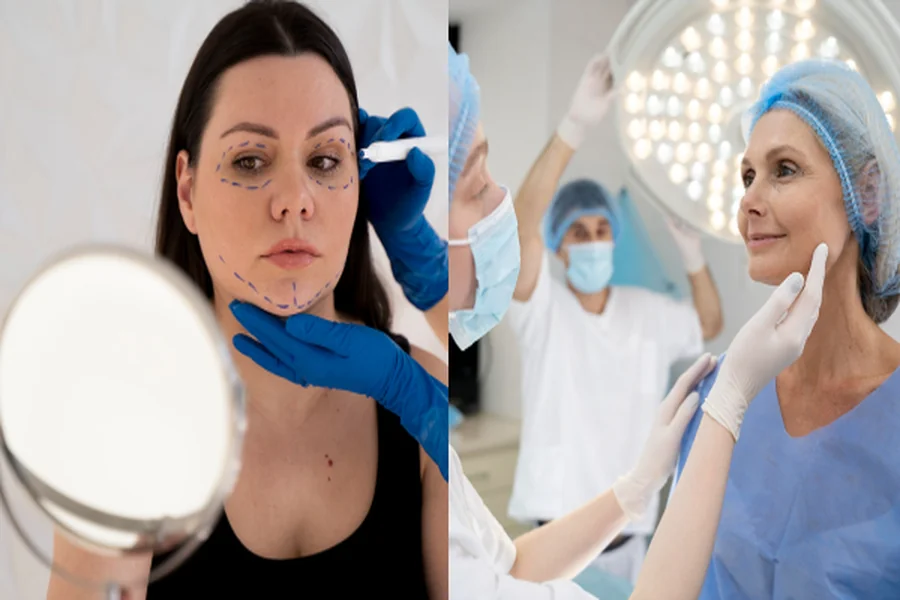
Dubai is becoming the world’s hotspot for surgical enhancements. Thousands of people from across the globe visit this city for cosmetic and plastic surgery. The city’s world-class clinics, skilled surgeons, and luxurious facilities make it a top choice. Globally, the demand for these procedures keeps growing. It’s important to understand the key differences between them before making any decisions.
Both fields aim to improve appearance or function, but they do so in very different ways. Cosmetic surgery focuses on enhancing beauty and is usually elective. Plastic surgery works on repairing damage, birth defects, or functional issues. Knowing these differences helps patients choose the right path for their needs. Even though these fields overlap, they serve unique purposes. This article will clarify what sets them apart and guide you on which one might suit you best.
What is Cosmetic Surgery?
Cosmetic surgery refers to elective procedures that focus on enhancing and improving a person’s appearance. These surgeries are done by choice, primarily to boost aesthetic appeal rather than to fix medical problems. The goal is to create better balance, symmetry, and proportion in the body or face.
Common areas treated in cosmetic surgery include the face, breasts, body contours, and skin. Patients often choose procedures like breast augmentation in Dubai to increase breast size, rhinoplasty to reshape the nose, facelifts to reduce signs of aging, liposuction to remove fat, as well as non-surgical treatments like Botox and fillers for skin rejuvenation.
Since cosmetic surgery mainly enhances areas that already function normally, it is classified as elective. People seek cosmetic surgery to feel more confident, correct imperfections, and achieve a natural, youthful look. These treatments focus entirely on appearance, making them distinct from other medical surgeries.
What is Plastic Surgery?
It is a surgical specialty focused on reconstructing defects and restoring body function. It involves correcting birth defects, injuries from trauma, burns, diseases, and other functional impairments. Unlike cosmetic surgery, plastic surgery often addresses medical needs, and many procedures are medically necessary rather than elective.
This field covers two main areas: reconstructive plastic surgery and some cosmetic procedures. Reconstructive surgeries repair or restore parts of the body that have been damaged or deformed, such as burn repair, cleft palate correction, scar revision, and breast reconstruction after mastectomy.
Plastic surgeons use advanced techniques to rebuild tissues and improve both appearance and function. This specialty plays a critical role in helping patients regain normal use of body parts while also improving their appearance when possible. The goal is to restore quality of life by combining surgical skill with a deep understanding of anatomy and healing.
Key Differences Between the Two Fields
To get a better and clearer idea about the differences between cosmetic and plastic surgery, read the key distinction given below.
-
Goal
Cosmetic Surgery: The main goal of cosmetic surgery is to improve a person’s appearance. It focuses on enhancing aesthetic appeal, symmetry, and body proportions. These procedures work on body parts that function normally but need a change in looks to boost confidence or meet personal desires.
Plastic Surgery: It primarily aims at repairing and reconstructing defects caused by birth disorders, trauma, burns, or diseases. Its goal is to restore normal function and appearance, often addressing medical needs rather than only beauty concerns.
-
Elective Nature
Cosmetic Surgery: Cosmetic surgery is usually elective, meaning patients choose to have these procedures to improve their appearance. Since these surgeries are not medically necessary, patients decide based on their personal wishes.
Plastic Surgery: It is often medically necessary. Many reconstructive procedures are performed to fix functional problems or correct deformities that affect health and well-being.
-
Training
Cosmetic Surgery: Cosmetic surgeons typically specialize in aesthetic procedures and may come from different medical fields. Their training focuses mainly on enhancing appearance.
Plastic Surgery: Plastic surgeons undergo extensive training through a broad surgical residency. Their education covers both reconstructive and cosmetic surgery, equipping them with skills for functional repair and appearance improvement.
-
Patient Motivation
Cosmetic Surgery: Patients seek cosmetic surgery mainly to enhance their looks and boost self-esteem. The motivation is personal beautification rather than fixing a medical issue.
Plastic Surgery: Patients choose this to restore normal function and appearance after injury, illness, or congenital problems. The motivation is often related to health, mobility, or repairing damage.
-
Certification Differences
In the UAE and wider region, board certification and surgeon credentials are vital. Plastic surgeons earn certification from recognized boards such as the American Board of Plastic Surgery or European equivalents, demonstrating training in both cosmetic and reconstructive surgery. Cosmetic surgeons may have varying qualifications, so it is important to verify certification. Choosing a qualified, board-certified surgeon ensures safety and expertise tailored to the patient’s needs.
Overlaps Between the Two Fields
The best plastic surgeon in Dubai often performs cosmetic procedures as well. Because their training includes both reconstructive and aesthetic surgery, they are skilled at enhancing appearance while also restoring function. For example, a plastic surgeon might do a facelift to improve looks but at the same time ensure the underlying tissues and muscles are properly repaired.
Cosmetic surgeons focus solely on aesthetic improvements. Their work centers on making elective changes to enhance beauty, such as Botox, liposuction, or breast augmentation. They typically do not handle reconstructive or medically necessary surgeries but specialize in refining appearance.
Both types of surgeons may perform similar procedures from different perspectives. For example, open rhinoplasty treatment can be done by a plastic surgeon to correct breathing issues (reconstructive) or by a cosmetic surgeon to change the nose shape (aesthetic). The overlap allows collaboration and a broad spectrum of care suited to each patient’s needs. This collaboration ensures patients get the right balance of functional repair and cosmetic enhancement when needed.
Choosing the Right Surgeon in Dubai
- Choose a surgeon whose experience aligns with your desired outcome.
- Always verify the surgeon’s qualifications and certifications before proceeding.
- Schedule a consultation to discuss your goals clearly and set realistic expectations.
- Trust surgeons who take time to explain risks, benefits, and recovery processes thoroughly.
- Verify that the surgeon is licensed by the Dubai Health Authority (DHA) or a recognized medical board.
- Use the consultation to ask about the surgeon’s experience, success rates, and the procedures themselves.
- Understand the surgeon’s specialization, whether they focus on cosmetic or reconstructive procedures.
- Halcyon Aesthetics boasts expert surgeons skilled in both cosmetic and plastic surgery in Dubai, offering personalized care and trusted results.
Conclusion
Understanding the difference between cosmetic and plastic surgery is essential for making informed decisions about your health and appearance. Each type serves a unique purpose. Cosmetic surgery focuses on enhancing beauty, while plastic surgery addresses medical reconstruction and function.
Choosing the right surgeon for your needs can make all the difference in achieving safe, satisfying results. For expert consultation and personalized treatment in Dubai, Halcyon Aesthetics Clinic stands out as a trusted choice, blending skill and care to help you look and feel your best.