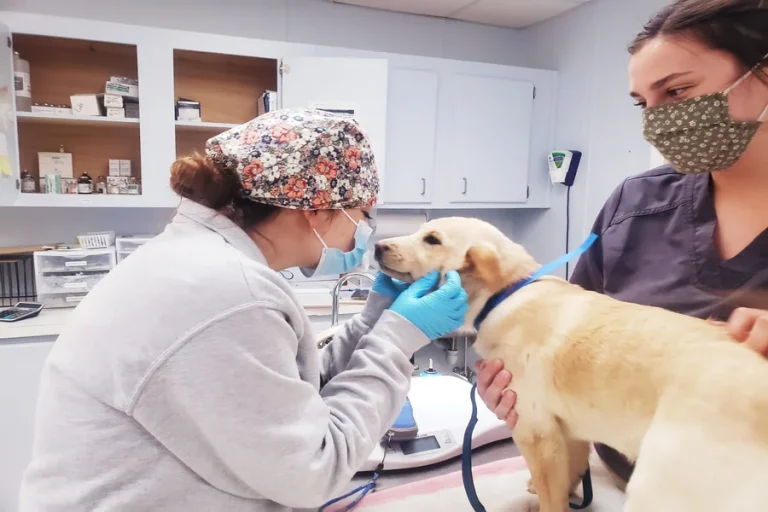
6 Tips For Choosing The Right General Veterinarian

Choosing a general veterinarian is a hard decision. You trust this person with your animal’s body and future. The wrong match can mean missed problems, rushed visits, and long nights of worry. The right match brings clear answers, steady care, and relief. You deserve that relief. Your animal does too. This guide gives you six clear tips to help you sort through options, ask sharp questions, and spot red flags early. You will learn how to judge training, clinic habits, staff support, and emergency plans. You will also see how to weigh location, cost, and your own comfort. For example, if you search for a Galloway wellness vet, you still need a simple way to tell if that clinic fits your animal. Use these tips to choose with confidence and protect the bond you share with your animal.
1. Check training, licensing, and approach to learning
You should start with proof that the veterinarian is trained and licensed. You can confirm licenses through your state board. Many boards list this online. You can also look for membership in groups such as the American Veterinary Medical Association. That shows a basic standard for practice.
Next, ask how the veterinarian keeps skills current. Medicine changes fast. New vaccines, pain plans, and behavior science appear each year. Ask three simple questions.
- How many hours of training do you complete each year?
- What topics did you study most recently
- How do you share new knowledge with clients
Clear, direct answers build trust. Vague answers signal that the clinic may not keep up. You can read about core wellness needs and vaccine plans on the Centers for Disease Control and Prevention’s pet health page. Use that as a baseline for your questions.
2. Study clinic habits and basic care standards
When you visit a clinic, use your senses. You do not need medical training to judge basic habits. Look at three things right away.
- Cleanliness. Floors, counters, and cages should look clean. The air should not smell heavy or rotten.
- Organization. Staff should know where the tools are. Records should be ready. Phones should not ring without an answer for long stretches.
- Clear steps. You should know what will happen during the visit, how long it will take, and what comes next.
Ask how the clinic handles vaccines, parasite checks, dental checks, and weight checks. Routine care is more effective after treatment. Strong clinics follow written plans. Weak clinics rely on memory and guesswork.
3. Watch staff support and communication style
You will speak with the staff more often than the veterinarian. Front desk staff, technicians, and assistants shape your daily experience. Notice how they speak with you and with each other. Calm, steady voices matter. So do patience and respect.
Ask yourself three questions as you watch.
- Do staff kneel or move slowly when they greet your animal
- Do they explain each step in simple words
- Do they listen when you describe your worries
Clear communication lowers fear for both you and your animal. You should feel safe asking what a word means. You should not feel rushed or ignored. A strong team makes room for questions and repeats key points when needed.
4. Compare costs, services, and access
Money, time, and distance shape your choices. You need a clinic that fits your life. Do not wait for an emergency to learn about costs. Ask for a written fee list for common services. These may include exams, vaccines, lab tests, dental cleanings, and spaying or neutering.
| Factor | Questions to ask | Warning signs
|
|---|---|---|
| Costs | Can you share prices for exams, vaccines, and labs? Do you offer written estimates before procedures | No written estimates. Surprise fees. Pressure to approve care without costs |
| Services | Do you provide dental care, surgery, behavior support, and senior care | Limited services with no clear plan for referral |
| Access | What are your hours? How soon can I get a sick visit? Do you offer same-day urgent slots | Long waits for sick visits. No after-hours plan. Phones rarely answered |
Cost alone should not drive your choice. Yet secret or unclear fees erode trust. A direct clinic will share prices and help you plan care within your budget.
5. Confirm emergency and after-hours plans
Emergencies happen fast. You need to know what will occur before that night comes. Ask where your animal will go if the clinic is closed. Some clinics rotate coverage with other hospitals. Others refer you to a 24-hour emergency center.
Write the emergency address and phone number on a card. Keep it near your door and in your phone. Ask three more questions now, not during a crisis.
- Who will see my animal after hours
- Will you receive records from the emergency visit
- How will follow up care work
A strong general veterinarian accepts that care continues after the emergency visit ends. That person will review records, adjust medicine, and explain what happened in clear language.
6. Trust your instincts and your animal’s response
Your own comfort matters. So does your animal’s body language. Watch how your animal acts in the lobby and exam room. Some stress is normal. Yet extreme shaking, growling, or frozen fear may show that the setting or handling style does not fit.
Reflect on three points after your first visit.
- Did you feel heard and respected
- Did you leave with a clear plan and written instructions
- Did your animal recover from the visit soon after leaving
If you feel a steady sense of doubt, pay attention. You are not locked in. You can request records and seek another opinion. A good veterinarian will support that choice and may even suggest other clinics that match your needs.
Putting it all together
Choosing the right general veterinarian takes effort. Still, that effort protects your animal and your peace of mind. Focus on six things. Confirm training. Study clinic habits. Watch staff support. Compare costs and services. Secure an emergency plan. Finally, honor your instincts.
When you use this clear checklist, a search for a new clinic, whether near home or for a special service, becomes less confusing. You move from guesswork to choice. Your animal gains steady care. You gain fewer sleepless nights and more quiet moments of relief.