How to Set Up a Calm, Comfy Space Your Dog Will Actually Use
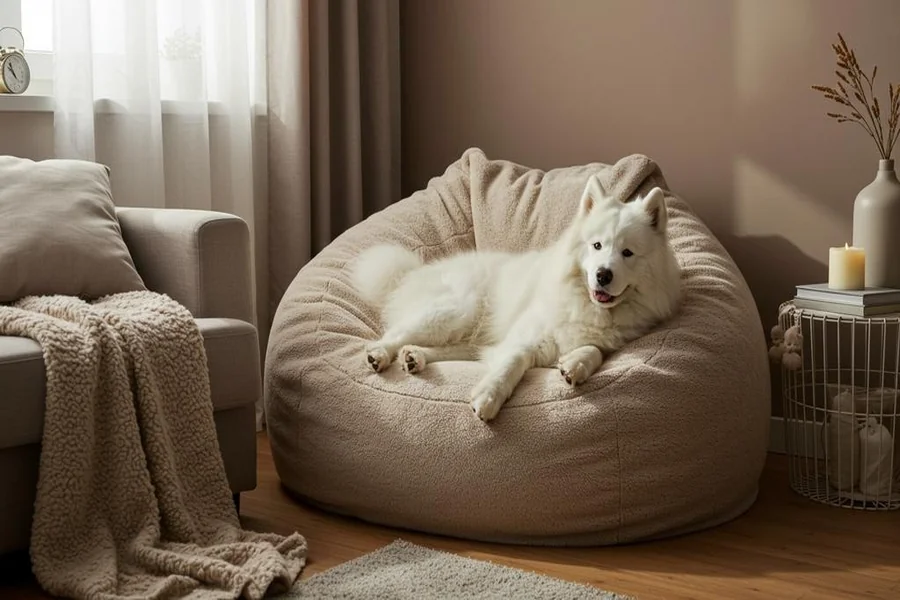
Creating a dedicated space for your dog sounds simple, but if you’ve ever bought the “perfect” bed only to find your dog still sprawled on the cold tiles or curled up in your laundry basket, you know it’s not always that easy. Dogs have their own preferences, and sometimes it takes a little trial and error to figure out what makes them feel truly safe, settled, and at ease. One of the most important elements is choosing the right dog beds, not just for looks, but for comfort, temperature, and fit.
The ideal dog space should feel like a mini retreat: calm, familiar, and tucked away enough that your pup can fully relax. Whether you’re working with a spare corner in the lounge or setting up a whole nook in the laundry or bedroom, the goal is to offer a peaceful zone that’s just for them — no noise, no foot traffic, no stress.
Here’s how to put it all together in a way your dog will actually appreciate (and use!).
Find the Right Location
Start by choosing a low-traffic area of your home. Dogs, especially anxious or reactive ones, tend to relax better when they’re away from household noise and movement. Bedrooms, studies, or corners of the living room can all work well — as long as it’s not directly next to the front door or under a window where sudden noises might disturb them.
If your dog already has a “favourite” spot, that’s a good clue. Work with their natural preferences rather than against them — they’ll settle faster and be more likely to use the space.
Choose a Supportive, Washable Bed
Comfort is key, but practicality matters too. You want a bed that suits your dog’s size, age, and sleeping style (curled, sprawled, belly-up, etc.). Look for supportive padding, especially for older dogs or breeds prone to joint issues. Orthopaedic foam or memory-style beds are great for this.
Make sure the fabric is washable and durable — especially if your dog is a digger, shedder, or accident-prone. Removable covers are a must, and water-resistant liners can be a lifesaver for pups in training or those prone to the odd leak.
Add Familiar Smells and Soft Layers
To make the space more inviting, include a few soft items that carry your scent — think old T-shirts, blankets, or even a pillow you no longer use. Dogs are comforted by smell, and having something that smells like you can help them feel safe even when you’re not around.
You can also layer soft blankets to add warmth and give your dog the option to snuggle in or sleep on top. If your pup likes nesting, consider adding a comforter or soft towel they can dig into.
Reduce Noise and Stimulation
If your dog is easily startled by sounds, you can help by placing their space away from loud areas — and using background noise like white noise machines or a fan. Closed doors, baby gates, or curtains can help make the space feel more enclosed without making it isolating.
Some dogs love covered beds or crates with draped blankets, which mimic a den-like space and help muffle sound and block out light. Just make sure they can come and go freely so they don’t feel trapped.
Keep Toys Low-Key
You don’t need to pack the space with a dozen toys — in fact, too much stimulation can actually stop them from relaxing. Choose one or two favourites, preferably quiet ones (no squeakers), and rotate them every few days to keep things fresh.
Puzzle toys or chew-safe treats can help if your dog tends to fidget or struggle with downtime, but always supervise at first to make sure they’re safe to use unsupervised.
Make It Routine
Once your dog has a space, use it consistently. Encourage them to go there when the house gets busy, during storms or fireworks, or when guests come over. Offer praise, treats, or calm pats when they settle there on their own.
If your dog doesn’t take to it straight away, don’t force it — just keep it available and inviting. Dogs often warm up to new routines slowly, especially if they’ve had a lot of change or stress in the past.
Every dog is different, but a calm, cosy space they can retreat to is one of the best ways to support their wellbeing. With the right bed, location, and a few thoughtful extras, you can create a sanctuary they’ll actually want to spend time in — not just one that looks good in your living room.