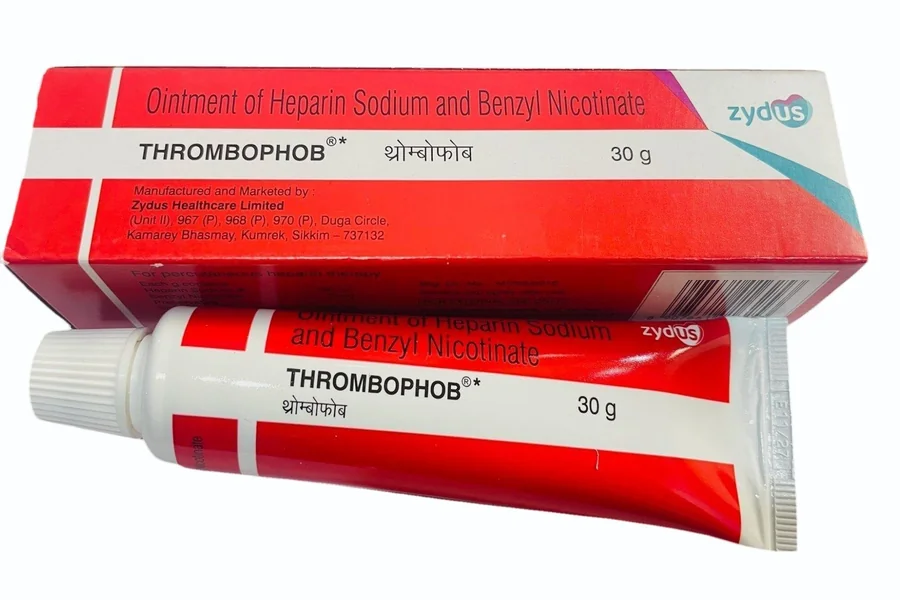
Thrombophob Gel for Superficial Thrombophlebitis: Pain Relief, Usage Tips and When to See a Doctor
Introduction
Superficial thrombophlebitis can feel uncomfortable in a way that’s hard to ignore. There’s usually some pain, a bit of swelling, and sometimes the area feels warm to touch. It’s not always serious, but it can still bother you enough to look for something that helps locally. That’s where Thrombophob Gel is often used. Since it’s applied directly on the skin, people tend to prefer it for targeted relief. At the same time, it’s still important to know how to use it properly and when something might need a doctor’s attention.
What is Thrombophob Gel and How It Works?
Thrombophob Gel contains heparin, which is known for its role in reducing clot-related irritation. When applied on the skin, it works more on the surface level rather than affecting the whole body. The idea is to ease inflammation and reduce that uncomfortable swelling around the affected vein. It doesn’t act instantly, but over time it can help the area settle down and feel less painful.
When to Consider Thrombophob Gel?
This kind of gel is usually considered for milder, surface-level issues rather than anything deep or severe. For example, it may be used when there’s irritation after an injection, or when there’s a small bruise that hasn’t settled yet. Sometimes even mild inflammation in a specific spot can be managed this way. It’s more about easing local discomfort than treating something serious internally.
How to Apply?
The way you apply it actually makes a difference. It’s better to start with clean skin, so gently washing the area beforehand helps. A thin layer is usually enough, and it doesn’t need to be overapplied. Lightly spreading it over the area works better than pressing too hard. It’s also important to avoid applying it on broken skin or open cuts. After using it, washing your hands is a good habit to keep things simple and clean.
Expected Benefits and Typical Course
Most people don’t see a change immediately, but within a few days, things usually start feeling better. The pain and swelling tend to reduce gradually. Bruises may also fade a bit faster compared to leaving them untreated. As the discomfort reduces, moving around becomes easier too. If nothing seems to improve after about a week, it’s probably worth getting it checked instead of continuing without clarity.
Common Side Effects and Cautions
For the most part, it’s well tolerated, but some people might notice slight redness or mild irritation where it’s applied. That usually settles on its own. If there’s itching or a rash that doesn’t feel normal, it’s better to stop using it and see what’s going on. It’s also not meant for use on open wounds or sensitive inner areas. People who are already on blood thinners or have bleeding-related conditions should be a bit more careful and check with a doctor before using it.
When to See a Doctor?
There are a few situations where it’s better not to wait it out. If the pain keeps increasing instead of getting better, or if the redness starts spreading, that’s a sign to get it looked at. Fever or chills along with the swelling can also point to something more than just a minor issue. If there’s swelling in the entire limb or any breathing discomfort, that needs immediate attention, as it could be something deeper.
Conclusion
Thrombophob Gel can be helpful for managing mild, surface-level vein irritation, especially when there’s pain or swelling that’s bothering you. It works best when used correctly and with a bit of patience, since the results aren’t instant. Keeping an eye on how the symptoms change is just as important as using the gel itself. If things improve, you’re on the right track. If not, it’s always safer to get proper medical advice instead of guessing.