Understanding Facial Pigmentation and Why It Happens
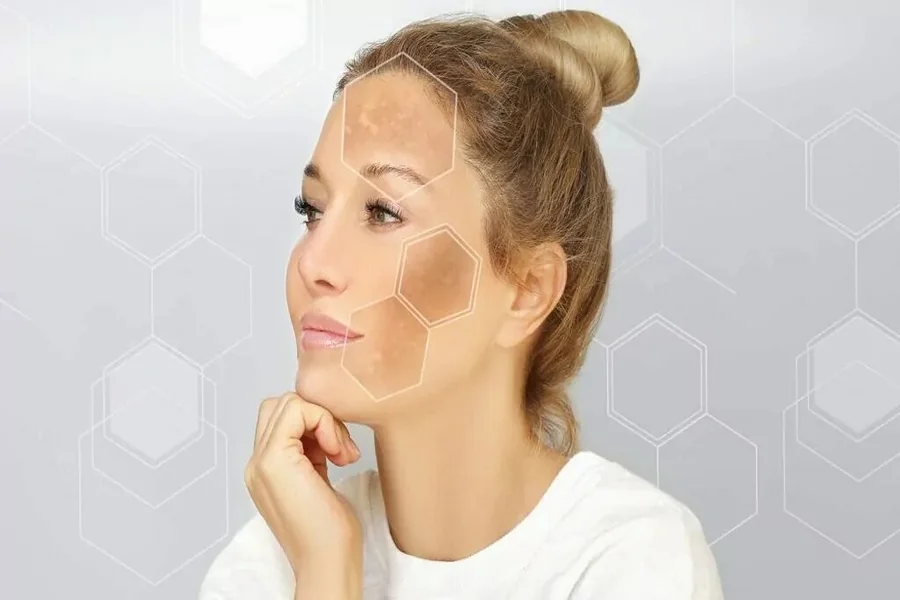
Facial pigmentation is a common concern, especially in climates where sun exposure is frequent. One of the most persistent forms of pigmentation is melasma, which appears as dark patches on areas like the cheeks, forehead, and upper lip. It is often linked to factors such as sun exposure, hormonal changes, genetics, and even certain skincare products.
Unlike temporary pigmentation, melasma tends to be more stubborn and can return even after treatment. This is why many people actively search for facial melasma reduction in Singapore, looking for solutions that are both safe and effective.
What Makes Melasma Difficult to Treat
Melasma is not just a surface level skin issue. In many cases, the pigmentation exists at different depths of the skin, which makes treatment more complex. Some cases are superficial, while others are deeper and require more advanced approaches.
Another challenge is that melasma is influenced by internal factors such as hormones. This means that even after visible improvement, the condition can return if triggers are not managed properly.
Because of this, treatment is usually focused on reduction and management rather than a permanent cure.
Common Treatment Approaches
There is no single solution that works for everyone. Most treatments involve a combination of methods tailored to the individual’s skin type and severity of pigmentation.
Topical Treatments
Topical creams are often the first step in managing melasma. These may include ingredients that help reduce melanin production and lighten dark patches.
Common ingredients include hydroquinone, retinoids, and vitamin C. These are used consistently over time to gradually improve skin tone and texture.
Oral Medications
In some cases, doctors may recommend oral treatments that work from within. These help regulate pigmentation pathways and support overall skin improvement.
Such treatments are usually prescribed only after a proper consultation, as they need to match the individual’s condition and medical history.
Chemical Peels
Chemical peels are used to remove the outer layer of the skin, allowing new and clearer skin to emerge. Certain professional peels are specifically designed to target pigmentation and improve uneven skin tone.
They are often used as part of a broader treatment plan rather than a standalone solution.
Laser and Light Based Treatments
Laser treatments are commonly used for deeper pigmentation. These procedures target melanin beneath the surface and help break it down into smaller particles, which the body then removes over time.
Different types of lasers may be used depending on the skin type and severity of melasma. Multiple sessions are usually required to see noticeable results.
Why Combination Treatments Work Better
Melasma is rarely treated with a single method. Most professionals recommend a combination approach that includes topical care, procedures, and maintenance routines.
This layered strategy targets pigmentation from different angles, increasing the chances of visible improvement. It also helps reduce the risk of recurrence by addressing both surface and deeper causes.
A personalised plan is important because every individual’s skin responds differently to treatment.
What to Expect from Treatment
Melasma reduction is usually a gradual process. Results do not appear overnight, and consistency plays a major role in achieving visible improvement.
Some treatments may show initial results within a few weeks, while others require multiple sessions over a few months. Maintenance is also necessary to keep pigmentation under control.
Patients may experience mild redness or sensitivity depending on the treatment method, but these effects are usually temporary.
The Importance of Sun Protection
One of the most important aspects of managing melasma is sun protection. Exposure to UV rays can worsen pigmentation and undo the effects of treatment.
Using a broad spectrum sunscreen daily is essential. Protective measures such as wearing hats or avoiding peak sunlight hours can also help prevent recurrence.
Even the most advanced treatments will not be effective in the long run without proper sun care.
Choosing the Right Treatment Plan
Selecting the right treatment depends on several factors, including skin type, depth of pigmentation, and overall skin condition. Consulting a qualified professional helps ensure that the approach is safe and suitable.
A proper assessment allows for a customised plan that avoids unnecessary trial and error. It also helps in setting realistic expectations about results and timelines.
Rushing into treatments without understanding the condition can sometimes worsen pigmentation, so professional guidance is always recommended.
Lifestyle and Skincare Habits
Apart from clinical treatments, daily habits also play a role in managing melasma. Using gentle skincare products, avoiding harsh chemicals, and maintaining a consistent routine can support overall skin health.
Factors like stress, sleep, and diet may also influence skin condition. While they may not directly cause melasma, they can affect how the skin responds to treatment.
Adopting a balanced lifestyle can complement professional treatments and improve long term outcomes.
Conclusion
Facial melasma is a complex condition that requires patience and the right approach. While it may not have a permanent cure, it can be effectively managed with the right combination of treatments and lifestyle adjustments.
For those exploring facial melasma reduction in Singapore, understanding the available options and setting realistic expectations is key. From topical treatments to advanced procedures, each method plays a role in improving skin clarity over time.
With proper care, consistent treatment, and attention to sun protection, it is possible to achieve noticeable improvement and maintain healthier looking skin in the long run.