The Role Of Saliva Diagnostics In Early Cavity Prevention
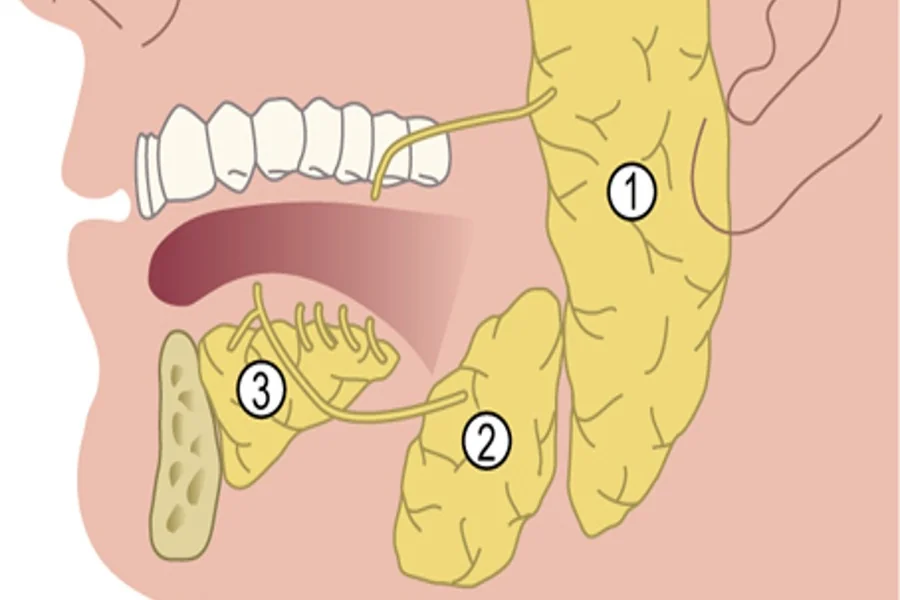
Imagine a world where a simple saliva test could save you from a future filled with dental procedures. Cavities, those tiny enemies lurking in your mouth, might seem unbeatable. But with the rise of saliva diagnostics, you have a secret weapon. This method is catching cavities long before they grow into costly problems. How does it work? Saliva contains clues about your health. By analyzing it, you can spot issues early. If you’re seeing a dentist in East Dallas, you might already be experiencing this advance. Instead of waiting for discomfort, a saliva test can offer insights into your oral health. This early detection can prevent pain and protect your wallet. You’ll spend less time in the dental chair and more time smiling. Embrace the power of saliva diagnostics for a cavity-free future. Shift from reaction to prevention, and enjoy better oral health.
Understanding Saliva’s Role
Saliva is more than just a natural mouth rinse. It plays a vital role in maintaining oral health. It helps neutralize acids, fights germs, and assists in digestion. But beyond these functions, saliva is becoming a key player in early cavity prevention. By examining saliva, professionals can detect harmful bacteria levels and acid presence, providing a snapshot of your oral health. This method is easier, faster, and less invasive than traditional methods.
How Saliva Diagnostics Works
The process involves collecting a small sample of saliva. This sample is then analyzed to identify markers related to dental issues. These markers can indicate the early stages of tooth decay, allowing for intervention before a cavity forms. This early detection is crucial. It shifts oral health from treatment to prevention, significantly reducing the risk of developing cavities.
Benefits of Early Detection
- Reduces dental treatment costs.
- Minimizes discomfort and pain.
- Limits the time spent on dental procedures.
These benefits make saliva diagnostics an attractive option for families looking to maintain good oral health without the stress of frequent dental visits.
Saliva Diagnostics vs. Traditional Methods
Traditional dental check-ups often involve visual inspections and X-rays. While these methods are effective, they may miss early cavity development. Below is a comparison of saliva diagnostics and traditional methods:
| Aspect | Saliva Diagnostics | Traditional Methods |
|---|---|---|
| Detection | Early-stage | Advanced-stage |
| Invasiveness | Non-invasive | Invasive |
| Accuracy | High for early detection | High for visible issues |
| Comfort | Comfortable | Variable |
Who Can Benefit?
Saliva diagnostics is suitable for everyone. It is particularly beneficial for children and older adults. Kids often find dental visits stressful. Saliva tests, being non-invasive, can ease this stress. Older adults may face higher cavity risks due to conditions like dry mouth. Saliva diagnostics helps monitor and manage these issues.
Future of Saliva Diagnostics
The potential of saliva diagnostics extends beyond cavity prevention. Researchers are exploring its use in detecting other health problems. This broad application can revolutionize healthcare, offering a simple way to monitor overall health through a basic test. The National Institutes of Health highlights ongoing research in this exciting area.
Getting Started
If you are interested in saliva diagnostics, discuss it with your dentist. They can provide guidance on its availability and suitability for your needs. By taking this proactive step, you invest in your dental health and overall wellbeing. Embrace this innovative approach and take charge of your oral health today.