
How to Turn Scrap Metal Into Cash: A Practical Guide for Homeowners and Businesses
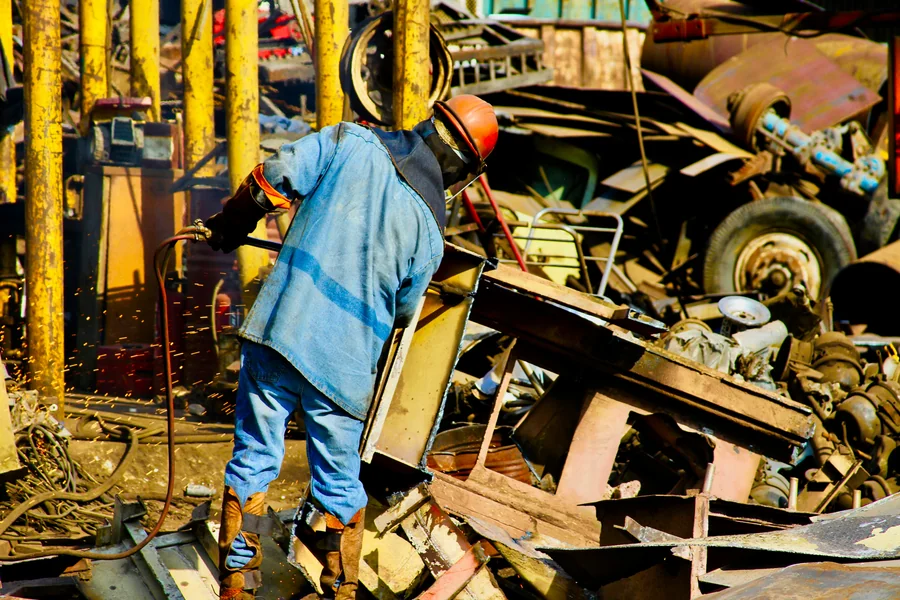
Most people walk past scrap metal every day without giving it a second thought. The old appliances in a garage, the rusted pipes from a renovation, the pile of aluminum cans in the corner of a workshop. What looks like junk is actually a commodity with real market value, and knowing how to collect, sort, and sell it can put meaningful money back in your pocket.
Whether you are a homeowner clearing out after a renovation, a contractor managing leftover materials on a job site, or a business looking to handle waste more profitably, metal recycling is worth understanding properly.
Why Scrap Metal Has Value
Metals are among the few materials that can be recycled indefinitely without losing their core properties. Steel, copper, aluminum, brass, and cast iron can all be melted down and reprocessed into new products, making them genuinely valuable to metal recyclers and manufacturers alike.
This creates a supply chain in which scrap yards serve as the critical middle point, buying used metal from individuals and businesses, then selling it onward to processors and manufacturers. Because metal prices fluctuate with global commodity markets, the rates scrap yards pay can vary week to week, but most common metals hold consistent enough value to make recycling worthwhile.
The environmental case runs parallel to the financial one. Recycling metal requires significantly less energy than mining and processing raw ore. For aluminum specifically, recycled production uses a fraction of the energy required to produce the same material from bauxite. Every kilogram of scrap metal that goes to a recycler rather than a landfill contributes to a measurably smaller industrial footprint.
What Metals Are Worth Collecting
Not all metals are equally valuable, but most have some worth. Broadly, metals fall into two categories:
Ferrous metals contain iron and are magnetic. This includes:
- Steel and iron structural components
- Cast iron from stoves, radiators, and engine blocks
- Appliances such as washing machines, dryers, and fridges
- Rotors and other automotive parts
Non-ferrous metals contain no iron, are not magnetic, and typically command higher prices per kilogram:
- Copper from plumbing pipes, wiring, and motors
- Aluminum from window frames, cans, and automotive parts
- Brass from fittings, taps, and valves
- Stainless steel from kitchen equipment and fixtures
- Lead from old piping and battery components
If you are unsure whether something is ferrous or non-ferrous, a basic magnet is all you need. If it sticks, it contains iron. If it does not, you are likely holding something more valuable.
How to Prepare Your Scrap Before You Go
A little preparation before visiting a scrap yard can make a noticeable difference in what you receive for your materials. Yards pay by weight, and any non-metal attachments reduce the purity of your load.
- Separate ferrous and non-ferrous metals into distinct piles before you arrive
- Remove plastic housings, rubber insulation, and other non-metal components where possible
- Strip copper wire if you can, as bare bright copper pays considerably more than insulated wire
- Keep appliances intact if stripping them down is not practical, as most yards accept whole units
- Clean materials are not strictly required, but excessively contaminated loads may be assessed differently
The effort required varies depending on what you have. For a small load of mixed household metal, basic sorting is enough. For a contractor clearing a job site, more thorough separation pays off over larger volumes.
Finding the Right Scrap Yard
Not all scrap yards operate the same way. Some focus primarily on commercial and industrial accounts, while others are explicitly open to the general public and walk-in customers. Rates can also differ between yards, so for larger volumes it is worth making a couple of calls to compare.
For Toronto residents and businesses, Canada Iron & Metal has been a reliable option since 1937, accepting everything from household appliances and old cars to copper, brass, aluminum, and electronic waste from both individuals and commercial clients.
When choosing a yard, it is worth checking:
- Whether they accept walk-in public drop-offs or require an account
- Their posted hours, as most yards have specific days and times for public drop-offs
- Whether they offer bin services if you are managing ongoing commercial or industrial volumes
- How they handle electronic waste, as not all yards accept e-scrap
Selling Scrap Metal as a Side Income
For people willing to be more systematic about it, scrap metal collection can function as a consistent side income. The approach does not require much upfront investment and can be scaled to whatever time you have available.
Common strategies include:
- Listing yourself as available for appliance removal on local community boards and marketplace apps
- Contacting contractors and trades people who generate regular scrap and offering free or low-cost pickup
- Collecting aluminum cans consistently, as they are lightweight, easy to store, and accumulate quickly in volume
- Watching for large item garbage collection days in your municipality, where discarded appliances and metal furniture are often left curbside
People who do this regularly develop a good sense of what is worth picking up and what is not. Copper and aluminum are almost always worth the effort. Bulky steel items make more sense when you have a truck or trailer and can consolidate loads efficiently.
Businesses and Commercial Accounts
For contractors, manufacturers, demolition companies, and any business that generates regular metal waste, working with a scrap yard on a commercial basis is simply good operational practice.
Most yards that serve commercial clients offer bin services, providing containers of various sizes that are dropped at your site and collected on a schedule. This removes the need to manage scrap storage or make individual trips. For businesses generating significant volume, the revenue from scrap can partially offset operating costs in a meaningful way.
Industries that tend to generate the most recoverable metal include construction and renovation, automotive repair, HVAC installation, electrical contracting, and manufacturing. If your operations fall into any of these categories and you are currently paying for metal disposal rather than receiving payment for it, it is worth reviewing your current arrangement.
The Bottom Line
Scrap metal is one of the more straightforward examples of value hiding in plain sight. The infrastructure to convert it into cash exists in most major cities, the process is not complicated, and the environmental case for doing it is clear. Whether you are clearing out a single renovation or managing ongoing commercial waste, taking metal to a recycler rather than a landfill is almost always the better choice financially and practically.


