
How To Choose The Perfect Adventure Game For Your Next Gaming Session

Introduction
Adventure games have captivated gamers for decades with their immersive storytelling, intricate puzzles, and dynamic worlds. These games transport players to fantastical realms, challenging them to solve mysteries, embark on epic quests, and explore richly detailed environments. What sets adventure slot gacor games apart is their ability to engage players through a combination of narrative depth and interactive gameplay. For more on adventure games and their evolving trends, check out https://paende.net/.
From classic point-and-click adventures to modern open-world explorations, the genre offers a diverse range of experiences that cater to different tastes and preferences. The allure of adventure games lies in their capacity to provide a sense of discovery and accomplishment, drawing players into captivating stories and allowing them to become heroes in their own right.
Importance Of Choosing The Right Game For An Engaging Experience
Selecting the right adventure game is crucial for ensuring an engaging and enjoyable experience. With the vast array of titles available, from timeless classics to innovative new releases, finding a game that aligns with your interests and playstyle can significantly enhance your gaming experience.
Whether you prefer puzzle-solving, narrative-driven content, or action-packed quests, the right game can make all the difference. It’s important to consider factors such as story quality, gameplay mechanics, and visual style when choosing a game. An adventure game that matches your preferences can lead to a more immersive and satisfying experience, allowing you to fully engage with the game’s world and its challenges.
Understanding Adventure Games
Definition And Key Characteristics
Adventure games are a genre of video games that emphasize exploration, puzzle-solving, and narrative. Unlike other genres that might focus more on fast-paced action or strategic elements, adventure games prioritize storytelling and player immersion in a richly developed world. The core characteristic of adventure games is their focus on a strong narrative, where players often take on the role of a protagonist embarking on a quest or unraveling a complex story.
In adventure games, players typically interact with their environment and characters through a series of puzzles and challenges. These interactions are designed to advance the plot and develop the game’s narrative. The gameplay usually involves a combination of problem-solving, exploration, and dialogue with non-playable characters (NPCs). This interactive storytelling approach allows players to influence the game’s outcome based on their choices and actions, providing a deeply engaging experience.
Different Types of Adventure Games
Adventure games can be categorized into several distinct types, each offering unique gameplay experiences:
Point-and-Click Adventure Games: This type of adventure game requires players to interact with the game environment using a point-and-click interface. Players navigate the game world by clicking on objects or characters to examine, collect, or use them in various ways. Classic examples include the “Monkey Island” series and “Grim Fandango.” These games often feature intricate puzzles and a rich narrative that unfolds as players progress through the game.
Narrative-Driven Adventure Games: In narrative-driven adventure games, the focus is heavily on storytelling. These slot gacor games are designed to immerse players in a compelling narrative, often with minimal emphasis on puzzles or complex gameplay mechanics. The player’s primary role is to make choices that influence the story’s direction and outcome. Examples include “Life is Strange” and “The Walking Dead,” where the player’s decisions shape the characters’ relationships and the overall plot.
Open-World Adventure Games: Open-world adventure games offer players a vast, open environment to explore freely. Unlike more linear adventure games, open-world titles provide a sandbox experience where players can choose their own path and engage with various activities and side quests. This type of adventure game emphasizes exploration and player agency, with examples such as “The Legend of Zelda: Breath of the Wild” and “Red Dead Redemption 2”.
Sub-Genres Of Adventure Games
Adventure games also encompass several sub-genres, each with its own distinctive elements:
Puzzle-Adventure Games: These games blend traditional adventure gameplay with intricate puzzles that require logical thinking and problem-solving skills. Puzzle-adventure games challenge players to solve a series of puzzles to progress through the story. Titles like “Myst” and “The Talos Principle” are prime examples, offering players a combination of exploration and mental challenges.
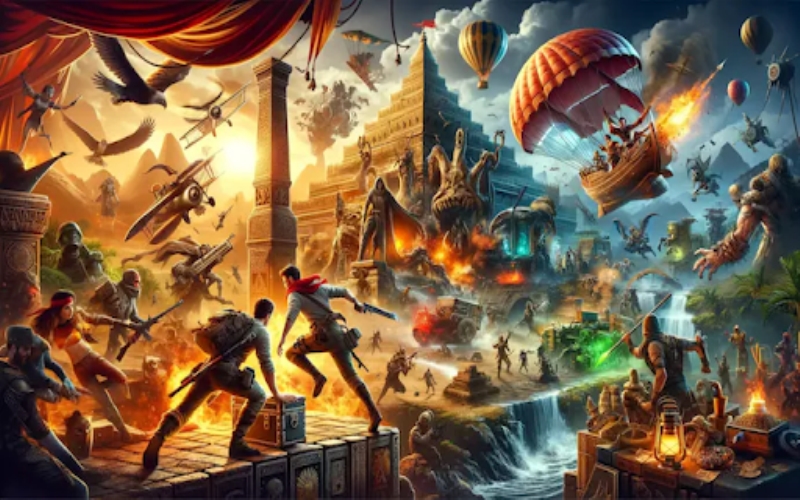
Action-Adventure Games: Action-adventure games combine elements of adventure and action genres. They often feature real-time combat, exploration, and narrative-driven gameplay. Players engage in action sequences while also solving puzzles and interacting with the game’s story. “Uncharted” and “Tomb Raider” are notable examples of action-adventure games, where players experience a blend of thrilling action and immersive storytelling.
Budget Considerations
When selecting a video game, budget considerations play a crucial role in ensuring you get the most value for your money. Here’s a comprehensive guide to help you assess pricing and value for money in your gaming purchases.
Pricing
First and foremost, it’s essential to evaluate if the game fits within your budget. Video games come in a wide range of price points, from AAA titles that often launch at $60 or more, to indie games priced around $20 or even less. Understanding your budget constraints can help you narrow down your options and make informed decisions.
One effective strategy for finding games that fit your budget is to keep an eye on sales and discounts. Major digital platforms like Steam, PlayStation Store, and Xbox Store frequently offer significant discounts during seasonal sales or special promotions. These sales can provide opportunities to purchase high-quality games at a fraction of their original price. Additionally, many platforms offer bundle deals where you can get multiple games for a reduced price, further stretching your gaming dollars.
For those who prefer not to spend money upfront, exploring free-to-play options can be a great alternative. Many games in this category offer extensive content without any initial cost, though they may include in-game purchases or microtransactions. These can be an excellent way to enjoy gaming without a financial commitment, but it’s important to be aware of potential additional costs that can accrue over time.
Value For Money
Once you’ve assessed the pricing, the next step is to consider the value for money a game offers. This involves evaluating factors like the game’s length and replayability to determine if it provides a worthwhile experience for the price.
The length of a game can vary greatly, from short indie titles that might be completed in a few hours, to expansive RPGs that can offer hundreds of hours of gameplay. A longer game doesn’t always equate to better value, but it can be a factor in assessing how much content you’re getting for your money. For instance, an open-world game with a deep storyline and numerous side quests may offer more content and playtime compared to a linear, shorter experience.
Replayability is another crucial aspect to consider. A game that offers various modes, multiple endings, or a dynamic world that changes with each playthrough can provide greater long-term value. Games that support community mods or user-generated content often extend their lifespan, allowing for new experiences and replay value long after the initial purchase.
To get a clearer picture of a game’s value, reading reviews and player feedback can be incredibly helpful. Reviews often provide insights into the game’s length and replayability, offering a broader perspective on whether the game justifies its price.
Conclusion
Selecting the perfect adventure game for your next gaming session can greatly enhance your experience and enjoyment. By considering factors such as your personal interests, gameplay style, and the game’s narrative depth, you can ensure a more immersive and satisfying adventure. Whether you’re drawn to epic fantasy worlds, intricate mysteries, or action-packed quests, understanding what aspects of a game appeal to you will guide you to the right choice. Additionally, exploring reviews, trailers, and slot gacor gameplay previews can provide valuable insights into what to expect. Ultimately, the best adventure game is one that aligns with your preferences and offers an engaging, memorable experience.


