
5 Reasons Your Aircraft Pilots Need Quality Headsets
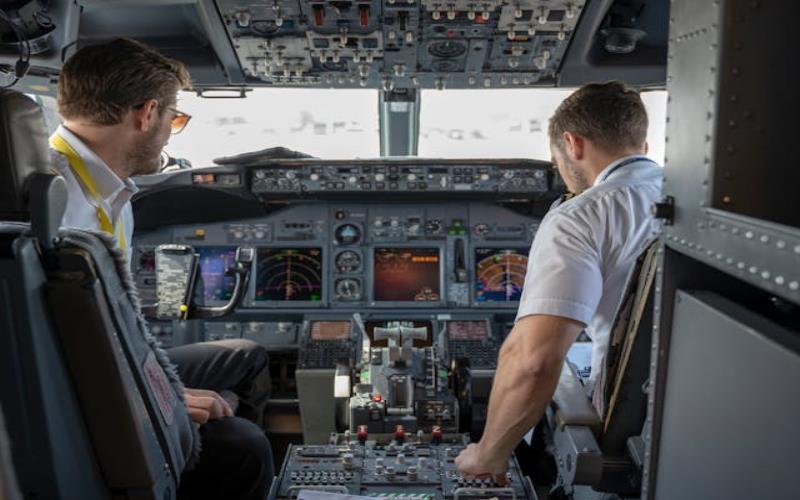
In the demanding field of aviation, the tools and equipment used by pilots play a vital role in ensuring safe and efficient operations. Among these, quality headsets stand out as a crucial component. Quality headsets provide numerous benefits that enhance the performance, safety, and comfort of pilots. This essay explores five key reasons why aircraft pilots need high-quality headsets. It highlights their impact on communication, noise reduction, comfort, reliability, and overall performance.
Increased Clarity in Communication
Clear communication is essential in aviation to maintain safety and efficiency. Quality headsets allow for better communication clarity between pilots and air traffic control. These headsets are designed to filter out ambient noise, ensuring precise transmission and reception of messages. This clarity minimizes the risk of misunderstandings that could lead to critical errors. Furthermore, effective communication is vital during complex maneuvers and emergencies, where accuracy is paramount. By providing clear communication channels, quality headsets contribute to safer and more efficient flight operations.
Noise Reduction and Hearing Protection
Aircraft cabins are inherently noisy environments due to engine sounds, wind, and other mechanical noises. Quality headsets are equipped with advanced noise reduction technology, which helps minimize these auditory disruptions. This feature not only enhances communication but also protects pilots’ hearing over the long term. Prolonged exposure to high noise levels can result in hearing loss, impacting a pilot’s career and health. Many modern headsets work multiple ways to protect a pilot’s hearing. For instance, a David Clark headset typically includes passive and active noise reduction features. Investing in high-quality headsets ensures that pilots are shielded from harmful noise levels, preserving their hearing and well-being.
Comfort and Fatigue Reduction
Pilots often endure long hours in the cockpit, making comfort a critical factor in maintaining their alertness and performance. Quality headsets are designed with ergonomics in mind, offering a comfortable fit that reduces strain and fatigue. Features such as padded ear cups, adjustable headbands, and lightweight materials contribute to overall comfort. When pilots are comfortable, they experience less fatigue, which can impair judgment and reaction times. Using comfortable, high-quality headsets helps keep pilots alert and focused throughout their flights.
Reliability and Durability
In the demanding environment of aviation, equipment reliability and durability are paramount. Quality headsets are built to withstand the rigors of constant use and harsh conditions. They are made from robust materials and often feature reinforced cables and durable connectors. This reliability ensures that pilots can depend on their headsets to function correctly throughout their flights. Durable headsets also reduce the need for frequent replacements and repairs, leading to cost savings for airlines and operators. Ultimately, the reliability and durability of quality headsets contribute to safer and more efficient flight operations.
Advanced Features and Technology
Modern quality headsets can be set up with a range of advanced features and technologies. These can include Bluetooth connectivity, integrated microphones with noise-canceling capabilities, and customizable audio settings. Such features allow pilots to connect seamlessly with various communication devices and adapt the headset’s performance to their specific needs. Advanced headsets also often include features that can monitor and adjust audio levels automatically, further enhancing communication clarity and hearing protection. By leveraging these technological advancements, pilots benefit from a more versatile and effective communication tool, improving overall flight safety and efficiency.
Improved Overall Performance
The cumulative effect of enhanced communication, noise reduction, comfort, reliability, and advanced features is an overall increase in pilot performance. When pilots have access to quality headsets, they can communicate more effectively, experience less fatigue, and rely on their equipment in all conditions. This leads to better decision-making, quicker responses, and a higher level of situational awareness. Improved performance directly translates to safer flights, as pilots are more equipped to handle routine operations and unexpected challenges. Therefore, investing in quality headsets is an investment in the overall performance and safety of pilots and their aircraft.
Necessary Components
Quality headsets are an essential tool for aircraft pilots, providing clear communication, noise reduction, comfort, reliability, and advanced features. These benefits collectively boost pilot performance, safety, and efficiency. While the initial cost of high-quality headsets may be significant, the long-term advantages far outweigh the costs. Ensuring that pilots are equipped with the best possible headsets is an important step toward maintaining safe and effective aviation operations. Quality headsets have led to many positive results in the aviation industry.


