The Art of Layered Haircuts: Adding Dimension and Movement to Your Hair
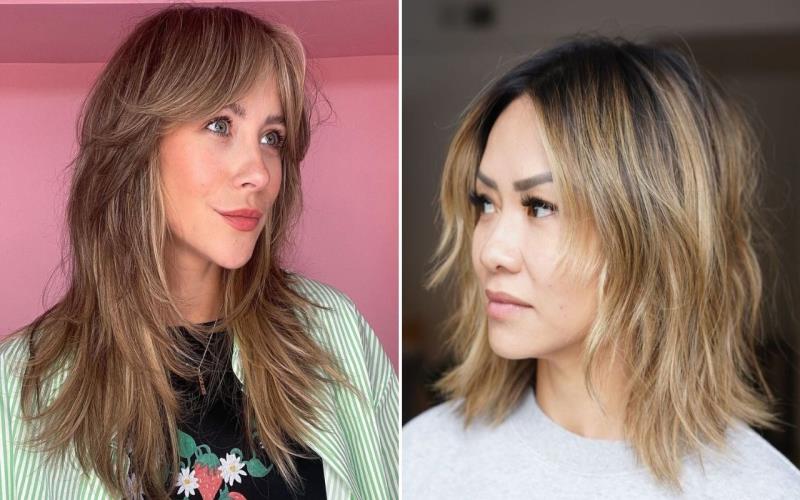
When it comes to achieving a hairstyle that exudes both sophistication and versatility, layered haircuts stand out as a top choice. These cuts, which involve varying lengths of hair strategically placed to create a natural, flowing look, are perfect for anyone looking to add depth and movement to their hair. Whether you have straight, wavy, or curly locks, the right layered haircut can enhance your hair’s natural texture, making it appear fuller and more dynamic. For those in the Bay Area, finding the perfect haircut San Francisco can transform your look with expertly crafted layers that suit your individual style.
Benefits of Layered Haircuts: Volume, Dimension, and Movement
- Adding Volume: Layers create the illusion of volume by varying hair lengths, which lifts and adds body to thin or fine hair. This technique prevents flatness, making hair look fuller and more vibrant.
- Enhancing Dimension: Layers break the uniformity of a one-length cut, adding depth and texture. This multi-dimensional effect enhances visual interest and movement, making the hair appear more lively and less flat.
- Increasing Movement: A well-executed layered haircut introduces natural movement by varying hair lengths. This variation allows the hair to flow freely, creating a dynamic, less rigid appearance that enhances overall movement.
- Customization for Different Hair Types: Layers can be tailored to any hair type, whether thick, fine, straight, or curly. This customization helps manage volume, define curls, or add bounce, enhancing the unique qualities of each hair type.
Types of Layered Haircuts
1. Long Layers
Long layers are ideal for those who want to maintain length while adding volume and movement. These layers are subtle and typically start below the chin, adding a soft, flowing effect to the hair. Long layers are particularly flattering for those with thick or wavy hair.
2. Short Layers
Short layers work best for adding texture and volume, especially in shorter haircuts like bobs or pixie cuts. These layers create a more defined shape and can help to frame the face, making the overall hairstyle appear more dynamic.
3. Face-Framing Layers
As the name suggests, face-framing layers are cut to accentuate the facial features. These layers start around the cheekbones or jawline, drawing attention to the eyes, cheekbones, or other focal points. Face-framing layers are versatile and can be incorporated into both long and short hairstyles.
Best Hair Types for Layered Cuts
1. Straight Hair
Layered cuts are perfect for straight hair, as they introduce much-needed movement and volume. Without layers, straight hair can often appear flat and lifeless. Long layers, in particular, add a sleek yet voluminous look, creating a sense of fullness and flow that transforms straight hair into a more dynamic style.
2. Wavy Hair
Layers work wonders for wavy hair by enhancing its natural texture. By defining the waves, layers prevent the hair from looking too heavy or weighed down. Medium to long layers are especially effective, as they create a soft, beachy vibe that accentuates the effortless, tousled look often desired with wavy hair.
3. Curly Hair
Curly hair greatly benefits from layers, which help in distributing volume more evenly throughout the hair. Without layers, curls can become bulky at the ends, leading to an unbalanced look. Properly layered curls are more defined, bouncy, and easier to manage, giving curly hair a more polished and harmonious appearance.
Techniques Used by Stylists to Achieve Seamless Layers
- Point Cutting: This technique involves cutting into the ends of the hair with the tips of the scissors to create a softer, feathered effect. Point cutting helps to blend the layers and reduce any harsh lines.
- Slide Cutting: Slide cutting is used to create soft, subtle layers by sliding the scissors along the hair shaft while cutting. This technique is particularly effective for fine hair, as it creates gentle layers without losing too much volume.
- Razor Cutting: Using a razor to cut layers can create a textured, edgy look. Razor cutting is ideal for those seeking a more modern, tousled style. However, this technique requires precision to avoid fraying the ends.
- Blending: Blending layers is crucial to avoid a choppy appearance. Stylists often use thinning shears or a blending comb to ensure that the transition between layers is smooth and natural.
Maintenance Tips for Layered Haircuts
- Regular Trims: To keep layers looking their best, it’s important to schedule regular trims every 6-8 weeks. This prevents split ends and ensures the layers maintain their shape.
- Proper Styling Products: Using the right styling products, such as volumizing mousse or curl-enhancing creams, can help define the layers and add texture. Heat protectants are also essential if heat styling is involved.
- Blow-Drying Techniques: Blow-drying your hair with a round brush can enhance the movement of the layers. Start from the roots and work your way down to create volume and lift.
- Conditioning Treatments: Layered haircuts can sometimes lead to dry ends, so incorporating regular conditioning treatments or hair masks can keep the hair hydrated and healthy.
Conclusion
Layered haircuts offer a dynamic way to transform your look by adding depth, movement, and a customized finish tailored to your hair type. Whether you opt for subtle layers to maintain length or bold layers to create volume and texture, the versatility of layered styles is unmatched. Beyond just enhancing the natural texture of your hair, layered cuts also provide an ideal foundation for color treatments, allowing highlights, balayage, and lowlights to truly shine. If you’re ready to elevate your hairstyle, visit one of the expert hair salons San Francisco, specifically Hairicc, where skilled stylists can craft a layered look that perfectly suits your personal style and maintenance needs.