
Should You Use an RFID-Blocking Sleeve or Wallet?
In an era of evolving technology, Radio Frequency Identification (RFID) has become an essential tool for data transmission. RFID tags are found in a range of items we use daily, including credit cards, passports, and access cards. While RFID makes transactions and identification quick and seamless, it has also introduced new security concerns. As a result, RFID-blocking sleeves and wallets have gained popularity as tools to protect personal information. But are they necessary? Let’s explore what RFID-blocking technology is, the risks of RFID theft, and whether these wallets and sleeves are worth the investment.
The Potential Risk: RFID Skimming
RFID skimming is a form of data theft where criminals use a hidden RFID reader to scan and steal data from your RFID-enabled cards. This can occur in crowded places where people are close together, such as public transportation or events. In theory, RFID skimming could lead to unauthorized transactions or identity theft.
However, it’s essential to note that the risk of RFID skimming may be exaggerated. Most modern RFID-enabled credit cards are equipped with security features like encrypted data transmission, and even if information were intercepted, it might be challenging to make fraudulent transactions without additional card details. Furthermore, many banks and card companies offer fraud protection, which can cover losses from unauthorized charges.
Are RFID-Blocking Products Necessary?
The necessity of most popular RFID-blocking wallets and sleeves depends on your level of concern regarding RFID skimming and the types of items you carry.
- Credit and Debit Cards: The majority of new credit and debit cards use the more secure EMV (Europay, Mastercard, and Visa) technology, which does not rely on RFID. These cards require physical contact with a payment terminal to process a transaction, making RFID skimming nearly impossible. However, some older RFID-enabled cards might still be vulnerable.
- Passports: In the United States, passports issued since 2007 contain an RFID chip with personal data, including your name, date of birth, and passport photo. While these chips also include security measures, some travelers feel more comfortable using an RFID-blocking sleeve for added peace of mind.
- Key Cards and Access Passes: Many workplaces and residences use RFID-enabled key cards. If you carry a key card with sensitive access, an RFID-blocking sleeve or wallet could offer an extra layer of security, especially if the card lacks encryption.
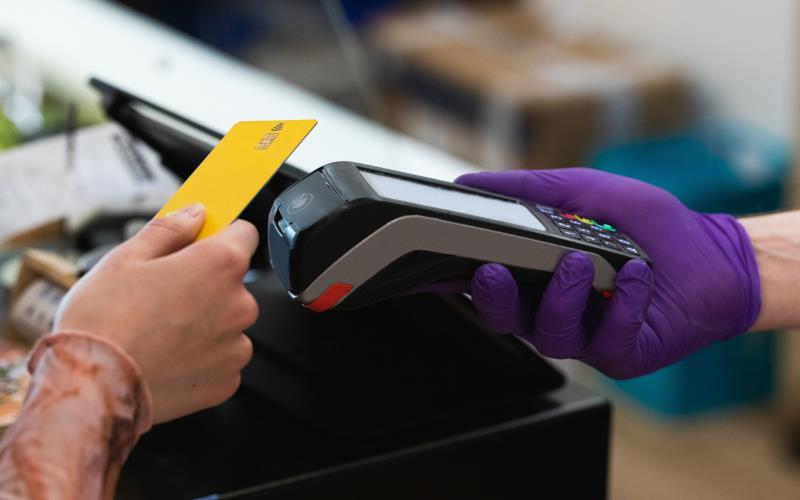
- Contactless Payment Cards: Some contactless payment cards may use RFID technology. Although they’re generally equipped with security measures, if you’re concerned about the remote chance of unauthorized reading, an RFID-blocking wallet could provide reassurance.
Alternative Measures for Protecting Your Information
If you’re hesitant about investing in an RFID-blocking wallet, here are a few other ways to protect your information:
- Use a Standard Wallet: Many regular wallets are thick enough to prevent unauthorized scanning.
- Carry Only What You Need: Reduce the items in your wallet to minimize the potential for RFID skimming.
- Regularly Monitor Accounts: Checking your bank statements and credit card accounts for unauthorized charges can help you catch fraud early, even if your information is
Do You Need an RFID-Blocking Wallet?
For most people, RFID-blocking wallets and sleeves may not be necessary. The likelihood of RFID skimming is low, and modern credit cards, as well as passports, have built-in security features that make unauthorized scanning difficult. However, if you prefer to err on the side of caution especially if you travel frequently, carry older cards, or have contactless payment cards, an RFID-blocking product could provide extra peace of mind.
In the end, RFID-blocking products offer a low-cost, low-maintenance form of protection against a relatively low-risk threat. If you value the peace of mind that comes with an extra layer of security, an RFID-blocking wallet or sleeve may be worth the investment. For those who feel secure with the protections already in place on modern cards and IDs, a regular wallet may be sufficient.


