
What Role Do Smartwatches Play in Managing Chronic Health Conditions?
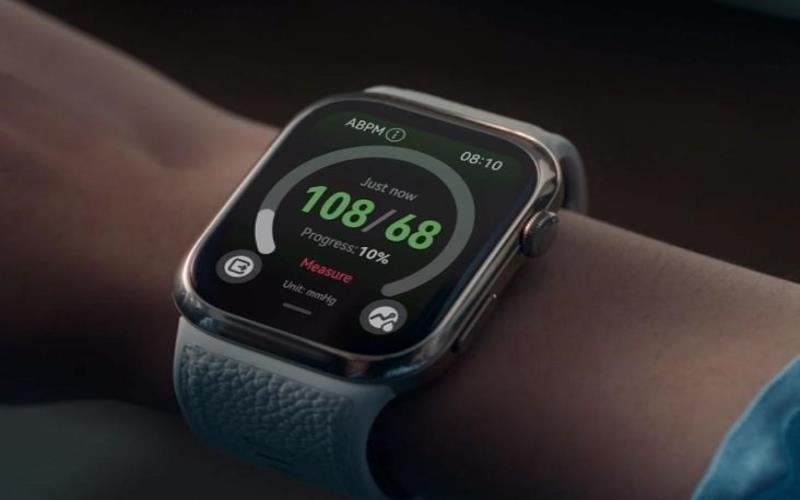
Smartwatches have evolved from mere time-tellers to powerful health management tools. In recent years, these devices have significantly impacted chronic health management, offering real-time monitoring of vital signs, medication reminders, and personalized health insights. For individuals living with chronic conditions such as hypertension, diabetes, and heart disease, smartwatches provide an accessible and convenient way to track their health continuously. By monitoring key metrics like heart rate, blood pressure, and blood glucose levels, users can make informed decisions about their health and receive timely interventions. With advances in technology, smartwatches are becoming indispensable partners in the management of chronic health conditions, offering users a hands-on approach to their health and well-being.
Real-Time Monitoring of Vital Health Metrics
Smartwatches are equipped with advanced sensors that track crucial health metrics in real-time, providing individuals with insights into their physical condition as it happens. This continuous monitoring allows for the early detection of any irregularities, helping users stay proactive about their health. Devices like the Huawei Watch D2 are especially beneficial for users with chronic conditions. For instance, the watch can measure blood pressure throughout the day and night, ensuring users are always aware of their health status. It’s particularly useful for people with hypertension, offering them the ability to track their blood pressure without the need for frequent doctor visits. For those wondering how to get blood pressure down immediately, continuous tracking offers users the data needed to seek timely medical intervention before issues escalate.
Continuous Heart Rate and Blood Pressure Tracking
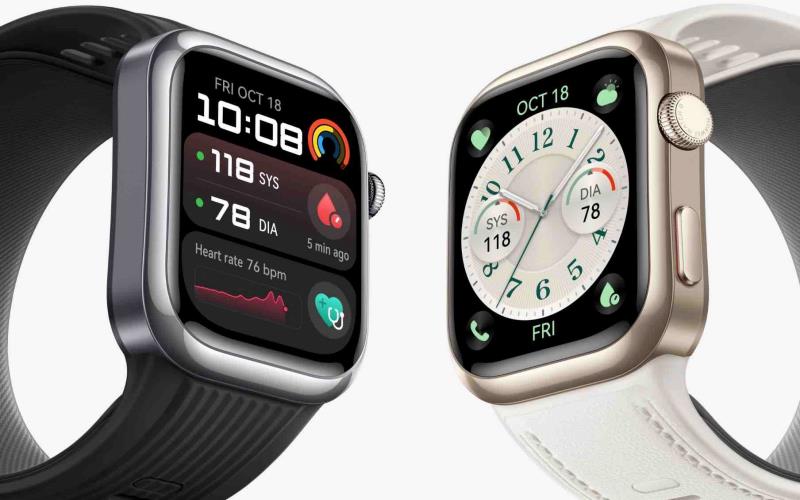
Smartwatches, such as the Huawei Watch D2, offer continuous heart rate and blood pressure tracking. These devices are designed to measure blood pressure around the clock, whether you’re working, exercising, or even sleeping. This capability is crucial for managing chronic conditions like hypertension, as it provides a more accurate, long-term view of a person’s health rather than relying on occasional doctor visits. By monitoring vital signs constantly, users can detect any irregularities in their blood pressure and heart rate early. This allows individuals to take proactive steps in managing their condition, whether by making lifestyle changes, adjusting medications, or seeking medical help. For those struggling with blood pressure, this continuous feedback is an invaluable tool in maintaining their health.
Monitoring Glucose and Oxygen Levels
In addition to tracking heart rate and blood pressure, smartwatches also offer the ability to monitor other vital health metrics such as glucose levels and oxygen saturation (SpO2). These measurements are particularly important for individuals with chronic conditions like diabetes and respiratory diseases. By continuously monitoring glucose levels, users can better manage their diet, medication, and exercise routines. Similarly, tracking oxygen levels can provide early warning signs for conditions such as chronic obstructive pulmonary disease (COPD) or sleep apnea. With such real-time data at their fingertips, smartwatch users can adjust their lifestyle and medical routines as needed, ensuring they are always in the best possible health.
Medication and Treatment Adherence with Smart Reminders
For individuals managing chronic health conditions, adhering to medication schedules is essential for maintaining their health. Smartwatches play a crucial role in helping users stick to their prescribed medication regimens. With customizable medication reminders, smartwatches ensure that users take their medications at the correct times, reducing the risk of missed doses. This is especially important for people with chronic conditions who rely on consistent medication to manage their symptoms and prevent complications. Additionally, smart reminders can be set for other treatments, such as physical therapy or dietary changes, to ensure users stay on track with their health management plan.
Setting Up Medication Alerts
Smartwatches can be programmed to send alerts for medication reminders, ensuring that users never forget to take their prescribed doses. These alerts can be customized to suit the user’s needs, whether that means reminders for specific times of day, or alerts that appear as a notification on the watch face. The ability to receive medication alerts directly on the wrist makes it easier for individuals to manage their conditions independently, especially for those with memory issues or busy schedules.
Tracking Medication Schedules for Consistency
In addition to alerts, smartwatches can also track medication schedules to ensure that users are consistent in their treatment. This feature is beneficial for chronic condition patients who require daily or multiple doses of medication. By keeping an accurate record of medication intake, users can prevent missed doses and maintain their health more effectively. If a user misses a dose, the smartwatch can alert them, helping to avoid any lapses in treatment.
Data-Driven Insights for Better Decision-Making
One of the most powerful features of modern smartwatches is their ability to collect and analyze health data. These devices don’t just monitor metrics—they use that data to offer actionable insights that can help individuals make informed decisions about their health. By continuously tracking health metrics like heart rate, blood pressure, and glucose levels, smartwatches can identify patterns and trends that may indicate potential issues. These insights can help users adjust their daily routines, medications, and other health-related behaviors to improve their overall well-being. In addition, some smartwatches can sync with healthcare apps, allowing users to share their data with doctors for more personalized treatment plans.
Mental Health and Stress Management for Chronic Condition Patients
Chronic health conditions don’t just affect the body—they also impact mental health. Living with a chronic condition can lead to stress, anxiety, and even depression, which can make managing the physical aspects of the condition more challenging. Fortunately, many smartwatches are equipped with features to help manage mental health and stress. For example, the watch can track stress levels using heart rate variability or prompt users to engage in mindfulness exercises, meditation, or breathing exercises. By regularly practicing stress management techniques, users can help mitigate the negative effects that chronic conditions may have on their mental health. Additionally, by encouraging healthy lifestyle habits such as regular physical activity and adequate sleep, smartwatches can improve mental well-being and reduce the impact of chronic conditions on a person’s emotional health.
Conclusion
As technology continues to advance, smartwatches will play an even greater role in managing chronic health conditions. With their ability to provide continuous monitoring, personalized health insights, and medication reminders, smartwatches are becoming indispensable tools for individuals with long-term health issues. Looking forward, it’s likely that these devices will evolve to offer even more advanced features, such as improved diagnostic capabilities and deeper integration with healthcare systems. As a result, smartwatches will not only help manage chronic conditions but also enable users to take more control over their health, leading to better outcomes and a higher quality of life.


