How Online Games Are Shaping Future Generations: The Influence of Gaming on Society
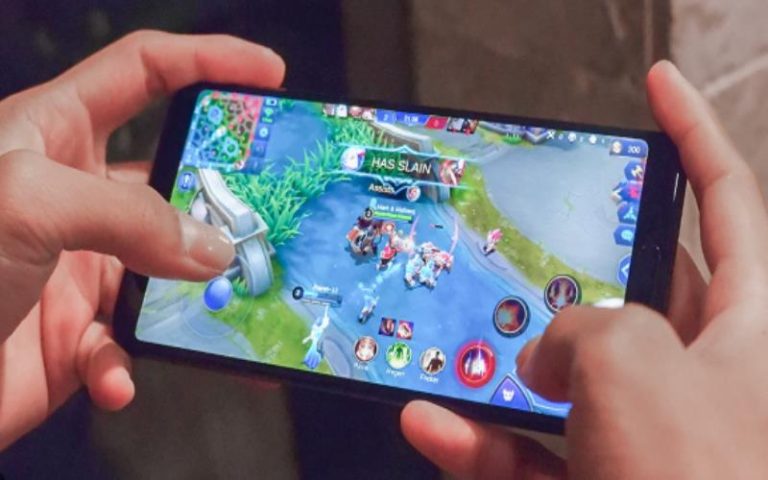
Online Sabatoto games are no longer just a form of entertainment—they have evolved into a powerful force shaping the way future generations interact with technology, work, and each other. With millions of players worldwide, the influence of online gaming is far-reaching, affecting cognitive development, social behavior, education, and even career paths. As technology continues to advance and gaming becomes an integral part of daily life, it is essential to understand how online games are shaping the future of society.
In this article, we explore the various ways online games are influencing the next generation, from fostering skills like problem-solving and teamwork to driving changes in education and career opportunities.
1. Cognitive Development and Critical Thinking
Enhancing Problem-Solving Skills
Many online Togel279 games, especially strategy games and role-playing games (RPGs), require players to think critically and make decisions based on logic, reasoning, and immediate feedback. These games encourage problem-solving and strategic thinking, helping players develop skills they can apply both in-game and in real life.
- Strategy and Planning: Games like StarCraft II and League of Legends require players to plan their actions, adapt strategies in real-time, and think several steps ahead to succeed.
- Adaptability: Players must often think on their feet, adjusting their approach to new challenges or changing scenarios, which fosters flexibility in thinking.
These cognitive skills are transferable to a variety of real-world applications, including decision-making, creative thinking, and adaptation in personal and professional life.
Improving Hand-Eye Coordination and Reflexes
Action-packed online games, particularly first-person shooters (FPS) and racing games, help improve hand-eye coordination and reaction times. The need for precise control and rapid decision-making in these games can enhance motor skills and reflexes, which are beneficial in many aspects of life, from sports to certain careers like surgery or driving.
- Fine Motor Skills: FPS games like Call of Duty or Fortnite require players to react quickly and control their character with precision, training their hands and eyes to work in sync.
- Reaction Speed: Racing games like Mario Kart or Need for Speed can help develop faster reaction times and the ability to process information quickly.
These skills are particularly valuable for young players, as they help develop brain-hand coordination that can benefit them in everyday tasks.
2. Socialization and Teamwork
Building Social Connections
Online gaming provides a unique platform for social interaction. It allows players to connect with others worldwide, fostering relationships with people from diverse backgrounds and cultures. In multiplayer games, players must work together to achieve common goals, which leads to the development of strong social bonds.
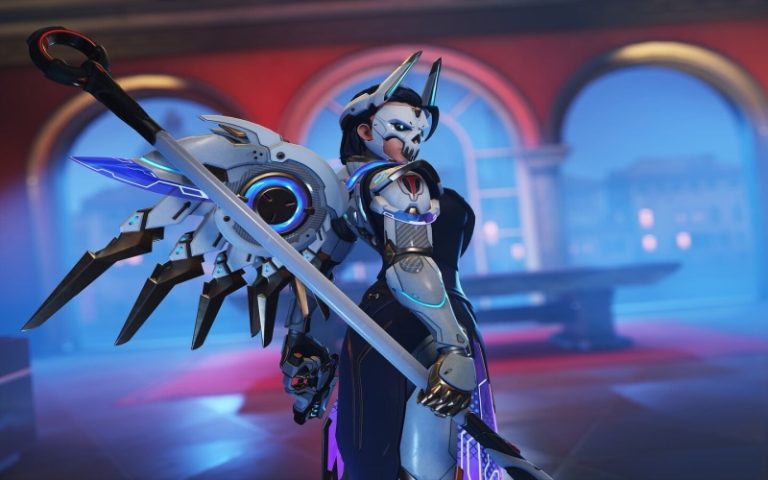
- Team-Based Games: Titles like Overwatch, Apex Legends, and World of Warcraft require communication, cooperation, and coordination within teams. These interactions often lead to the formation of lasting friendships and online communities.
- Global Interaction: Online games have created virtual spaces where players can interact with others from around the world, broadening their horizons and increasing cultural awareness.
For future generations, online gaming will continue to serve as a medium for cross-cultural communication and global connections, helping individuals break down geographical and social barriers.
Fostering Teamwork and Collaboration
Many online games require players to work together in teams, whether they’re battling opponents, completing quests, or solving puzzles. These experiences teach players important lessons in teamwork, collaboration, and conflict resolution.
- Cooperative Gameplay: Games like Minecraft and Fortnite require teamwork and shared objectives. Players must cooperate, share resources, and strategize together to succeed.
- Leadership and Communication: In team-based games, leadership skills often emerge. Players learn to communicate effectively, delegate tasks, and make collective decisions.
These skills are invaluable in the workplace, where collaboration, leadership, and effective communication are essential for success.
3. Education and Learning Opportunities
Gamification of Learning
The rise of online games has introduced the concept of gamification to education. Gamification involves applying game elements—such as rewards, levels, and challenges—to non-game activities, and it’s becoming a popular tool in schools and learning platforms. Many games are designed to be educational, helping players develop academic skills in a fun, interactive way.
- Educational Games: Titles like Civilization VI and Portal 2 teach players about history, science, and logic through gameplay. Games can introduce complex topics in an engaging manner, making learning more accessible and enjoyable.
- Simulations and Virtual Learning: Simulations like SimCity or Microsoft Flight Simulator offer practical knowledge in fields such as urban planning, aviation, and engineering, making them valuable educational tools for aspiring professionals.
As online games continue to evolve, they will likely play an increasingly important role in interactive learning and skill development, providing future generations with innovative ways to acquire knowledge.
Improved Focus and Memory
Many online games require players to remember various elements—whether it’s enemy locations in a shooter game, puzzle solutions, or strategic plans in an RPG. This enhances memory, focus, and attention to detail. Additionally, games that involve puzzles or tasks that require concentration can help improve working memory, which is crucial for learning.
- Attention to Detail: Games like The Elder Scrolls V: Skyrim and The Witcher 3 require players to keep track of important details in quests and dialogue, strengthening memory retention.
- Focused Gameplay: Fast-paced games, such as Fortnite or Call of Duty, require players to stay focused and aware of their surroundings, further enhancing attention span and cognitive control.
4. Career Pathways and Future Opportunities
Esports and Professional Gaming
The rise of esports has created an entirely new industry, offering career opportunities for talented gamers. Competitive gaming, which involves professional tournaments and leagues, has gained significant traction in recent years. Games like Dota 2, League of Legends, and Fortnite are at the forefront of esports, attracting large audiences and offering substantial prize money for top players.
- Professional Gamers: Esports organizations are hiring players, coaches, analysts, and content creators, offering a viable career path for those who excel in competitive gaming.
- Streaming and Content Creation: Platforms like Twitch and YouTube have enabled gamers to build careers as streamers, creating content that connects with a global audience.
For future generations, the world of esports and online gaming presents new and exciting opportunities, turning hobbies into professional careers for those passionate about gaming.
Skills for Tech Careers
Online gaming also teaches valuable skills that can be applied to careers in technology, such as software development, game design, and cybersecurity. Many games offer a behind-the-scenes look at complex systems and technological innovations, which can inspire the next generation of tech professionals.
- Game Development: Aspiring game designers and developers often start by creating mods or learning about game mechanics through the games they love.
- Technology Literacy: Playing online games requires understanding and navigating digital platforms, which fosters technical skills like troubleshooting, system management, and digital literacy—essential skills for future tech careers.
Conclusion: A Transformative Force for Future Generations
Online games have become much more than a form of entertainment. They are shaping the social, educational, and career paths of future generations. From enhancing cognitive abilities and teamwork skills to providing new career opportunities and fostering global connections, online games are playing a crucial role in the development of young people today.
As the gaming industry continues to grow and evolve, it will undoubtedly influence the next generation in ways that are still unfolding. The skills developed through gaming, such as problem-solving, creativity, and collaboration, will shape the leaders, professionals, and innovators of tomorrow.