
Hessian Cloth in Kenya: Its Application, Value, and Supplies
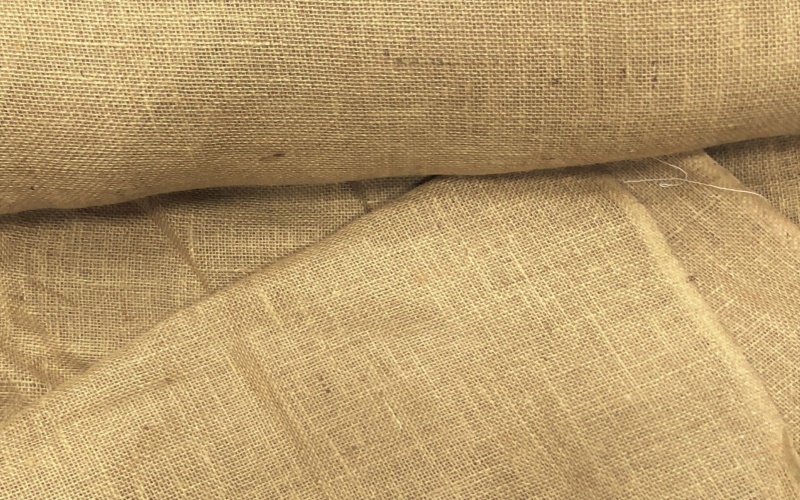
Hessian cloth, popularly referred to as burlap, has been in practical application for ages owing to its ruggedness and its ability to be environmentally sustainable. Kenyans use hessian cloth for packaging, landscaping, and making crafts. Because it is economical and environmentally friendly, it is helpful to both individuals and industries.
Hessian cloth in Kenya is environmentally friendly since it is constructed from natural fibers, and this is crucial in the present-day global environment. Moreover, such cloth has also gained prominence as geotextile fabric because it has the ability to help control soil erosion and aid in terracing. This discussion focuses on the various applications of hessian cloth kenya and how one can obtain this material in Kenya.
Applications of Hessian Cloth in Kenya
Due to its versatility and natural fiber, hessian cloth is used in various sectors in Kenya. In agriculture, for example, it is ideal for the drying and/or refining of agricultural produce or simply transporting foods, as its permeable fabric ensures that the product remains fresh. In landscaping, hessian cloth kenya serves an even more significant purpose as a soil stabilization mat, whereas gardeners often consider it a natural anti-weed fabric. Last but not least, Hessian cloth is used in crafts, interior design, and fashion, creating natural rustic features.
Advantages of using Hessian cloth in Agriculture and Landscaping
The fibers encompassed in Hessian cloth Kenya are natural, making it an ideal material in agriculture. For agriculturalists, it is the best option when moving crops as it is light, airy, and strong, thereby eliminating the chances of rotting. In landscaping,
Hessian serves as a biodegradable material that reduces soil erosion and enhances moisture retention, thus promoting the growth of plants. When bonded with geo-textile fabric, it plays a role in reinforcing soil structure, which is ideal for places that are either subject to erosion or are drought-stricken.
Geotextile Fabric: A Supporting Element of Hessian in Soil Stabilization
While working hand in hand with Hessian clothes, geotextile fabric is also a basic need for landscaping and construction as it prevents soil erosion and degradation. By using hessian cloth and geotextile fabric, horticulturists and farmers are able to achieve soil erosion as well as prevent moisture loss and damage by severe weather. This technique in practice is particularly useful in regions with loose or sloped soils where erosion control is a must.
The Role of Geotextile Fabric in Landscaping
Geotextile fabric is important in landscaping and building, especially when there is a need for stabilization and reinforcement of soils. Since it is non-biodegradable, it is utterly permanent, giving a good base for the hessian cloth to be effective on the topsoil. The combined effect of these fabrics is that they form a strong barrier against soil erosion, help in the growth of vegetation, and control water runoff; thus, they are important in both rural and urban landscapes in Kenya.
Environmental Benefits of Using Hessian Cloth and Geotextile Fabric
As hessian is biodegradable, it is less damaging to the environment as it takes time to decompose before affecting the planet compared to artificial substances. Jesus Muir et al. have shown that when combined with geotextile fabric, hessian improves environmentally friendly landscaping practices by decreasing plastic waste in soil management. Because these materials are environmentally friendly, they promote sustainable agricultural practices; hence, farmers and landscapers in Kenya should consider using them.
Where to Buy Hessian Cloth in Kenya
Hessian cloth is ubiquitous in Kenya, although it is mostly found in agriculture supply shops, hardware stores, and through the internet. Depending on the application agricultural, industrial, or crafting there are numerous suppliers in urban centers like Nairobi that supply hessian fabric of various sizes and grades. Other online sellers are offering hessian as well as geotextile fabric, which makes it possible for the buyers to conveniently procure these green materials.
Conclusion
As a result and owing to the great benefits of Hessian cloth in various fields, such cloth is widely used throughout Kenya. Also, its use together with geotextile materials increases soil stability, erosion control, and moisture retention, which is useful in both urban and rural areas.
Sustainably using Hessian cloth, as well as geotextile fabric, contributes to the betterment of the environment in Kenya.
Farmers, landscapers, or artisans would be easily able to find raw, durable, and reasonably priced Hessian cloth within the borders of the nation.


