Feeder Cameras: A New Way to Observe Wildlife
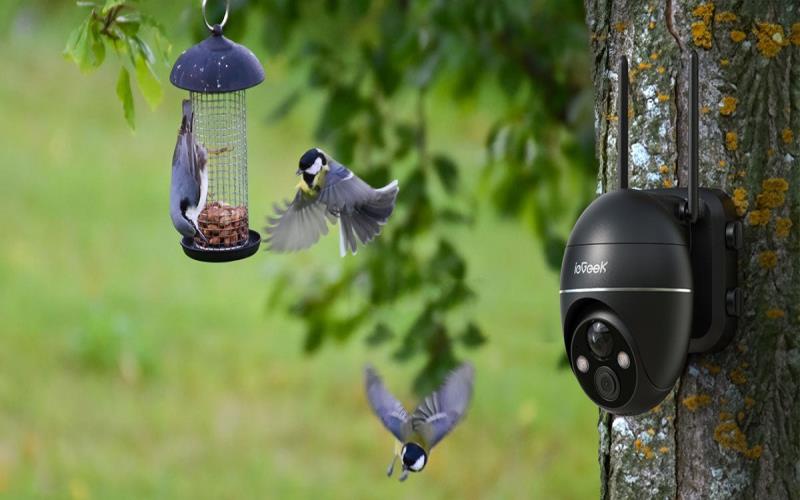
In recent years, the rise of feeder cameras has brought an exciting and innovative twist to wildlife observation. These cameras, designed to be placed near bird feeders or wildlife feeding stations, allow nature enthusiasts to observe and document the activities of animals up close. Whether you’re a seasoned birdwatcher or simply interested in capturing the beauty of wildlife in your backyard feeder cameras provide a unique opportunity to see creatures in their natural habitat. This article will explore the benefits, features, and factors to consider when choosing a feeder camera for your home or outdoor space.
Understanding Feeder Cameras and Their Purpose
Feeder cameras are specially designed devices that capture high-quality video or images of wildlife as they approach feeding stations. These cameras are typically positioned near bird feeders, hummingbird stations, or even backyard wildlife feeders that attract a variety of animals. The primary purpose of these cameras is to allow users to watch animals in their natural environment without disturbing them. Whether you’re interested in monitoring bird species, observing squirrel antics, or capturing the movements of nocturnal creatures, feeder cameras provide a non-intrusive way to connect with nature.
Types of Feeder Cameras Available
When shopping for a feeder camera, it’s essential to understand the different types available. The most common types include trail cameras, bird feeder cameras, and wildlife cameras. Each type is designed to capture footage of different species and environments. Trail cameras, for example, are built for more rugged outdoor use and are commonly employed for capturing wildlife in remote areas. Bird feeder cameras are specifically designed to focus on birds and are often equipped with features like wide-angle lenses and high-definition video. Wildlife cameras, on the other hand, can be used for a variety of animals, including mammals, birds, and even insects. Understanding your needs will help you choose the right camera for your intended purpose.
Camera Features to Look for in Feeder Cameras
When choosing a feeder camera, there are several important features to consider. Resolution is a critical aspect, as high-definition (HD) or 4K cameras provide clear, detailed images of the wildlife in your area. A higher resolution will allow you to see small details, such as the color patterns on birds or the movement of insects. Motion detection is another feature worth considering, as it helps save storage space by recording only when there is movement, preventing you from wasting memory on empty footage. Cameras with night vision capabilities are also highly beneficial, especially for observing nocturnal animals like owls, raccoons, or other nighttime visitors.
Placement and Mounting Options for Feeder Cameras
Proper placement and mounting are essential for ensuring the success of your feeder camera. Whether you’re using a bird feeder camera or a general wildlife camera, you want to position it in a way that provides the best possible footage. Most feeder cameras come with adjustable mounts or mounting brackets that allow you to attach them to trees, posts, or even directly onto a bird feeder. It’s important to consider factors like the camera’s angle, field of view, and proximity to the feeding station. Additionally, the height of the camera should be adjusted depending on the animals you wish to observe. A well-placed camera will provide you with clear and consistent footage, making your wildlife observation experience more enjoyable.
Connectivity and Storage Solutions for Feeder Cameras
In today’s digital age, many feeder cameras offer Wi-Fi connectivity, allowing users to stream footage live to their smartphones or computers. This feature is especially useful for individuals who want to monitor wildlife activity remotely, without being physically present. Some models come with cloud storage options, which automatically upload your footage for easy access from any device. Alternatively, many cameras use SD cards to store footage locally, and users can remove the card to transfer the videos to their computers. It’s important to choose a camera with a reliable connectivity option that suits your preferences for storage and remote monitoring.
Battery Life and Power Considerations
Feeder cameras are typically battery-powered or use rechargeable batteries. One of the most important factors to consider when choosing a feeder camera is battery life, especially if you plan to leave the camera running for extended periods. Some models offer long-lasting batteries that can last for months, while others require frequent recharging. For outdoor use, it’s a good idea to select a camera with low-power consumption or one that uses solar power for continuous operation. Additionally, consider the ease of replacing or recharging the batteries. Some cameras use proprietary batteries, while others use standard options like AA or rechargeable lithium-ion batteries.
The Benefits of Using Feeder Cameras for Observation
Feeder cameras offer a variety of benefits for wildlife enthusiasts. One of the most significant advantages is the ability to observe wildlife in its natural environment without causing disruption. The cameras provide an unobtrusive way to witness animal behavior, from feeding habits to mating rituals, without disturbing their activities. For birdwatchers, feeder cameras allow you to identify different bird species and capture moments that might otherwise go unnoticed. Wildlife enthusiasts can also enjoy the thrill of spotting rare animals or observing nocturnal creatures that are often difficult to see in person. Additionally, feeder cameras provide valuable data for researchers and conservationists studying wildlife behavior and population trends.
Choosing the Right Feeder Camera for Your Needs
Choosing the right feeder camera involves assessing your specific needs, budget, and the features that are most important to you. If you’re primarily interested in observing birds, a bird feeder camera with high-resolution video, wide-angle lenses, and motion detection features would be ideal. For those who want to capture a broader range of wildlife, a general wildlife camera with night vision, a longer battery life, and remote connectivity might be the best option. Don’t forget to consider factors like ease of installation, weather resistance, and storage options. By carefully evaluating the features and specifications of different models, you can find the perfect camera for your wildlife observation needs.
Conclusion
Feeder cameras are an excellent tool for anyone interested in observing wildlife from the comfort of their home. They offer a unique opportunity to capture intimate footage of animals feeding, interacting, and living in their natural habitat. Whether you’re an avid birdwatcher or a casual nature lover, a feeder camera can enhance your connection with the natural world. By choosing the right camera for your needs and considering factors like resolution, battery life, and placement, you can enjoy the thrill of wildlife observation and gain a deeper appreciation for the animals that share our planet. With feeder cameras, the beauty of nature is always just a click away.