Understanding Plumbing Costs: What You Need to Know
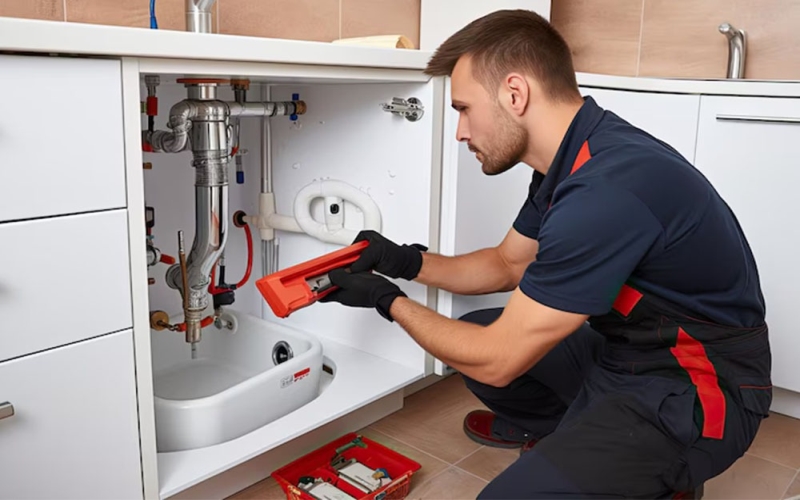
No matter what type of home you live in, how new it is, how well you take care of it, or the level of quality that went into its construction, you’ll most likely experience problems at times. Any number of things can go wrong in a home from structural issues to malfunctioning appliances and beyond. Of course, plumbing problems are common as well. Like many issues, they need to be resolved as quickly and effectively as possible to prevent further damage, unnecessary frustration, and even potential safety concerns.
Taking a Closer Look at Plumbing Costs
Like most people, you’re probably conscious of the costs of home services and repairs. After all, almost everyone has a budget to work with. Because of that, understanding the potential costs of plumbing services before contacting a plumber is essential. It’ll prevent unpleasant surprises and help you to plan and budget appropriately. Consider some of the factors that go into determining the costs of plumbing services and the general prices you can expect.
Parts and Labor
Parts and labor are the most significant costs involved in plumbing services. They cover plumbers’ time, effort, and expertise as well as the components needed to resolve your plumbing issues. Fully licensed and certified plumbers with ample experience and specific specialties may charge more than those who have less training and experience in the field. Still, that higher price may give you more effective and efficient repairs. As you might expect, high-quality parts cost more than cheaply made generic ones. That being said, they often last longer and require fewer repairs and replacements after the fact.
Complexity of the Job
Another factor that affects the cost of plumbing services is the complexity of the job. How much damage has been done, and what will it take to fix it? For example, unclogging a sink will cost far less than digging up and repairing a sewer line. Replacing a faulty heating element in a water heater will cost less than locating a leak underneath your home and resolving it. The amount of work plumbers have to do to fix your issue and how difficult the damage is to access factor into the equation here.
Additional Considerations
Other considerations may also come into play. Those include extra charges for emergency and after-hours services and the costs of additional tools or equipment the plumbers may need to buy or rent to complete the job. Any unexpected problems your plumbers face while completing the job may drive up the cost of their services as well. If you need special permits for a plumbing project, those will also cost extra.
General Plumbing Service Costs
Now, take a look at some general figures for plumbing services. First of all, a standard service call generally ranges from $50 to $150. From there, you have hourly rates. On average, plumbers charge about $100 per hour though some may charge half or twice that amount depending on various points. In terms of specific services, the costs of different jobs vary. Unclogging a drain may cost $100 to $275 while replacing a toilet may cost anywhere from $200 to $600. Fixing a leaky pipe may cost $150 to $850 whereas replacing a main water or sewer line may range from $2,000 to more than $10,000.
Determining Your Plumbing Service Costs
The cost of plumbing services varies greatly depending on numerous factors. Those include the type of job being done and how complicated it is; the parts, materials, and equipment needed; and whether you need services during or outside of normal business hours to name a few. That makes pinpointing specific costs exceedingly difficult.
Though some services can be quite costly, they can also help to prevent even more serious and expensive damage down the road. Be sure to work with a plumbing company that has a reputation for quality and trustworthiness to avoid being overcharged. Don’t be shy about asking for written quotes as well, so you can see a breakdown of the different charges for a specific job. Additionally, don’t overlook the value of routine maintenance in keeping repair and replacement costs to a minimum.