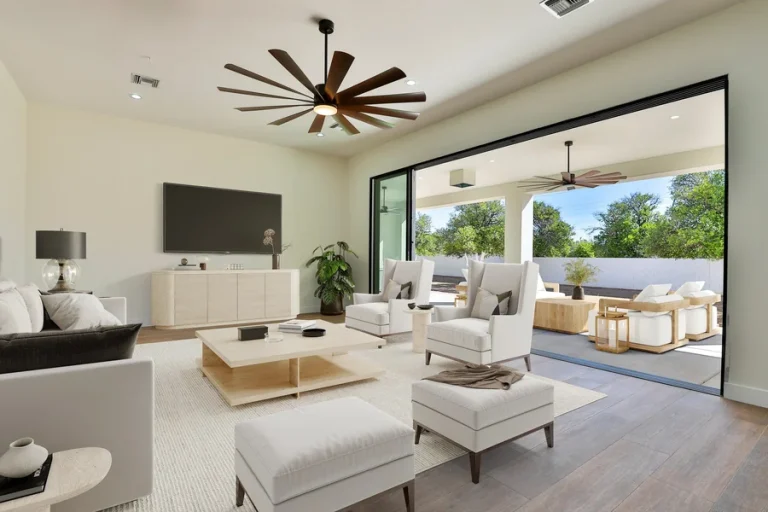
Introduction to Home Remodeling

Home remodeling is a vital aspect of homeownership that allows individuals to enhance their living spaces, adapt to changing needs, and increase property value. This comprehensive guide will explore the various facets of home remodeling, detailing the importance of planning, design considerations, and the execution process. Whether you’re considering a minor update or a complete overhaul, understanding the nuances of remodeling can significantly impact the outcome.
Definition and Importance of Home Remodeling
Home remodeling refers to the process of altering, renovating, or improving specific areas of a home. This can include anything from updating a kitchen or bathroom to adding new rooms or even making structural changes to the property. The importance of home remodeling lies not only in improving the aesthetic appeal of a space but also in enhancing functionality, increasing energy efficiency, and providing a fresh start for residents. It allows homeowners to tailor their environments to better suit their tastes and needs, fostering a sense of comfort and well-being.
Benefits of a Home Remodel
There are numerous benefits associated with home remodeling. Firstly, it can significantly increase the resale value of a property. Potential buyers are often drawn to homes that offer modern amenities and updated spaces, making it easier to sell at a higher price. Additionally, remodeling allows for improved energy efficiency, as older systems may be outdated and less effective. Upgrading insulation, windows, and HVAC systems can lead to lower utility bills, ultimately saving homeowners money in the long run.
Moreover, home remodeling can enhance the overall quality of life for residents. As family dynamics change, spaces can be redesigned to accommodate new needs, such as creating an office space for remote work or expanding a family room for gatherings. Lastly, remodeling presents an opportunity for homeowners to express their personal style and creativity, resulting in a living space that truly reflects their identity.
Planning Your Home Remodel
Setting a Budget
Before embarking on any home remodeling project, setting a realistic budget is crucial. This financial framework will guide the entire process, helping to prioritize projects and manage expenses effectively. Start by determining how much you can afford to spend, taking into account potential financing options if needed. It’s wise to include a contingency fund of about 10-20% of the total budget to accommodate unforeseen costs that may arise during the remodeling process.
Next, break down the budget into categories, such as labor, materials, permits, and design fees. This detailed allocation will not only help in monitoring expenditures but also in making informed decisions about where to cut costs or invest more. Additionally, it’s beneficial to research the average costs of different remodeling projects in your area, as this can provide valuable insights when determining your budget.
Choosing the Right Time for a Remodel
Timing can significantly influence the outcome of a remodeling project. Consider the season, as certain projects may be more feasible during particular times of the year. For example, exterior renovations are often best conducted during mild weather, while interior projects can occur year-round. Additionally, think about your personal calendar; scheduling a remodel during a period of minimal family activities can reduce stress and allow for smoother coordination with contractors.
Furthermore, be mindful of local market trends and economic conditions. Engaging in remodeling during a seller’s market may yield better returns on investment when you decide to sell, while a buyer’s market may offer opportunities to remodel without a rush, as demand for construction services may decrease.
Identifying Your Goals and Needs
Understanding your specific goals and needs is fundamental to a successful remodeling project. Begin by asking yourself what you hope to achieve with the remodel. Are you looking to create more space, improve functionality, or simply update the aesthetic appeal of your home? Clearly outlined objectives will serve as a foundation for your project and help guide design choices and budgeting decisions.
Additionally, consider the needs of all household members. Involving family members in the discussion can provide insights into what features will enhance daily living. For instance, if you have young children, a more durable and easy-to-clean material may be necessary. Alternatively, if you frequently entertain guests, an open-concept layout might serve your purposes better. Taking everyone’s needs into account will create a more harmonious and functional space.
Design Considerations for Your Home Remodel
Choosing a Style and Aesthetic
Designing your remodeled space involves selecting a style and aesthetic that resonates with your personal taste while also complementing the overall architecture of your home. Popular design trends include contemporary, traditional, farmhouse, and industrial styles — each offering unique characteristics and visual impacts. Research various styles and gather inspiration from magazines, online platforms, and social media to narrow down your preferences.
In addition to personal style, consider the functionality of the chosen design. For example, a minimalist approach may be visually appealing, but it also should accommodate your lifestyle needs. Ensure that the design facilitates comfort, accessibility, and usability while also being visually cohesive. Working with a designer can help translate your vision into practical solutions that reflect both beauty and functionality.
Space Planning and Layout
Effective space planning is vital for maximizing the utility of your remodeled area. Begin by assessing the existing layout and determining how different spaces interact with each other. A well-thought-out layout can enhance flow and improve usability. For example, in a kitchen remodel, creating a work triangle between the stove, sink, and refrigerator can enhance efficiency for meal preparation.
Consider open-concept layouts for living spaces, as they often create a sense of spaciousness and allow for better interaction among family members. However, also remember that closed layouts may suit some homes better, providing more defined spaces for various activities. Ultimately, the goal should be to create a layout that meets your needs while maintaining an inviting and functional environment.
Selecting Materials and Finishes
The materials and finishes chosen for your remodeling project can make a significant impact on both the aesthetic and durability of the space. Consider the maintenance level, longevity, and practicality of the materials. For example, while natural stone countertops may be visually stunning, they often require more upkeep than quartz or laminate options. Evaluate your lifestyle and choose materials that will not only look good but also withstand daily wear and tear.
Additionally, ensure that the selected materials complement the overall design and color scheme of your home. Mixing and matching finishes can create visual interest; however, be cautious of going overboard, as cohesion is essential. A well-curated selection of materials will enhance the beauty of the remodel while ensuring lasting quality.
Finding Professionals for Your Home Remodel
Hiring an Architect or Designer
Depending on the scale of your remodeling project, you may want to consider hiring an architect or designer. These professionals can provide invaluable expertise in creating functional and aesthetically pleasing spaces. They will help translate your vision into actionable plans, ensuring compliance with building codes and regulations. Moreover, an experienced designer can identify potential issues early in the process, saving both time and money down the line.
When selecting an architect or designer, review their portfolios and seek recommendations from friends or reviews to ensure a good match for your style and project requirements. It’s essential to establish a clear line of communication and discuss your budget, timeline, and expectations upfront to foster a productive working relationship.
Choosing a Contractor
Choosing the right contractor is one of the most critical steps in the remodeling process. A skilled contractor will not only manage the day-to-day aspects of the project but also coordinate with subcontractors, handle permits, and ensure the work adheres to local building codes. Start by gathering referrals and conducting interviews to find a contractor who possesses the necessary experience and aligns with your vision.
During the hiring process, request references from previous clients and check their standing with local licensing boards. It’s important to discuss timelines, warranties, and payment schedules in detail to avoid misunderstandings later on. A good contractor will also be transparent about their process and willing to answer any questions you may have.
Working with Subcontractors
Many remodeling projects require the expertise of subcontractors, such as electricians, plumbers, and carpenters. It’s essential to ensure that these professionals are licensed, insured, and experienced in their respective fields. Often, your general contractor will hire and manage subcontractors, but it’s beneficial for homeowners to remain informed about who is working on their project.
Communication with subcontractors is vital. Ensure that everyone involved understands the project scope and timeline to mitigate delays and confusion. Regular check-ins with your contractor will also provide insight into the progress being made and any necessary adjustments that should be addressed.
Execution of the Home Remodel
Project Management and Timeline
Effective project management is key to a successful home remodel. As the project commences, it is essential to establish a clear timeline that outlines major milestones, deadlines for decisions, and completion dates for various phases of the work. This structured approach enables both homeowners and contractors to stay on track and anticipate delays.
Keep in mind that timing can be affected by various factors, including weather conditions, material availability, and labor schedules. Flexibility is important, as unexpected delays can arise. Regular communication with your contractor can help keep the project moving smoothly and ensure that everyone is aligned on the timeline.
Communication with Your Team
Clear communication with your remodeling team is vital throughout the project. Schedule regular meetings and updates to discuss progress, address concerns, and make any necessary adjustments. It is essential to maintain an open line of communication, where team members feel comfortable voicing any issues or suggestions. This collaborative approach fosters a positive working environment and can lead to more satisfactory outcomes.
Utilizing project management tools or apps can enhance communication efficiency, allowing for easy sharing of updates, plans, and adjustments. By keeping everyone informed, you can mitigate potential misunderstandings and ensure a cohesive effort toward achieving the project goals.
Dealing with Unexpected Challenges
In the world of home remodeling, challenges are often inevitable. From discovering hidden issues like mold or structural damage to dealing with supply chain delays, it’s essential to approach setbacks with a problem-solving mindset. When unexpected challenges arise, consult with your contractor and assess the situation together to determine the best course of action.
Being adaptable and open-minded can help navigate these issues without compromising the overall vision of the project. Consider potential alternatives and weigh their impact on the timeline and budget. Ultimately, maintaining a positive attitude and focusing on solutions will lead to a more successful remodeling experience.
Post-Remodel Considerations
Final Inspections and Walkthroughs
After the completion of your remodeling project, conducting final inspections and walkthroughs is essential to ensure that everything has been finished to your satisfaction. Involve your contractor in this process to address any remaining tasks or touch-ups. This final assessment allows you to verify that all work meets the agreed-upon standards and adheres to building codes.
During the walkthrough, take the time to note any areas that require adjustments or corrections. It’s important to communicate these findings promptly to your contractor to ensure that any lingering issues are resolved. A thorough inspection will provide peace of mind, knowing that your home is not only visually appealing but also safe and functional.
Home Maintenance After a Remodel
Once your remodeling project is complete, it’s essential to establish a maintenance routine to preserve the integrity of your updated spaces. Regular upkeep will not only extend the lifespan of the materials and finishes but also keep your home looking fresh and inviting. This includes routine cleaning, checking for signs of wear and tear, and addressing minor repairs before they escalate into more significant issues.
Consider setting seasonal reminders for tasks like gutter cleaning, HVAC system checks, and inspecting caulk and seals around windows and doors. By remaining proactive in maintenance, you can protect your investment and enjoy your newly remodeled space for years to come.
Celebrating Your New Space
After all the planning, hard work, and potential challenges, it’s time to celebrate your newly remodeled home! Take the opportunity to gather friends and family for a housewarming event to showcase your transformed space. This gathering not only allows you to share the results of your labor but also creates lasting memories in your newly designed environment.
Additionally, consider documenting the journey through photographs or a blog to capture the transformation. Reflecting on the before-and-after can provide a sense of accomplishment and may inspire others to embark on their own remodeling ventures. Embrace your new space and enjoy the comfort and functionality it brings to your daily life.
Conclusion
Reflecting on the Home Remodel Journey
Home remodeling is a multifaceted journey that requires careful planning, creative design, and effective execution. By considering your objectives, setting a budget, and maintaining clear communication with professionals, you can navigate the complexities of remodeling with confidence. Each step of the process contributes to a final product that not only enhances your living space but also enriches your daily life.
Encouraging Future Home Improvements
As you enjoy your newly remodeled home, keep in mind that home improvement is an ongoing journey. Trends and personal preferences may evolve, leading to new opportunities for updates and enhancements. Stay open to the idea of future projects and continuous improvements, as these efforts can further elevate your space and adapt it to your ever-changing needs.
FAQs
What is the average cost of a home remodel?
The average cost of a home remodel can vary significantly based on the scope and scale of the project. Minor renovations may cost a few thousand dollars, while extensive remodels can reach tens of thousands or more. It’s essential to establish a budget that aligns with your remodeling goals.
How long does a typical remodel take?
The duration of a remodel depends on various factors including the size of the project, complexity of the work, and availability of materials. On average, minor renovations may take a few weeks, while major remodels can take several months to complete. Proper planning and communication with your contractor can help establish a realistic timeline.
Do I need permits for home remodeling?
In most cases, permits are required for significant remodeling projects, particularly those involving structural changes, electrical work, or plumbing. Check with your local building department to determine the specific requirements for your project and ensure compliance with local regulations.
Can I live in my home during a remodel?
Living in your home during a remodel is possible, but it can be challenging. Depending on the extent of the work being done, certain areas of your home may be off-limits or unsafe. It’s essential to discuss your living arrangements with your contractor and plan accordingly to minimize disruption to your daily life.
What should I prioritize in my remodeling project?
Prioritizing your remodeling project depends on your specific needs and goals. Focus on areas that will significantly enhance your quality of life, improve functionality, or increase property value. Common priorities include kitchens and bathrooms, as they tend to yield high returns on investment.