The Greatest Football Clubs and How Their Best Players Shaped the Sport
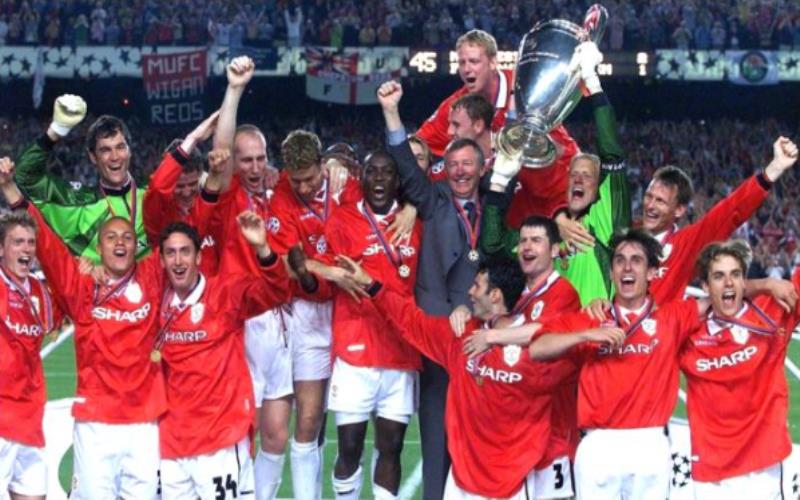
Football, or soccer as it is known in some countries, is the most popular sport Ina Togel in the world, with an estimated 4 billion fans globally. The sport has evolved dramatically over the decades, and this evolution can largely be attributed to the iconic football clubs and the legendary players who have donned their jerseys. These clubs have not only shaped the culture of the sport but also set the standard for excellence in both domestic and international competitions. This article will explore the greatest football clubs in history and analyze how their best players have helped define the sport and leave a lasting legacy.
1. Real Madrid: The Kings of European Football
Founded in 1902, Real Madrid is widely considered one of the most successful and influential football clubs in history. The club has an unmatched record in European competitions, having won a record 14 UEFA Champions League titles, including five consecutive wins from 1956 to 1960. Their success can largely be attributed to the presence of several footballing legends over the decades.
Alfredo Di Stefano:
One of Real Madrid’s most iconic figures, Alfredo Di Stefano is often credited with being one of the most influential players in the history of the club. Di Stefano’s versatility and vision on the field allowed him to play in almost every attacking position. His leadership helped Real Madrid dominate the European Cup (now the UEFA Champions League) in the 1950s, paving the way for the club’s sustained success in the competition.
Cristiano Ronaldo:
Fast forward to the modern era, and Cristiano Ronaldo is undoubtedly one of the best players to ever play for the club. Ronaldo’s incredible goal-scoring abilities, fitness, and relentless drive helped Real Madrid achieve incredible success in the 2010s. His presence helped the club win four Champions League titles in five years (2014, 2016, 2017, and 2018). Ronaldo is Real Madrid’s all-time leading scorer, further cementing his place in the club’s history.
2. FC Barcelona: A Legacy of Technical Brilliance
FC Barcelona, established in 1899, has long been synonymous with attacking football, skill, and technical brilliance. The club’s commitment to a distinct playing philosophy known as “tiki-taka,” characterized by short passes and maintaining possession, has influenced global football. Barcelona’s success is partly due to its development of home-grown talent through its famed La Masia academy.
Johan Cruyff:
Perhaps the most significant player in Barcelona’s history, Johan Cruyff not only shaped the club’s playing style but also transformed European football as a whole. Cruyff’s understanding of space, movement, and his visionary playmaking ability left an indelible mark on Barcelona’s tactical philosophy. His time at Barcelona both as a player and a coach helped the club to a new level of tactical sophistication.
Lionel Messi:
Lionel Messi is without question one of the greatest footballers ever. His talent, vision, dribbling, and finishing have redefined what it means to be an attacking player. Messi was integral to Barcelona’s success during his 17-year tenure at the club, winning numerous La Liga titles, Champions League trophies, and Ballon d’Or awards. Messi’s style of play, often marked by close control and astonishing dribbling, set the standard for future generations of attackers and is central to Barcelona’s identity.
3. Manchester United: The Red Devils’ Triumphs
Manchester United has long been one of the most successful and recognizable football clubs in the world. Founded in 1878, the club’s rise to prominence began in the late 20th century under the leadership of Sir Alex Ferguson, one of the greatest managers the sport has ever seen. The club’s success is attributed to its ability to combine domestic dominance with consistent performances on the European stage.
Sir Bobby Charlton:
A World Cup winner and a Manchester United legend, Sir Bobby Charlton’s influence extends beyond the pitch. He played a pivotal role in the club’s recovery following the Munich Air Disaster in 1958 and was key to United’s success during the 1960s. His long-range shooting, playmaking ability, and leadership helped United to win several league titles and the 1968 European Cup.
Cristiano Ronaldo (again):
Cristiano Ronaldo’s first spell at Manchester United from 2003 to 2009 was where he began to establish himself as one of the greatest players in the world. Under the guidance of Sir Alex Ferguson, Ronaldo developed into a powerful winger and goal scorer, leading United to three Premier League titles and the 2008 UEFA Champions League. His performances in big games, particularly in the 2008 final against Chelsea, exemplified his immense talent.
4. AC Milan: The Red and Blacks of Italian Football
AC Milan, founded in 1899, is one of Italy’s most successful Inatogel 777 clubs and a force in European football. The club’s reputation for defensive solidity combined with flair and creativity has seen them win numerous Serie A titles and European trophies. AC Milan’s illustrious history has been marked by a series of legendary players who have shaped both the club and the sport.
Paolo Maldini:
One of the greatest defenders of all time, Paolo Maldini spent his entire career at AC Milan. Known for his leadership, tactical intelligence, and impeccable positioning, Maldini helped the club win numerous domestic and international titles, including five European Cups. His longevity and consistency set a benchmark for defenders around the world.
Marco van Basten:
Marco van Basten was a striker whose technical ability and clinical finishing helped elevate Milan to European glory. His partnership with Ruud Gullit and Frank Rijkaard in the late 1980s and early 1990s was instrumental in Milan’s dominance, particularly in their back-to-back European Cup victories in 1989 and 1990. Van Basten’s legacy is enshrined not just in his goals but in his role in a golden age of football for Milan.
5. Bayern Munich: German Efficiency and Power
Bayern Munich is one of the most successful clubs in Europe, founded in 1900 and known for its ruthless efficiency and organizational prowess. The club’s dominance of German football, with numerous Bundesliga titles and a rich history in European competition, has been matched by the emergence of some of the game’s best players over the years.
Franz Beckenbauer:
Regarded as one of the best players to ever grace the pitch, Franz Beckenbauer was instrumental in Bayern Munich’s success during the 1970s. As a sweeper, or “libero,” Beckenbauer revolutionized the role and played a pivotal part in Bayern’s three consecutive European Cup wins from 1974 to 1976. His elegance on the ball and leadership helped Bayern establish itself as a European powerhouse.
Robert Lewandowski:
In more recent years, Robert Lewandowski has become synonymous with Bayern Munich’s attack. The Polish striker’s goal-scoring exploits have broken numerous records, and his performances in the 2020 Champions League campaign, where Bayern triumphed, were key to their success. Lewandowski’s ability to score in nearly every match he plays has redefined the center-forward role in the modern game.
Conclusion: Shaping Football Through Legacy
The greatest football clubs in the world owe much of their success to the legendary players who have graced their ranks. These players have not only won titles and broken records but have also shaped the very fabric of the sport. Their styles, approaches, and leadership have inspired generations of fans and players alike.
Real Madrid, with its dynasties of the past and present, epitomizes the pursuit of excellence in European football. Barcelona’s commitment to technical play, championed by Johan Cruyff and Lionel Messi, has revolutionized the way football is played. Manchester United’s rise under Sir Alex Ferguson, coupled with the brilliance of players like Bobby Charlton and Cristiano Ronaldo, symbolizes the combination of grit, talent, and tactical acumen. AC Milan, through figures like Paolo Maldini and Marco van Basten, exemplified Italian football’s blend of defensive solidity and attacking flair. Finally, Bayern Munich, with icons such as Franz Beckenbauer and Robert Lewandowski, represents German football’s hallmark of efficiency and power.
As these clubs and their stars continue to inspire new generations of players, their legacies serve as a reminder of the enduring impact that football can have on both culture and sport. Their achievements and influence will remain etched in the annals of football history, shaping the game for years to come.