History of Crucifix Chain: Religious Roots to Modern Fashion
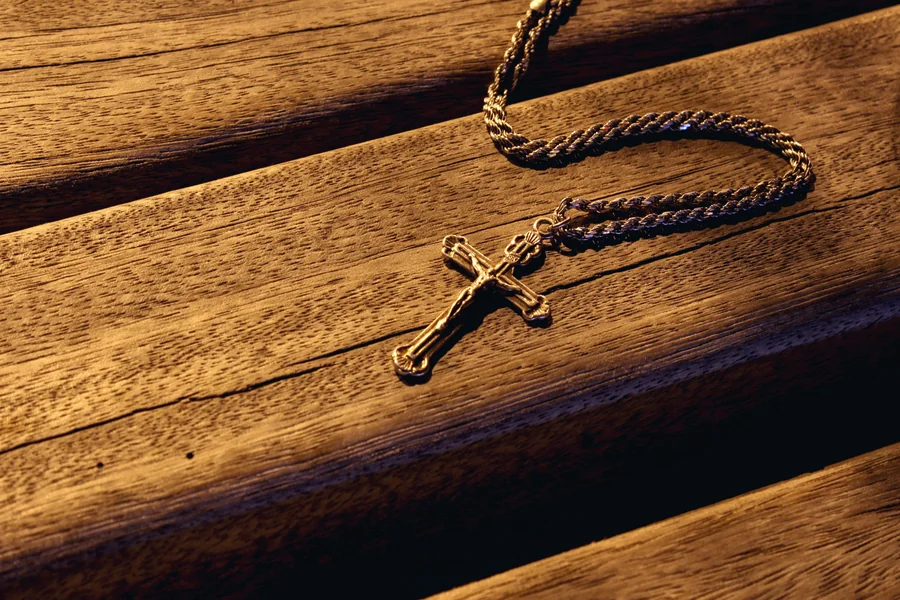
Something that my neighbor’s child asked me got me thinking. Asking, “Why do people wear tiny torture devices around their necks?” she pointed toward my crucifix necklace.
Brutal question from a 7-year-old, but she wasn’t wrong. The cross was literally an execution method. So why did it become the world’s most popular piece of religious jewelry?
The answer took me down a rabbit hole that spans 2,000 years. From secret Christian codes to Madonna’s scandals to today’s Jesus piece necklace trend in hip-hop. The History of the Crucifix Chain story is way weirder and more interesting than Sunday school ever taught us.
History of the Crucifix Chain
Early Christian Symbolism and Meaning
Here’s something that’ll blow your mind: Early Christians didn’t wear crosses. Think about it. Your savior just died on a cross. Would you wear a tiny electric chair around your neck? Probably not.
Instead, they used secret symbols like:
- Fish drawings (still see these on car bumpers)
- Simple geometric crosses without Jesus on them
- Hidden symbols carved into rings
Why the secrecy? Getting caught as a Christian in Roman times meant death. So they developed this whole underground symbol system.
The first actual crucifixes with Jesus’s body didn’t show up until around 400 AD. That’s when Christianity became legal, and people could finally wear their faith openly.
Evolution of Cross Jewelry in the Middle Ages
Medieval times are when crucifix jewelry got absolutely wild. Monks and rich people started commissioning pieces that were basically miniature works of art:
- Ivory-carved Jesus figures smaller than your thumb
- Secret compartments hiding tiny relics
- Precious stones arranged in complex patterns
- Chains made of interconnected mini crosses
The bigger your cross, the more important you were. Bishops wore massive pectoral crosses that basically screamed, “I’m in charge here.”
Different regions developed their own styles:
- Byzantine crosses: Elaborate, jewel-encrusted, looked like tiny thrones
- Celtic crosses: Those distinctive circles, very geometric
- Romanesque: Simple but elegant, focused on proportions
Craftsmanship and Materials Used Historically
Early Christians used whatever they could afford while staying hidden:
- Wood carved with basic tools
- Simple bronze or iron
- Anything that wouldn’t attract attention
But once Christianity went mainstream? The craftsmanship exploded. Medieval jewelers developed techniques we still use today:
- Filigree work: Tiny gold wires twisted into intricate patterns
- Cloisonné: Colored enamel separated by metal boundaries
- Granulation: Tiny gold balls fused onto surfaces
Some chains were so elaborate that each link was a separate piece of art. I’ve seen 12th-century examples where the chain itself tells Bible stories through tiny carved scenes.
Religious and Cultural Significance
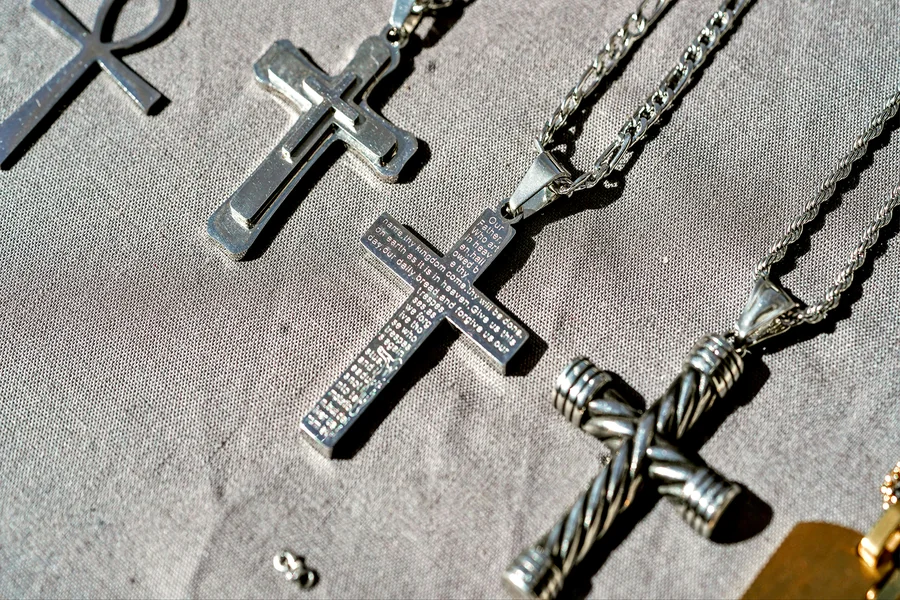
The Crucifix as a Statement of Faith
Wearing a crucifix has never been casual. It’s a declaration. You’re basically saying:
- “I believe Christ died for humanity’s sins.”
- “His crucifixion and resurrection define my worldview.”
- “I’m willing to publicly identify as Christian.”
That’s heavy stuff. Which is why some people get genuinely upset when crucifixes become pure fashion statements kaiyo furniture.
Symbolism in Catholic and Orthodox Traditions
Catholic and Orthodox Christians see crucifixes differently. Both traditions believe wearing a crucifix provides spiritual protection, and it shows in their jewelry:
Catholic style:
- Detailed depiction of Christ’s suffering
- Crown of thorns, wounds, anguished expression
- Focus on humanity and sacrifice
Orthodox style:
- Christ is shown as king and priest
- Emphasis on divinity over suffering
- Rich colors and geometric patterns
How Crucifix Jewelry Spread Globally
Christianity traveled everywhere, and local cultures put their own spin on cross designs:
- Spanish colonial Mexico: Indigenous motifs mixed with Christian symbols
- Ethiopian Orthodox: Unique iconographic styles reflecting local traditions
- Asian Christian communities: Cross designs using local metalworking techniques
The Crucifix Chain in Modern Fashion
From Sacred to Stylish – Changing Perceptions
The secularization of crucifix jewelry didn’t happen overnight.
Timeline of change:
- Renaissance: Wealthy non-Christians started wearing crosses for aesthetics
- 18th century: Crosses appeared in aristocratic jewelry collections as “exotic” pieces
- 20th century: Hip-hop culture adopted religious imagery for new meanings
The big shift: Crosses stopped being exclusively for Christians.
Today, my non-religious friends wear crucifix jewelry because they:
- Connect with themes of overcoming suffering
- Appreciate the craftsmanship and history
- Like the aesthetic without the theology
Celebrity Influence and Hip Hop Culture
Madonna changed everything in 1989. Her “Like a Prayer” video mixed sacred imagery with sexuality and controversy. Religious leaders condemned it. Young people embraced it. Suddenly, religious jewelry became rebellion instead of devotion.
Hip hop took it further:
- Rappers used crucifix jewelry to represent surviving hardship through faith
- The bling factor was secondary to symbolic weight
- It became about spiritual resilience, not necessarily orthodox Christianity
Key moments that shifted culture:
- Madonna’s layered crosses with lace gloves
- Tupac’s diamond-encrusted pieces symbolize spiritual struggle
- Kanye West’s controversial Horus chain is sparking Christian vs. Egyptian debates
Iconic Looks Featuring the Crucifix Chain
Certain crucifix moments transcend fashion and become cultural landmarks:
Madonna’s rebellion era:
- Multiple crosses layered together
- Mixed sacred and secular imagery
- Sparked global conversations about religion and art
Hip-hop’s golden age:
Madonna’s rebellion era and hip-hop’s golden age gave the cross new life. Today, men’s fashion continues to reinvent itself. In fact, modern style guides even highlight the best cross necklaces for men as both statement pieces and personal symbols of faith.
- Notorious B.I.G.’s Jesus pieces
- Jay Z’s Jacob the Jeweler commissions
- 50 Cent’s massive diamond crosses
Recent red carpet moments:
- Rihanna’s papal-inspired Met Gala look
- A$AP Rocky’s gothic cross collections
- Billie Eilish’s minimalist cross jewelry
Rise of the Jesus Piece Necklace
Origins in Hip Hop and Streetwear
The Jesus piece necklace emerged in the 1990s as hip hop’s unique take on Christian imagery.
Key differences from traditional crucifixes:
- Focused on Christ’s face, not his suffering
- Usually showed him crowned or triumphant
- Heavy diamond encrusting
- Projected success rather than sacrifice
Notorious B.I.G. popularized the style, but Jay Z made it luxurious. His pieces cost more than most people’s cars and started a trend that continues today. The message was clear: Faith and success aren’t mutually exclusive.
Cultural Symbol Beyond Religion
Modern Jesus pieces work as cultural identifiers beyond religious belief:
What they signal:
- Connection to hip-hop culture
- Appreciation for high-end craftsmanship
- Understanding of symbolic power
- Respect for artistic tradition
The controversy: When luxury brands sell $50,000 Jesus pieces to celebrities who treat them as pure fashion, questions arise about respect versus exploitation.
Why it matters: These pieces force conversations about faith, culture, and art. That social function might be their most important modern purpose.
Why the Jesus Piece Is Still Relevant Today
Contemporary Jesus piece designs address timeless human concerns:
- Suffering and redemption
- Identity and belonging
- Transcendence and hope
- Success and spirituality
Social media amplified their impact. Instagram posts featuring Jesus pieces get engagement from:
- Religious communities
- Jewelry collectors
- Fashion enthusiasts
The symbol bridges different audiences in ways that pure fashion pieces can’t achieve.
Styles and Variations of Crucifix Chains
Classic Gold and Silver Chains
Traditional proportions aren’t random:
- Cross typically 1.5-2 inches tall
- Chain long enough to position pendant over heart
- Based on centuries of religious symbolism
Material differences:
- Gold Jewellery: Suggests prosperity and permanence
- Silver: Implies humility and accessibility
- Alternative metals: Signal modernity and practicality
Chain styles matter:
- Byzantine chains: Complement ornate crosses
- Cable chains: Work better with minimalist designs
- Box chains: Provide security for heavy pendants
Diamond-Encrusted and Luxury Styles
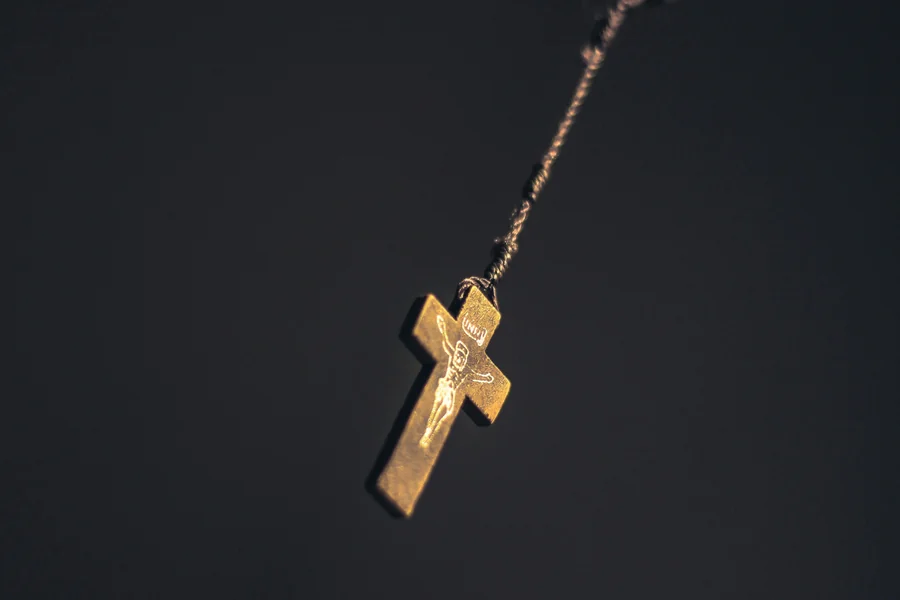
Diamond crucifix pendants range from $5,000 to $500,000+, depending on:
- Stone quality and size
- Craftsmanship complexity
- Designer reputation
- Historical significance
The challenge: Balancing bling with reverence.
Best luxury pieces:
- Use diamonds strategically
- Highlight the corpus or create halos
- Don’t overwhelm the symbol’s meaning
- Focus on craftsmanship over ostentation
Worst examples:
- Every surface diamond covered
- Symbol lost in excessive sparkle
- More about showing wealth than faith
Gender Neutral and Unisex Designs
Modern crucifix styles emphasize universal appeal:
Design principles:
- Cleaner lines
- Balanced proportions
- Versatile chain options
- Focus on spiritual significance over gender norms
Why this matters:
- Opens crucifix jewelry to broader audiences
- Emphasizes personal faith over social expectations
- Reflects cultural shifts toward inclusive spirituality
Choosing the Right Crucifix Chain
Matching Personal Style and Beliefs
- Crucifix should reflect faith, not only fashion
- Ask yourself: How visible do I want my cross to be?
- Traditional designs = deep connection to heritage
- Modern designs = fresh interpretation of faith
- Material matters: gold, silver, wood, or steel reflect different meanings
Visibility options
- Subtle cross tucked under clothing = private faith
- Prominent Jesus piece necklace = bold public declaration
- Medium-sized visible cross = balanced approach
Quality and Craftsmanship to Look For
Corpus (Jesus figure):
- Accurate anatomy
- Emotional facial expression
- Balanced proportions
- Smooth carving or casting
Chain construction:
- Hollow chains = lightweight, cheaper, less durable
- Solid chains = heavier, expensive, long-lasting
- Machine-made links = consistent but plain
- Hand forged links = unique, artistic character
Hallmarks and Identification:
- Purity stamp (e.g., 14k, 18k, 925)
- Brand or manufacturer mark
- Authenticity certificates or guarantees
- Contact details for aftercare or service
Tips for Buying Online Safely
Look for:
- Multiple angles showing all details
- Close-ups of corpus and chain connections
- Photos in different lighting conditions
- Accurate size references
Avoid listings with:
- Only glamour shots
- No construction details
- Unrealistic lighting
- Missing size information
Return policies matter:
- Look for 14+ day return windows
- Free return shipping if the item doesn’t match the description
- No restocking fees for religious jewelry
- Clear refund procedures
Research the seller:
- Do they understand religious significance?
- Are product descriptions accurate and respectful?
- Do they have religious knowledge and cultural sensitivity?
- What do reviews say about accuracy?
FAQ Section
What’s the difference between a cross and a crucifix necklace?
A cross is just the intersecting lines. A crucifix includes Jesus’s body (called the corpus). Catholics usually prefer crucifixes to show Christ’s sacrifice. Many Protestants prefer plain crosses to emphasize resurrection.
Can non-Christians wear crucifix chains?
It depends on your intentions. Wearing them purely as fashion can offend believers who see them as sacred. But respectful appreciation of the artistry and cultural meaning is usually okay, especially if you understand what the symbol represents.
How much should I spend on a quality piece?
Decent quality starts around $200-400 for solid silver or gold-filled. Solid gold ranges from $800-3000. Luxury diamond pieces can cost $10,000-100,000+. Buy the highest quality you can afford while staying in your comfort zone for daily wear.
What chain length works best?
Traditional length is 18-20 inches (positions cross over the heart). Shorter (16-18 inches) works for smaller crosses and layering. Longer (22-24 inches) suits bigger pendants and dramatic looks. Consider your body proportions and how you plan to wear it.
How do I care for vintage religious jewelry?
Avoid harsh chemicals and ultrasonic cleaners with old pieces. Use soft clothes and gentle cleaners. Store pieces separately to prevent scratching. Get antique pieces professionally inspected yearly. Never attempt repairs yourself – religious jewelry often needs specialized restoration.
Final Thoughts
My neighbor’s kid was onto something. Crucifixes are symbols of suffering transformed into hope. From secret Christian codes to hip-hop Jesus piece necklace culture, they’ve carried meaning across 2,000 years of human history.
The history of the crucifix chain shows how this symbol has evolved from early believers hiding their faith to modern fashion, where it’s worn proudly as both devotion and style. Whether you choose medieval-inspired pieces or modern interpretations, you’re joining a tradition that connects communities through shared symbolism.
The best crucifix chain feels like an extension of your spiritual journey — not a costume or investment. Your piece should tell your story. When that connection between symbol and soul clicks, you’ve found the right crucifix chain for your collection.