The Role Of Nutrition In Your Pet’s Health

Understanding your pet’s health begins with what they eat. Nutrition plays a direct role in their energy levels, immune system, and overall happiness. When you provide balanced meals, you help your pet maintain a healthy weight and reduce the risk of chronic illnesses. In Maple Valley, WA, pet owners often focus on pain management for pets in Maple Valley, WA. However, preventive care through good nutrition should not be overlooked. By choosing the right food, you give your pet a better chance at a long, comfortable life. It’s essential to know what ingredients are beneficial and which ones to avoid. This understanding can prevent issues like obesity and joint pain, common in pets lacking proper nutrition. Keep it simple: prioritize whole foods and minimal processing. Your pet depends on you to make these crucial choices. By doing so, you support their well-being every day.
The Basics of Pet Nutrition
Every pet needs a variety of nutrients to thrive. These include proteins, fats, carbohydrates, vitamins, and minerals. Proteins support muscle development and repair. Fats provide energy and help absorb vitamins. Carbohydrates offer quick energy, while vitamins and minerals bolster the immune system. Balance in these nutrients is key. Too much or too little of any can harm your pet.
Understanding Pet Food Labels
When shopping for pet food, labels can be confusing. It’s crucial to recognize the first few ingredients listed. Ideally, a named meat source should top the list, like chicken or beef. Avoid foods with fillers like corn or soy. These contribute little to nutritional value. Check for the statement from the Association of American Feed Control Officials (AAFCO). This assures a balanced diet for your pet.
Homemade vs. Commercial Pet Food
Many pet owners consider homemade diets. This option lets you control the ingredients. However, it’s vital to ensure the meals are balanced. Consult a veterinarian or a pet nutrition specialist. On the other hand, commercial pet foods are convenient and scientifically formulated. They offer the nutrients your pet needs. Whether choosing homemade or commercial foods, quality matters most.
Common Diet-Related Health Issues
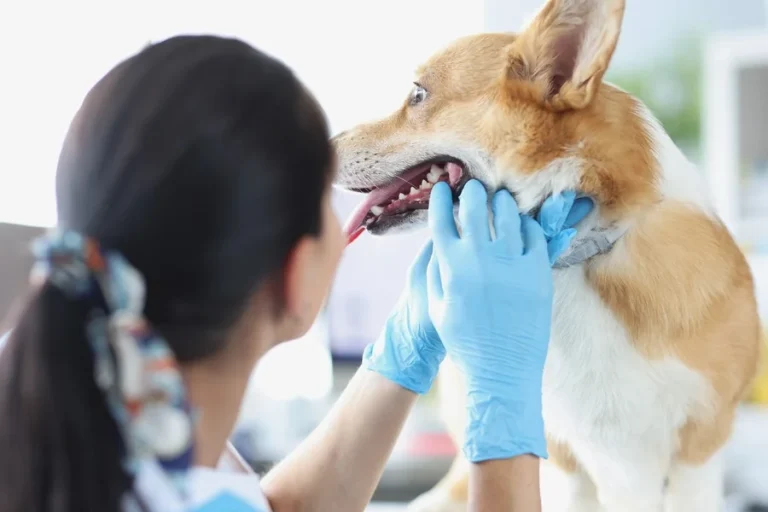
Poor nutrition leads to several health problems in pets. These include obesity, diabetes, dental issues, and skin conditions. Obesity is a growing concern, leading to decreased lifespan. A proper diet prevents weight gain and supports joint health. Dental health also benefits from a quality diet. Crunchy kibble can reduce plaque buildup. Fresh foods can improve coat shine and skin health.
Comparing Nutritional Needs: Dogs vs. Cats
Dogs and cats have different dietary needs. Dogs are omnivores. They thrive on a mix of meats and plant-based foods. Cats are obligate carnivores. They require more protein and specific nutrients like taurine. Here’s a simple comparison:
| Nutrient | Dogs | Cats |
|---|---|---|
| Protein | Moderate | High |
| Fats | Moderate | Moderate-High |
| Carbohydrates | Moderate | Low |
Steps to Improve Your Pet’s Diet
- Consult your veterinarian for dietary advice.
- Read and understand pet food labels.
- Avoid foods with artificial additives.
The Role of Fresh Water
Water is as critical as food. It aids digestion and nutrient absorption. Always provide fresh, clean water. Hydration prevents urinary issues and keeps your pet’s organs functioning well.
Conclusion
Nutrition is a cornerstone of your pet’s health. By making informed choices, you ensure your pet lives a vibrant and active life. Regular check-ups with your veterinarian, paired with a good diet, safeguard their health. For more information on pet nutrition, consider visiting the National Academies’ guide on pet nutrition. Prioritize their well-being through thoughtful dietary selections. Your pet’s happiness and longevity depend on it.