A Coastal Home Buyer’s Checklist For Florida’s Emerald Coast In 2026
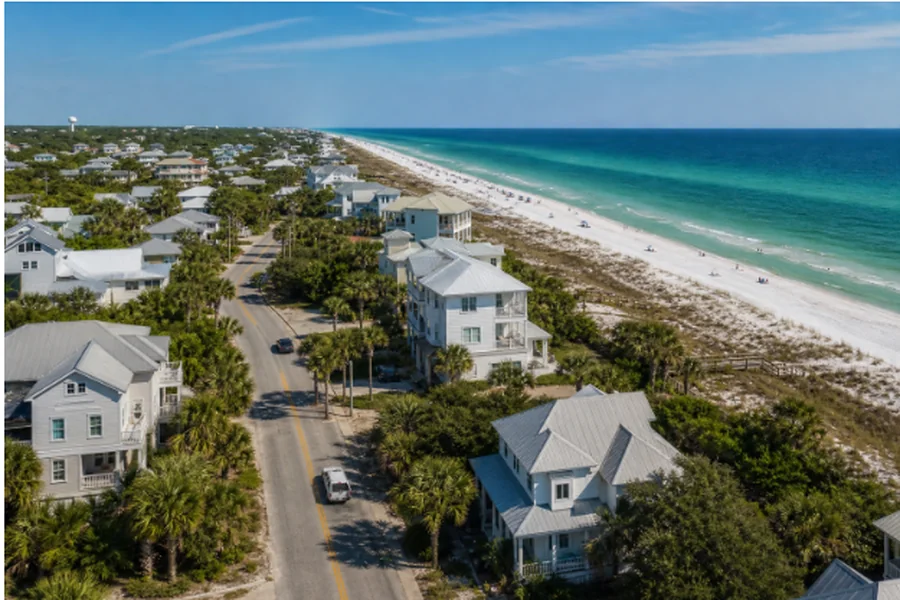
A Gulf view, a private dock, or a short walk to sugar-white sand can make a coastal listing feel like an easy decision. Yet two homes that appear similar online can have dramatically different insurance costs, flood exposure, maintenance needs, rental rules, and long-term value. The strongest purchase is not simply the prettiest property. It is the one that fits the buyer’s daily life, budget, and risk tolerance.
Buyers who need help comparing communities and properties can work with 30A Destin FL real estate agent India Lucious. India Lucious eXp Realty provides property-search tools, neighborhood information, buyer resources, and local real estate guidance for Destin, Miramar Beach, Panama City Beach, 30A, and nearby Northwest Florida communities. That local market focus can be valuable when a buyer needs to look beyond photos and ask the practical questions that shape coastal ownership.
Define Why You Are Buying
Start by identifying the property’s primary purpose. Is it a full-time residence, second home, vacation rental, future retirement home, or long-term investment? The answer affects the best location, ideal layout, financing approach, maintenance plan, insurance needs, and acceptable monthly cost.
Before touring, write down your three nonnegotiables. For example, a full-time buyer may prioritize medical care, grocery access, schools, and a quieter street. A second-home buyer may care more about lock-and-leave convenience. A rental buyer may need to confirm rental eligibility, parking capacity, and an efficient, guest-friendly floor plan.
Compare Communities Before Homes
The right neighborhood can matter more than the newest kitchen. Destin, 30A, Miramar Beach, and Panama City Beach each have distinct traffic patterns, beach access, seasonal activity, housing styles, and rental demand. Visit at more than one time of day if possible, including weekends and peak-season periods.
- How close are beaches, dining, shopping, medical services, schools, and airports?
- Is the area active year-round or heavily seasonal?
- Are short-term rentals permitted by the city, county, HOA, or condo association?
- How easily can you reach major roads during busy periods?
- Will the area still support your needs five years from now?
Check Flood Exposure, Elevation, and Drainage
A flood zone is important, but it is only one part of the risk picture. Review the current map designation, base flood elevation where available, elevation certificate, prior flooding or water intrusion, lot grading, and drainage around the home and nearby roads. Buyers can search an address through the official FEMA Flood Map Service Center before making an offer.
A lower-risk map zone does not guarantee that water will never enter a property. Heavy rain, drainage failures, storm surge, and nearby water conditions can all affect a home. Ask the seller for relevant repair records, insurance claims history when available, and details about any water-management improvements.
Get Insurance Quotes Before You Commit
Treat insurance as part of the purchase price, not a last-minute contract detail. Request estimates early from a licensed Florida insurance professional and compare homeowners coverage, flood coverage, windstorm terms, hurricane deductibles, roof requirements, and coverage for features such as pools, docks, seawalls, and personal property.
Two homes a few blocks apart may produce very different premiums. Construction year, elevation, roof age and condition, wind-resistant features, prior claims, and distance from water can all influence availability and cost. Read the deductible carefully so you understand the amount you could pay after a covered hurricane loss.
Inspect Storm-Resistant Features and Major Systems
Ask about construction date, permit history, roof replacement records, and storm upgrades. Useful features may include impact-rated windows and doors, shutters, reinforced garage doors, roof-to-wall connections, secondary water protection, and elevated living areas. For an older home or one with incomplete documentation, a wind mitigation inspection may help identify protective features.
Salt air, humidity, and severe weather can accelerate wear on major systems. Schedule a comprehensive inspection, and consider specialists when warranted. Pay close attention to:
- Roof age, condition, flashing, and signs of leaks
- HVAC age, service history, corrosion, and drainage
- Electrical panels, outlets, surge protection, and generator equipment
- Plumbing leaks, moisture, mold, ventilation, and wood damage
- Permits and final approvals for substantial repairs or additions
Look Closely at Waterfront and Association Details
“Waterfront” can mean Gulf frontage, bay frontage, a canal, a lake, or simply a water view. If boating is central to the purchase, verify low-tide depth, bridge clearance, dock condition, lift capacity, seawall age, permits, and travel time to open water. A beautiful dock may not suit your boat or your intended use. A marine surveyor or experienced local captain can provide a useful perspective.
For homes in an HOA or condominium, request the declaration, rules, budget, meeting minutes, insurance information, reserve details, and notices of pending assessments. Confirm policies on rentals, pets, parking, exterior modifications, boat storage, and storm preparation. A low monthly fee can be misleading if major repairs, underfunded reserves, or future assessments are possible.
Build the Full Ownership Budget
Do not compare homes by mortgage payment alone. Estimate principal and interest, property taxes, homeowners and flood insurance, HOA or condo fees, utilities, lawn or pool care, maintenance reserves, home-watch services, and rental management if applicable. Keep a separate emergency reserve for major repairs to the roof, HVAC, water, storm, dock, or seawall.
For example, a lower-priced home may become the more expensive choice if it needs higher insurance coverage, frequent maintenance, costly association fees, or immediate roof work. Ask for realistic estimates based on the specific property rather than relying on a general percentage.
Confirm Rental Rules and Complete Due Diligence
Never assume a coastal property can be rented short-term. Verify local zoning, licensing, occupancy limits, parking requirements, noise rules, taxes, and association restrictions. If rental income is part of the plan, use conservative projections that account for vacancy, cleaning, management, repairs, platform fees, insurance, and seasonal demand fluctuations.
Pre-Offer Checklist
- Confirm flood, elevation, drainage, and insurance information.
- Review recent comparable sales, taxes, permits, repairs, and claims history.
- Read HOA or condo documents and verify rental rules.
- Schedule appropriate home, roof, wind mitigation, and waterfront inspections.
- Calculate the full monthly and annual ownership cost.
- Use inspection and financing terms that match your comfort level.
Final Takeaway
Coastal ownership is not automatically a high-risk choice, and new construction is not automatically the best choice. Elevation, location, construction quality, maintenance history, insurance terms, association health, and price all matter. The best Emerald Coast home is the one that supports your lifestyle while leaving room in the budget for the realities of owning near the water.