Budget-Friendly Fence Options for Homeowners in 2025
Fencing plays a crucial role in enhancing privacy, security, and curb appeal, but it doesn’t have to break the bank. In 2025, homeowners have more affordable and stylish options than ever before, making it easier to find the perfect balance between functionality and budget.
With advancements in materials and design, budget-friendly fences now offer durability and aesthetic appeal that rival their pricier counterparts. Whether it’s for a backyard, garden, or property line, there’s a cost-effective solution to suit every need and style preference.
Cheapest Fence Materials Available in 2025 and Their Pros & Cons
Chain Link Fences
Chain link fences rank among the most affordable options. These fences are made from interwoven steel wires, providing durability at a low price point. They are ideal for marking property boundaries or securing yards economically.
- Pros: Low-cost, minimal maintenance, quick installation.
- Cons: Limited privacy, less aesthetic appeal compared to wood or vinyl.
Wood Panels
Wood panels, including options like Cedar Rustic fencing, offer a natural and timeless look. In 2025, prefabricated wood panels reduce labor costs and simplify installation. Cedar wood, known for its resistance to decay, remains highly popular for budget-conscious homeowners.
- Pros: Customizable finishes, eco-friendly, enhances curb appeal.
- Cons: Regular maintenance required, susceptible to weathering without treatment.
Vinyl Fencing
Vinyl is a cost-effective and durable alternative to wood. Recent advancements have made vinyl fencing more affordable while maintaining its reputation for requiring minimal upkeep. It’s available in various colors and designs.
- Pros: Low maintenance, weather-resistant, long-lasting.
- Cons: Higher upfront cost compared to chain link or wood, potential cracking in extreme temperatures.
Bamboo Fences
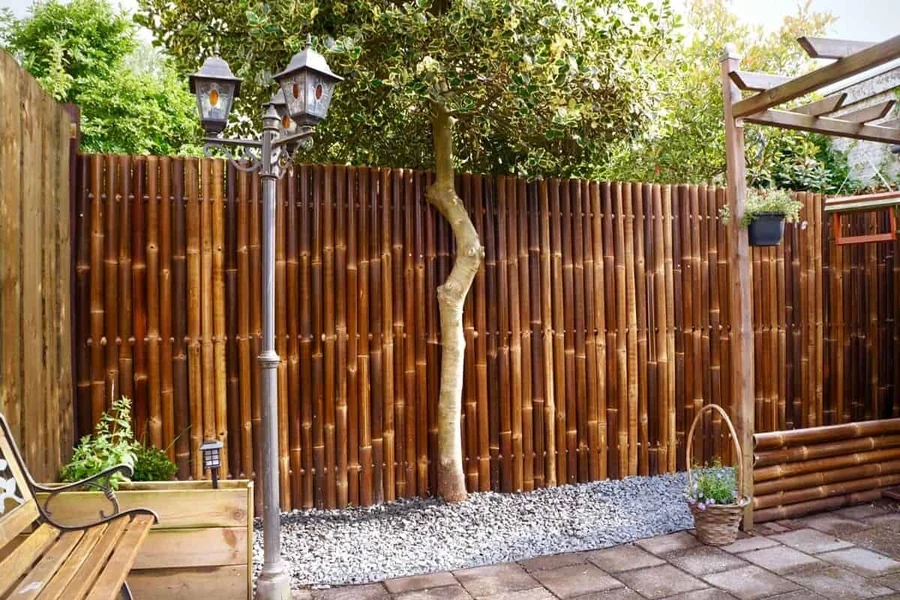
Bamboo fencing, a sustainable option, gained popularity due to its low cost and eco-friendly nature. Prefabricated bamboo rolls simplify the Affordable Fence Installation process for residential properties.
- Pros: Renewable material, lightweight, easy to install.
- Cons: Limited durability, potential pest issues, unsuitable for extreme climates.
Welded Wire Fencing
Welded wire fences provide a strong and economical solution for securing gardens or small pets. These fences combine affordability with functionality, making them an increasingly common choice among homeowners in 2025.
- Pros: Budget-friendly, durable, corrosion-resistant coatings available.
- Cons: Minimal privacy, industrial appearance.
Recycled Composite Fencing
Composite fences made from recycled plastics and wood fibers have become a budget-friendly alternative. The use of sustainably sourced materials adds to their appeal for eco-conscious homeowners when installed by a dallas fence company.
- Pros: Low-maintenance, environmentally friendly, long-lasting.
- Cons: Limited color choices, higher initial cost than basic wood or chain link.
These choices provide homeowners with practical and cost-effective fencing solutions while addressing diverse needs for security, privacy, and aesthetic preference.
DIY vs. Contractor Pricing: How Much You Can Save in Labor
Labor costs significantly impact the total expense of fence installation. Opting for a DIY approach can reduce this portion of the budget. Contractors typically charge $30 to $50 per hour, with total labor costs averaging $1,500 to $4,000, depending on the project size and complexity. In contrast, homeowners completing the installation themselves only invest in tools and personal time, cutting labor expenses entirely.
Time is a crucial consideration. A contractor completes a standard fence, such as a cedar rustic or chain link fence, within 2 to 5 days on average, providing expert precision. DIY installations take longer, often 5 to 10 days, as homeowners handle learning curves and tackle installation challenges.
Quality is another factor that differentiates DIY and contractor services. Contractors bring expertise to ensure secure, durable fences but at a higher cost. DIY fences may save money but can result in errors, especially with affordable fence installation materials like wood panels or vinyl. Weighing these variables helps homeowners choose the most cost-effective path for their needs.
Affordable Styles: Picket, Privacy, and Split Rail Compared
Picket fences, privacy fences, and split rail fences offer affordable options for various homeowner needs. These styles differ in design, functionality, and cost, allowing homeowners to find solutions that balance aesthetics and budget.
Picket Fences
Picket fences provide a classic, decorative look while defining property boundaries. Typically made from cedar, vinyl, or treated wood, they are affordable and easy to install. Cedar rustic picket fences are popular due to their natural appearance and resilience to weather. However, picket fences are not ideal for complete privacy as they feature gaps between slats.
Privacy Fences
Privacy fences are designed for seclusion and noise reduction, making them ideal for urban or suburban settings. Wood privacy fences, when constructed from cedar or treated pine, offer durability and an aesthetic natural finish. Vinyl privacy fences, while more expensive upfront, require minimal maintenance. Affordable fence installation costs for these types vary based on height and material but generally fall between $15 and $45 per linear foot.
Split Rail Fences
Split rail fences suit properties with larger outdoor spaces or rustic landscapes. These fences offer a minimalist, open design and require fewer materials, lowering costs. Split rail styles often use treated wood or wood composites for affordability and longevity. This option is not suitable for privacy-focused homeowners but works well for defining boundaries and creating a rustic look.
Each style meets specific needs, from decorative boundaries to secluded spaces, making them practical and cost-effective for homeowners in 2025.
Fastest-to-Install Fence Types for Tight Schedules
Prefabricated vinyl panel fences install quickly due to their lightweight construction and modular design. Panels snap or slide into place, reducing assembly time. These fences also require minimal tools, making them suitable for DIY projects. While the upfront cost is higher, their durability and low maintenance justify the investment.
Chain link fences are another speedy option, often completed within a day by professionals. These fences involve only setting posts and attaching pre-made mesh rolls. They are popular for affordability and functionality, though they lack privacy features unless paired with slats or coverings.
Bamboo roll fences are convenient for tight schedules. Homeowners attach these rolls to an existing structure or lightweight frame, significantly shortening installation time. These eco-friendly fences provide a natural aesthetic but may need additional treatment for extended durability.
Split rail fences, especially in cedar rustic styles, are ideal for quick, affordable fence installation in larger properties. Pre-cut wooden rails fit into posts with minimal effort, simplifying the process. These fences are visually appealing and functional for defining boundaries, though they don’t offer privacy.
Where to Source Budget Fence Materials Without Sacrificing Quality
Local Home Improvement Stores
Big-box retailers and local hardware stores provide affordable fencing materials suitable for various styles, including cedar rustic and chain link options. They often offer volume discounts on wood panels, vinyl sections, and related supplies, making them ideal for DIY projects. Shopping locally allows homeowners to inspect materials for quality before purchase.
Online Marketplaces
E-commerce platforms like Home Depot, Lowe’s, and Amazon carry fencing materials at competitive prices, including privacy and split rail fences. Buyers can compare multiple vendors, leverage seasonal sales, and read product reviews to ensure durability. Shipping costs may apply based on order size and delivery location.
Salvage Yards and Reclaimed Material Facilities
Salvage yards often stock repurposed wood, metal, and composite fencing at significantly reduced costs. These options support environmentally friendly practices and cater to homeowners seeking affordable fence installation alternatives. Inspect materials closely to confirm they meet construction standards.
Wholesale Suppliers
Some wholesalers offer fencing materials in bulk at lower per-unit costs. Styles like picket cedar rustic panels and welded wire fencing are commonly available. Homeowners undertaking large projects can save substantially by sourcing from these suppliers.
Community Marketplaces
Platforms like Craigslist or Facebook Marketplace allow homeowners to find gently used fencing materials locally. Items like bamboo rolls, vinyl panels, and wood planks are frequently listed at affordable prices. It’s essential to verify the condition of materials before committing.
Local Contractors with Overstock
Contractors often sell surplus fencing materials at discounted rates. Homeowners can check with local fence installers for extra wood, vinyl, or wire supplies remaining from completed jobs, ensuring cost-efficiency and availability of high-quality products.
Weather-Resistant Budget Options for Harsh Midwest Conditions
Homeowners in the Midwest face challenges from extreme weather conditions, including heavy snowfall, strong winds, and temperature fluctuations. Choosing weather-resistant, cost-effective fencing helps ensure durability and longevity in these environments.
Cedar Rustic Fences
Cedar wood offers natural resistance to rot and insects, making it a popular choice for harsh Midwest climates. Its rustic appearance complements both traditional and modern homes while being more affordable than premium hardwoods. Staining or sealing cedar enhances its resistance to moisture and extends its lifespan. Cedar fences typically cost $15 to $30 per linear foot, striking a balance between affordability and resilience.
Vinyl Fencing
Vinyl stands out for its ability to endure extreme temperatures without warping or cracking. This material requires minimal maintenance and won’t succumb to rust or rotting, making it suitable for areas with unpredictable weather. While the upfront cost ranges from $20 to $40 per linear foot, its longevity and low maintenance offset the investment over time.
Welded Wire Fencing
Welded wire fencing resists rust and damage from snow and ice while offering affordability and strength. Coated variants enhance corrosion resistance, ensuring performance during extended exposure to moisture. With an average cost of $1 to $4 per linear foot, this option serves as a durable boundary for gardens or properties.
Chain Link Fencing with Weather Coating
Chain link fences fitted with weather-resistant coatings, like vinyl or powder coatings, withstand the elements effectively. These coatings prevent rust and offer additional durability, making them viable for Midwest conditions. At $10 to $20 per linear foot, they provide practical, low-cost solutions for secure enclosures.
Composite Fencing
Recycled composite materials combine wood and plastic for enhanced durability against moisture, humidity, and pests. Composite fences retain stability during temperature changes, ideal for areas with cold winters and hot summers. With prices starting at $25 per linear foot, they cater to eco-conscious homeowners seeking long-term value.
Fencing selections for Midwest conditions depend on balancing resilience and competitive costs. Weather-resistant options like cedar rustic fences and coated chain link systems manage environmental stress while remaining budget-friendly.
How Long Low-Cost Fences Typically Last Based on Recent Builds
Budget-friendly fences in 2025 offer impressive durability when properly maintained. Chain link fences can last up to 20 years with minimal upkeep, while wood fences, like cedar, typically hold up for 15 to 20 years if regularly treated. Vinyl fencing boasts a lifespan of 20 to 30 years, making it a long-term investment despite its higher initial cost.
Bamboo fences, though eco-friendly, may only last 5 to 10 years due to their limited resistance to weather. Welded wire fencing and composite materials can endure 15 to 25 years, depending on environmental conditions and care. By choosing the right material and performing routine maintenance, homeowners can maximize the lifespan of their fence while staying within budget.