Celebrating Buddhist Festivals in India: Traditions, Rituals, and Spiritual Significance
Introduction
India, the birthplace of Buddhism, is home to a vibrant and rich tapestry of Buddhist celebrations, which are deeply intertwined with the country’s cultural and spiritual fabric. Buddhist festivals in India are occasions for both reflection and joy, bringing communities together to honor the life, teachings, and profound impact of Siddhartha Gautama, the Buddha. These festivals provide an opportunity for Buddhists to celebrate the values of compassion, wisdom, and mindfulness that are central to their beliefs. The customs, rituals, and celebrations surrounding these festivals offer a unique glimpse into the spiritual life of Buddhist communities across the country.
What Are Buddhist Festivals in India?
Buddhist festivals in India are celebrations that mark important events in the life of Lord Buddha, such as his birth, enlightenment, first sermon, and passing away. These festivals are celebrated with great reverence, often involving prayers, rituals, ceremonies, and communal gatherings. They offer a chance for Buddhists to come together, reflect on the core principles of Buddhism, and deepen their understanding of the path to enlightenment.
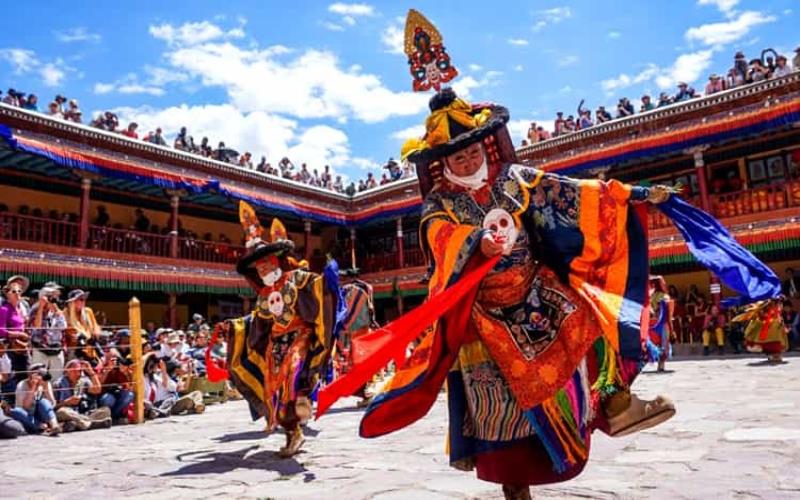
In addition to these major events in Buddha’s life, other celebrations are also observed to honor Buddhist monks, commemorate the Buddha’s teachings, and promote the values of peace and harmony. Buddhist festivals are not just religious observances but also cultural events, often featuring traditional music, dance, and food, reflecting the rich heritage of Buddhist communities in India.
Key Buddhist Festivals in India
- Buddha Jayanti (Buddha’s Birthday)
Buddha Jayanti is one of the most significant Buddhist festivals in India, celebrated to honor the birth, enlightenment, and death anniversary of Lord Buddha. The festival is observed on the full moon day of the month of Vaisakh (usually April or May) and is widely celebrated across India, especially in places such as Bodh Gaya, Lumbini (Nepal), Sarnath, and Kushinagar.
The celebration begins with special prayers and meditation sessions in monasteries, followed by processions with statues of Buddha, where devotees chant sutras and offer incense, flowers, and candles. In Bodh Gaya, the Mahabodhi Temple—where Buddha attained enlightenment—is a focal point for pilgrims, who gather to meditate under the Bodhi tree. The day is marked by religious ceremonies, teachings, and charitable activities, with many Buddhists taking part in acts of compassion, such as feeding the poor and donating to charitable causes. - Magha Puja
Magha Puja, also known as Sangha Day, is another important Buddhist festival in India. It falls on the full moon day of the third lunar month, typically in February or March. This festival commemorates the day when 1,250 enlightened monks, who had spontaneously gathered to hear Buddha’s teachings, were blessed by the Buddha. Magha Puja is a celebration of the teachings of the Buddha, particularly the “Three Jewels”—the Buddha, the Dharma (teachings), and the Sangha (community of monks).
On this day, Buddhists engage in group prayers, recite sutras, and meditate to cultivate peace and mindfulness. In monasteries and temples, the community comes together for rituals and ceremonies that include offerings, chanting, and listening to teachings. This festival emphasizes the importance of the monastic community and the Buddha’s teachings in shaping the lives of individuals. - Vesak (Buddha’s Enlightenment Day)
Vesak, also called the Visakha Puja, is one of the most important Buddhist celebrations in India and globally. It marks the day of Buddha’s enlightenment, which is observed on the full moon day of the month of Vaisakh. For Buddhists, Vesak is a day to remember and honor Buddha’s awakening and his teachings on wisdom and compassion.
On Vesak, Buddhists across India gather at Buddhist temples, shrines, and stupas to meditate, recite sacred texts, and offer food and flowers to the monks. Temples and monasteries are often adorned with colorful decorations, and candles are lit to symbolize enlightenment. In some areas, large processions are held, with followers chanting mantras and offering alms to the poor, signifying Buddha’s teachings on generosity and compassion. - Asalha Puja (Dhamma Day)
Asalha Puja, also known as Dhamma Day, commemorates the Buddha’s first sermon, which he delivered to five of his former companions at the Deer Park in Sarnath. This sermon, known as the “Dhammacakkappavattana Sutta,” marks the beginning of the Buddha’s mission to spread his teachings. The festival is celebrated on the full moon day of the month of Ashadha (June or July).
On Asalha Puja, Buddhists gather in temples to listen to discourses on the Buddha’s teachings, especially the Four Noble Truths and the Noble Eightfold Path, which form the core of Buddhist philosophy. This day is also a time for reflection and commitment to the Buddhist path, with many people taking the Five Precepts (moral vows) to live a virtuous life. - Uppalavanna’s Day
Celebrated by some Buddhist communities in India, Uppalavanna’s Day commemorates the enlightenment of Uppalavanna, a prominent female disciple of the Buddha. This day is observed by female Buddhists and is particularly significant in places like Sri Lanka and Thailand but has also gained attention in some parts of India. It highlights the important role that women have played in the Buddhist monastic community and promotes the teachings of equality and respect for all.
The day is marked by special prayers and offerings, particularly focused on the empowerment and spiritual enlightenment of women. It is also an opportunity to reflect on the role of women in the spread of Buddhism and their contribution to the Buddhist community. - Lunar New Year Celebrations
In some Buddhist communities in India, the Lunar New Year is celebrated with prayers, rituals, and festivals. While the exact date of the New Year varies according to different Buddhist traditions, it is often marked by the recitation of sutras, making offerings, and engaging in acts of charity. It is a time for starting anew, cultivating positive intentions, and cleansing the mind and spirit of past negativity.
Rituals and Traditions in Buddhist Festivals
Buddhist festivals in India involve various rituals and traditions that have been passed down through generations. Some common rituals include:
- Offerings: Buddhists make offerings of flowers, incense, candles, and food to the Buddha, symbolizing respect and gratitude for his teachings. These offerings are made at temples, stupas, and monasteries.
- Meditation and Prayer: Meditation is a key practice during Buddhist festivals. Many Buddhists engage in deep meditation and mindfulness to purify their minds and connect with the teachings of the Buddha.
- Processions: In some regions, Buddhist festivals feature colorful processions, where devotees walk through streets with statues of the Buddha, chanting mantras and spreading peace.
- Charitable Acts: Generosity is an important aspect of Buddhist teachings, and during festivals, many Buddhists take part in charity work, such as offering food to the poor or donating to religious institutions.
Conclusion
Buddhist festivals in India provide a unique opportunity to connect with the spiritual essence of Buddhism. These celebrations not only commemorate key events in the life of the Buddha but also reinforce the values of peace, compassion, and mindfulness. By participating in these festivals and rituals, Buddhists renew their commitment to the path of enlightenment and foster a sense of community, unity, and respect for all living beings. Through these vibrant celebrations, the teachings of Buddhism continue to inspire and guide individuals toward a more peaceful and harmonious existence.