The Spaces Concrete Creates Without You Noticing
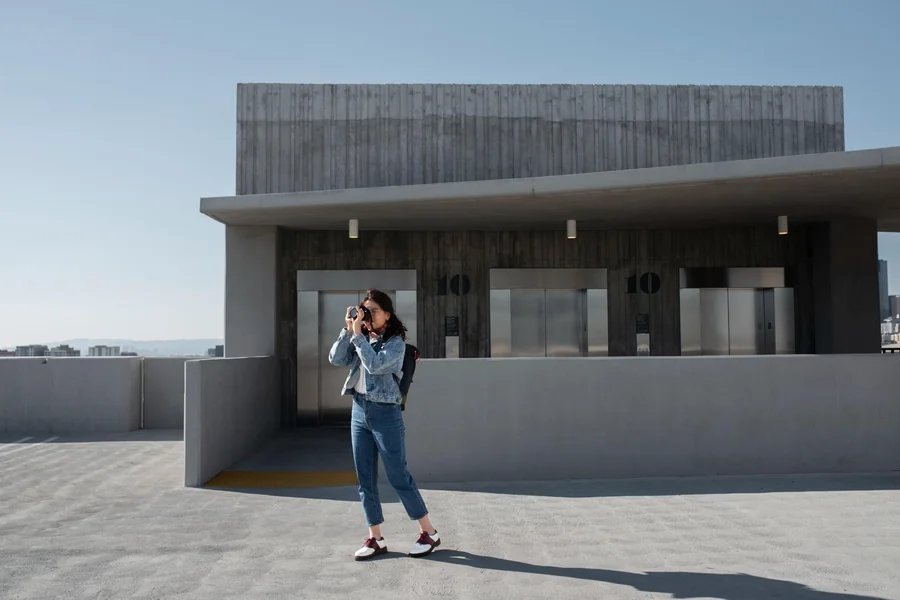
Concrete is everywhere, and yet most people look past it. It’s the surface you walk on, the driveway you park on, the patio where guests gather with drinks that sweat rings into the air. You don’t notice concrete until it fails, and even then, it’s rarely about admiration. It’s about cracks, stains, or the sudden reminder that something designed to be permanent has an expiration date.
But concrete is more than a background player. It shapes how we use space, how we move through it, and even how we remember it. In a world obsessed with temporary trends, concrete is the quiet constant.
Why Concrete Gets Dismissed as Ordinary
Concrete doesn’t advertise itself. It’s gray, plain, and unassuming. You’ll find endless design blogs debating tile patterns or paint shades, but few linger on the driveway leading up to the door. The patio where friends spend summer nights often gets reduced to the furniture placed on it.
This invisibility is both its strength and weakness. Concrete blends in so seamlessly that people forget the work and craft behind it. They think of it as something poured once and left to age. In reality, the way it’s mixed, shaped, finished, and sealed determines whether it functions for decades or starts to deteriorate within years.
The Subtle Way Concrete Shapes Daily Life
Walk into any home and you’ll see the fingerprints of concrete without realizing it. The path leading to the entrance sets the tone. A smooth, well-laid surface signals intention and care. A cracked or uneven walkway signals neglect before you even step inside.
Concrete defines driveways where kids learn to ride bikes, patios where couples host their first barbecues, and garage floors where tools scatter like punctuation. It isn’t glamorous, but it anchors memory. Without it, the structure of everyday life starts to falter.
From Driveways to Patios, the Invisible Stage of Home Design
Driveways aren’t just for cars. They’re the stage for chalk art, basketball hoops, and neighbors stopping to chat. Patios aren’t just extensions of the house. They’re where late-night conversations unfold, where candles burn low, where people retreat when they need space from the noise inside.
Concrete is the floor beneath these stories. It doesn’t demand attention, but it frames every interaction. Good design makes the stage solid, reliable, and adaptable. Poor design leaves it prone to cracking, staining, or shifting, which quietly erodes the way the space gets used.
How Concrete Extends Beyond Utility Into Aesthetic
Concrete has always been utilitarian. But in recent years, it’s stepped into aesthetics. Polished concrete floors in modern homes, decorative stamped patterns that mimic stone, smooth finishes that play with light and shadow. Suddenly, what used to be dismissed as plain is being celebrated for its minimalism.
Designers love it because it’s versatile. Homeowners love it because it lasts. The shift from utility to design has been slow, but it reflects something larger: a hunger for permanence in a disposable culture.
The Role of Concrete in Creating Spaces That Last
Concrete has one job above all others: to endure. Unlike wood that rots, or plastic that warps, concrete stands. That’s why it forms foundations, bridges, and highways. In residential settings, the same principle applies. A well-laid driveway or patio can last decades with minimal intervention.
Durability isn’t just practical. It creates emotional security. You stop worrying about whether the ground beneath you will hold. You trust it, and that trust becomes invisible until it’s gone.
What Happens When Concrete Fails or Ages Poorly
Failure rarely arrives suddenly. It creeps in. Small cracks widen. Stains settle. Surfaces shift just enough to make you trip. What once looked clean becomes an eyesore. And because concrete is everywhere, its failure feels loud.
The truth is that most failure stems from shortcuts. Cheap mixes, rushed jobs, poor drainage. These decisions are invisible at the start, but they reveal themselves with time. A quick pour today turns into a costly repair tomorrow.
Why Homeowners Are Rediscovering Concrete as Design
In an era of DIY projects and Pinterest boards, concrete is being reimagined. People are realizing they can have decorative finishes, custom colors, or textures that add depth to a space. It’s no longer just the slab underfoot but part of the design language.
This rediscovery isn’t about trend-chasing. It’s about recognizing that concrete can be functional and beautiful, a rare combination in home improvement. Once people see that, they stop dismissing it as ordinary.
The Craftsmanship That Separates Average From Exceptional
Not all concrete is equal. Two driveways poured on the same day can age completely differently depending on who did the work. Craftsmanship shows in the smoothness of the finish, the precision of the edges, and the durability over time.
Exceptional work accounts for climate, soil, drainage, and use. Average work ignores these details, leading to cracks or settling. To the untrained eye, it looks the same on day one. Years later, the difference is undeniable.
How Choosing the Right Concrete Contractor Changes Everything
Concrete might be about permanence, but the permanence you get depends on the hands that shape it. A skilled concrete contractor transforms it from a basic slab into a lasting foundation of daily life. They understand how weather impacts curing, how reinforcement prevents cracking, and how finishes affect not just appearance but longevity.
The choice of contractor decides whether you’re replacing your driveway in ten years or still walking on it thirty years later.
Sustainability, Durability, and the Future of Concrete
Concrete has a complicated environmental footprint. It’s resource-heavy, but it’s also long-lasting. Innovations are reshaping how it’s made, with recycled materials, reduced cement mixes, and methods designed to cut emissions. For homeowners, sustainability starts with durability. A slab that lasts thirty years is inherently more sustainable than one replaced every ten.
Durability also reduces waste. Less material, less transport, fewer replacements. The future of concrete isn’t just strength. It’s efficiency in every sense of the word.
Personal Stories Written Into Concrete Spaces
Think of the driveway with faint chalk outlines that never fully washed away. Or the patio where candle wax still marks the corner from a long-ago dinner party. Concrete holds memory as much as it holds weight.
These aren’t grand stories. They’re quiet ones, the kind you only notice when you slow down. But that’s what makes concrete matter. It becomes the canvas where ordinary life leaves its trace.
When to Repair, When to Replace, and When to Start Fresh
Not every crack needs replacement. Small surface issues can often be repaired. But when slabs shift, when cracks run deep, when the foundation itself feels compromised, replacement is the only real option.
The decision is less about aesthetics and more about safety and longevity. Knowing when to patch and when to start fresh requires an honest assessment of the space. Sometimes starting over means more years of peace of mind.
Concrete Is Never Just Concrete
Concrete is easy to dismiss because it doesn’t shout. But the spaces it creates frame daily life in ways that rarely get credit. The driveway, the patio, the walkway, the garage floor… all invisible until they fail, all essential until you notice them missing.
The next time you step outside, pay attention. That surface underfoot is more than gray. It’s the quiet structure shaping how you live, gather, and remember.