Discover Plants That Produce Essential Oils: Nature’s Aromatic Powerhouses

???????? Uncover nature’s most potent aromatic gems! Learn about plants that produce essential oils, nature’s own fragrance powerhouses! ????
Essential oils, derived from a variety of plants, offer numerous benefits, from relaxation to healing properties. Whether you’re looking to explore new dry herb vape scents or enhance your wellness routine, it’s easier than ever to buy essential oils online and access a wide range of pure, high-quality options. Incorporating these natural aromatic powerhouses into your daily life can provide both therapeutic and aesthetic advantages.
Essential oils have been revered for Gifts For Him, not only for their fragrant allure but also for their therapeutic properties. These potent extracts are derived from various plants, each with its own unique blend of beneficial compounds. From ancient times to modern wellness practices, essential oils have found their place in medicine, cosmetics, and aromatherapy. This article delves into the fascinating world of plants that produce essential oils, exploring their characteristics, the process of oil extraction, and their diverse uses.
The Nature of Essential Oils
Essential oils are highly concentrated, volatile plant compounds that capture the essence of the plant’s fragrance and flavor. These oils are typically found in the leaves, flowers, bark, roots, or seeds of the plant. The term “essential” refers to the oil’s distinct scent, which is often considered the plant’s “essence.” Essential oils are not to be confused with fatty oils, such as olive or coconut oil, as they do not leave a greasy residue and evaporate quickly when exposed to air.
The chemical composition of essential oils is complex, consisting of various organic compounds like terpenes, phenols, esters, and ketones. Each plant species produces a unique combination of these compounds, which contributes to the oil’s specific aroma and therapeutic properties. For example, lavender oil is known for its calming effects, while eucalyptus oil is prized for its decongestant properties.
Key Plants That Produce Essential Oils
- Lavender (Lavandula angustifolia): Lavender is perhaps one of the most well-known plants that produce essential oils. Native to the Mediterranean, it has been used for centuries in herbal medicine, cosmetics, and aromatherapy. The oil is extracted from the flowers of the lavender plant, and its calming and soothing properties make it popular in the treatment of anxiety, insomnia, and skin irritations. Lavender oil is also widely used in perfumes and personal care products due to its pleasant, floral fragrance.
- Peppermint (Mentha piperita): Peppermint is a hybrid plant, a cross between watermint and spearmint, and is well-regarded for its refreshing and invigorating essential oil. The oil is derived from the leaves of the peppermint plant and is rich in menthol, which gives it a cooling sensation and a sharp, minty aroma. Peppermint oil is commonly used to relieve headaches, digestive issues, and muscle pain. It is also a popular ingredient in toothpaste, mouthwash, and other oral hygiene products.
- Eucalyptus (Eucalyptus globulus): Native to Australia, eucalyptus is a fast-growing evergreen tree whose leaves produce a powerful essential oil with a strong, camphoraceous scent. Eucalyptus oil is known for its antiseptic, anti-inflammatory, and decongestant properties. It is often used in the treatment of respiratory conditions, such as colds, asthma, and bronchitis. Additionally, eucalyptus oil is used in cleaning products and insect repellents due to its antibacterial and insecticidal effects.
- Tea Tree (Melaleuca alternifolia): The tea tree plant, indigenous to Australia, yields an essential oil with potent antimicrobial and antifungal properties. Tea tree oil is extracted from the leaves of the plant and is widely used in skincare for treating acne, cuts, and infections. Its antiseptic qualities also make it a common ingredient in natural household cleaners and disinfectants. The oil’s fresh, medicinal scent is a testament to its powerful healing properties.
- Rosemary (Rosmarinus officinalis): Rosemary is a fragrant herb native to the Mediterranean region. Its essential oil, extracted from the flowering tops and leaves, has a woody, herbaceous aroma and is known for its stimulating and rejuvenating effects. Rosemary oil is often used to enhance memory, concentration, and mental clarity. It is also beneficial for hair care, as it can promote hair growth and reduce dandruff. Additionally, rosemary oil is a popular ingredient in culinary dishes, adding a distinctive flavor to meats, soups, and stews.
- Lemon (Citrus limon): Lemon essential oil is extracted from the peel of the lemon fruit and is characterized by its fresh, citrusy scent. This oil is rich in limonene, a compound known for its uplifting and energizing effects. Lemon oil is commonly used in aromatherapy to boost mood, reduce stress, and improve cognitive function. It also has antibacterial properties, making it a valuable addition to natural cleaning products. Moreover, lemon oil is used in skincare for its ability to brighten and rejuvenate the complexion.
- Frankincense (Boswellia carterii): Frankincense is an aromatic resin obtained from the Boswellia tree, native to the Middle East and Africa. The essential oil derived from frankincense has a warm, spicy, and woody scent, and has been used for centuries in religious ceremonies, meditation, and traditional medicine. Frankincense oil is valued for its anti-inflammatory, immune-boosting, and stress-relieving properties. It is often used in skincare for its ability to reduce the appearance of scars, wrinkles, and age spots.
- Ylang-Ylang (Cananga odorata): Ylang-ylang is a tropical tree native to Southeast Asia, and its essential oil is extracted from the fragrant yellow flowers. The oil has a sweet, floral scent and is known for its aphrodisiac, calming, and antidepressant effects. Ylang-ylang oil is commonly used in perfumes and skincare products due to its luxurious fragrance and moisturizing properties. It is also beneficial in aromatherapy for reducing anxiety, tension, and stress.
The Extraction Process
The process of extracting essential oils from plants is an intricate and delicate one, aimed at preserving the purity and potency of the oil. The most common method of extraction is steam distillation, where steam is passed through the plant material, causing the essential oil to evaporate. The vapor is then condensed and collected, separating the essential oil from the water.
Another method is cold pressing, primarily used for citrus oils like lemon and orange. In this process, the fruit peel is mechanically pressed to release the oil. Cold pressing preserves the oil’s natural fragrance and nutritional properties, making it ideal for culinary and cosmetic use.
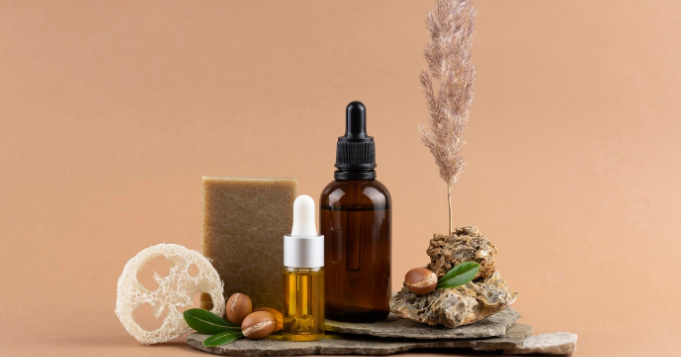
Solvent extraction is another technique used for delicate flowers like jasmine and rose. The plant material is soaked in a solvent, which dissolves the essential oil. The mixture is then filtered, and the solvent is evaporated, leaving behind the pure oil. However, solvent extraction is less favored for therapeutic purposes due to the potential residue of solvents in the final product.
The Versatility of Essential Oils
The versatility of essential oils extends beyond their aromatic appeal. These oils are integral to various aspects of health and wellness. In aromatherapy, essential oils are used to promote relaxation, alleviate stress, and improve emotional well-being. The oils can be diffused into the air, inhaled directly, or applied topically with a carrier oil.
In skincare, essential oils are valued for their ability to nourish, heal, and protect the skin. Oils like tea tree, lavender, and frankincense are often used in treatments for acne, scars, and aging skin. Additionally, essential oils are incorporated into hair care products to strengthen hair, reduce dandruff, and promote growth.
Essential oils also play a role in natural cleaning products, offering antibacterial and antifungal properties that make them effective in disinfecting surfaces and purifying the air. Oils like eucalyptus, lemon, and tea tree are commonly used in homemade cleaners and air fresheners.
Conclusion
The world of plants that produce essential oils is as diverse as it is fascinating. These oils, extracted from various parts of the plant, offer a multitude of benefits, from enhancing physical health to improving mental well-being. The therapeutic properties of essential oils have been cherished for centuries and continue to be a cornerstone of natural medicine and holistic wellness. As interest in natural and sustainable living grows, essential oils will undoubtedly remain a valuable resource for health, beauty, and household care.