Effective Acne Treatment: Proven Solutions for Clear Skin
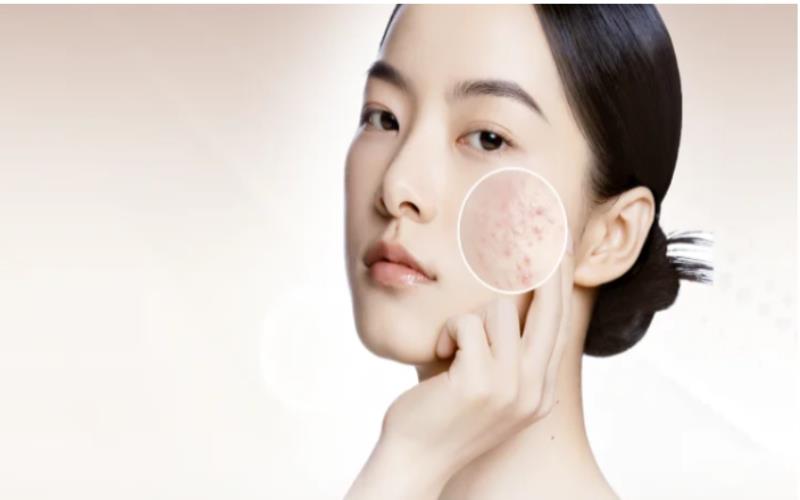
Acne is a multifaceted skin condition that affects millions globally, from teenagers to adults, and its impact extends beyond mere physical blemishes. Characterized by the presence of pimples, blackheads, and cysts, acne can significantly affect an individual’s self-esteem and quality of life. The quest for effective acne treatment is both a science and an art, requiring a personalized approach that addresses the root causes while managing symptoms. In this article, we will explore a range of acne treatments, their mechanisms, and how to approach a tailored treatment plan.
Understanding Acne: Beyond the Surface
Acne primarily manifests due to the clogging of hair follicles with oil and dead skin cells Christmas Gifts, leading to inflammation and infection by bacteria. This process often begins with hormonal changes, particularly androgens, which stimulate sebaceous glands to produce excess oil. The bacteria Propionibacterium acnes thrive in these clogged follicles, exacerbating the inflammation.
However, acne’s etiology is not solely hormonal. Genetic predisposition, lifestyle factors, diet, and even psychological stress can influence its severity. Understanding this complexity is crucial for devising a comprehensive treatment plan that goes beyond surface-level solutions.
Traditional Treatments: The Time-Tested Remedies
1. Topical Treatments
Topical treatments are often the first line of defense in acne management. They come in various forms, including creams, gels, and lotions. The effectiveness of these treatments is largely determined by their active ingredients:
- Benzoyl Peroxide: This agent works by killing acne-causing bacteria and reducing inflammation. Available over-the-counter, it is often used as a first-line treatment but can cause dryness and irritation in some users.
- Salicylic Acid: Known for its ability to exfoliate the skin and unclog pores, salicylic acid helps to prevent new acne from forming. It is commonly found in cleansers and spot treatments.
- Retinoids: Topical retinoids, derived from Vitamin A, promote cell turnover and prevent clogged pores. They are effective in treating both acne and post-acne scarring but can initially cause dryness and peeling.
2. Oral Medications
For more severe cases of acne, oral medications may be prescribed:
- Antibiotics: Oral antibiotics, such as tetracycline and doxycycline, reduce inflammation and bacterial growth. They are typically used for moderate to severe acne but are not recommended for long-term use due to potential antibiotic resistance.
- Hormonal Treatments: Birth control pills can regulate hormones that trigger acne. Additionally, anti-androgen medications like spironolactone can be effective in reducing acne in women by blocking androgens.
- Isotretinoin: This powerful medication is reserved for severe, cystic acne that does not respond to other treatments. Isotretinoin, often known by its brand name Accutane, reduces sebum production and prevents clogged pores. Its use requires careful monitoring due to potential side effects and risks.
Emerging Treatments: Innovations in Acne Care
Recent advancements in dermatology have introduced new treatment modalities that offer promising results for acne management:
1. Light and Laser Therapies
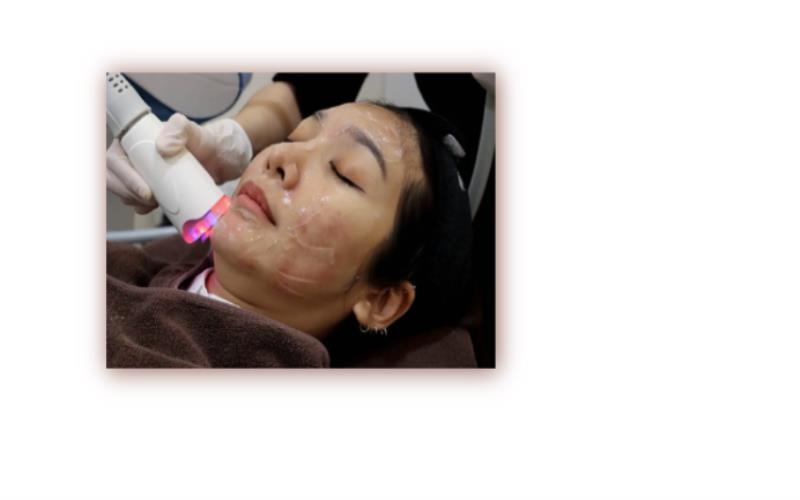
- Blue Light Therapy: This technique targets P. acnes bacteria using blue light, which can reduce inflammation and acne lesions. It is a non-invasive treatment that can be used in conjunction with other therapies.
- Laser Treatments: Various lasers, such as fractional lasers and pulsed-dye lasers, address acne scars and active acne. These treatments work by stimulating collagen production and reducing inflammation.
2. Chemical Peels
Chemical peels involve applying a chemical solution to the skin to exfoliate the outer layer and promote new skin growth. Salicylic acid, glycolic acid, and trichloroacetic acid are commonly used. Peels can improve acne and reduce the appearance of scars, though they may require multiple sessions for optimal results.
3. Microdermabrasion
Microdermabrasion is a mechanical exfoliation technique that removes dead skin cells and unclogs pores. It can help improve skin texture and reduce acne scars by promoting cell turnover.
Natural and Lifestyle Approaches: Complementary Strategies
In addition to medical treatments, natural remedies and lifestyle modifications can play a significant role in acne management:
1. Dietary Considerations
Recent research suggests a link between diet and acne. High glycemic index foods and dairy products may exacerbate acne in some individuals. Incorporating a diet rich in fruits, vegetables, and whole grains and dietary supplements while reducing processed foods and dairy can potentially improve skin health.
Visit https://www.amazon.com/
2. Skincare Routine
Maintaining a consistent skincare routine is crucial. Gentle cleansing twice daily, using non-comedogenic products, and avoiding harsh scrubbing can help manage acne. Incorporating products with soothing ingredients like niacinamide and green tea extract can reduce inflammation.
3. Stress Management
Stress has been shown to worsen acne by triggering hormonal changes. Practicing stress-reducing techniques such as mindfulness, yoga, and regular exercise can contribute to clearer skin.
Tailoring Acne Treatment: The Personalized Approach
Given the myriad of treatment options available, a personalized approach to acne treatment is essential. Consultation with a dermatologist is crucial for diagnosing the underlying causes of acne and determining the most appropriate treatment plan. Factors such as acne type, severity, skin type, and individual response to treatments must be considered.
A comprehensive treatment plan may include a combination of topical and oral medications, lifestyle modifications, photobiomodulation therapy, and emerging therapies. Photobiomodulation therapy, a non-invasive treatment using light to promote healing and reduce inflammation, has shown promise in enhancing treatment outcomes. Regular follow-up with a healthcare provider allows for adjustments to the treatment plan based on progress and any side effects experienced.
Conclusion
Acne treatment is not a one-size-fits-all solution. It requires a nuanced approach that addresses both the symptoms and underlying causes of the condition. By exploring traditional and emerging treatments, incorporating natural remedies, and tailoring the approach to individual needs, effective acne management is achievable. As research and dermatological advancements continue to evolve, the prospects for clearer skin and improved quality of life for those affected by acne remain promising.