How General Dentistry Protects Oral Wellness Beyond The Dental Office
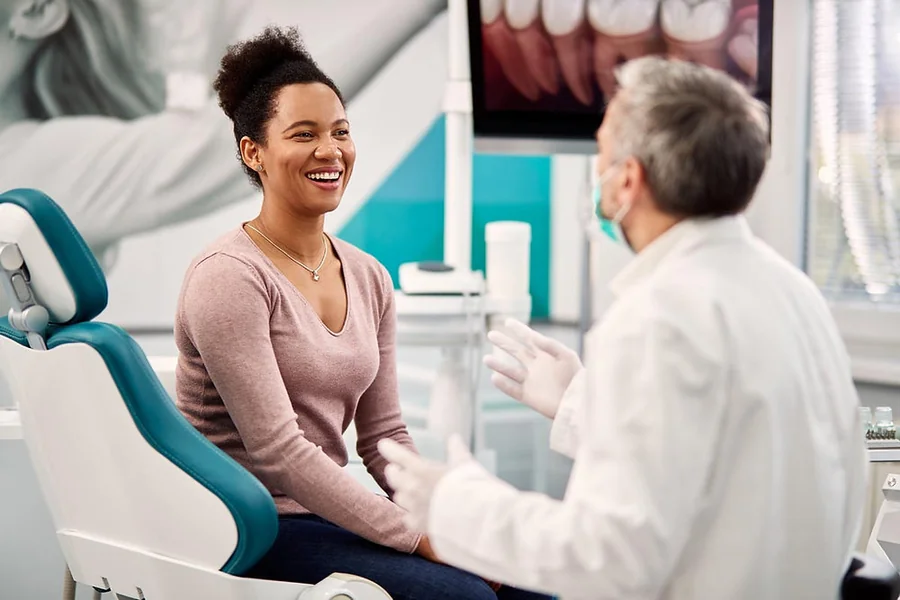
Your mouth affects your whole body, not only your smile. General dentistry protects that connection every day. You may think of quick cleanings or fixing a broken tooth. Yet your dentist is also watching for silent problems that harm sleep, mood, and long-term health. Regular visits help find early signs of diabetes, heart disease, and even some cancers. Each exam guides what you do at home, at work, and on the road. Simple changes in brushing, what you drink, and how you manage stress can prevent pain and expensive treatment. A dental practice in Fresno can also coordinate with your doctor when your teeth show warning signs. This partnership keeps you safer between visits. You gain clear steps, not guesswork. You walk out with a plan that reaches far beyond the dental chair and into every part of your daily life.
Why General Dentistry Matters For Your Whole Body
Your mouth is part of your body. You do not treat it as a separate thing. When gums swell or bleed, bacteria can move into your blood. That can strain your heart and other organs. The Centers for Disease Control and Prevention explains that gum disease is linked to diabetes and heart disease.
During a routine visit, your dentist checks for three key problems.
- Tooth decay that can spread and cause infection
- Gum disease that can damage bone and raise heart risk
- Changes in soft tissue that can signal oral cancer
Each of these conditions starts small. You may not feel pain. You may not see changes in the mirror. A general dentist can spot early signs and stop damage before it affects your daily life.
How Your Dentist Protects You Between Visits
Real protection happens after you leave the office. Your dentist gives you tools and steps that fit your life. You then use those steps at home, school, work, and during travel.
General dentistry supports you in three main ways.
- Education. You learn how often to brush and floss and how to clean every part of your mouth.
- Prevention. You receive fluoride, sealants, and cleanings that make teeth stronger.
- Early action. Your dentist tracks small changes over time and treats them before they grow.
This steady support means fewer emergencies. You miss fewer school days. You miss fewer work days. You spend less time in pain and more time living your life.
Daily Habits Your Dentist Wants You To Build
Your habits shape your oral health far more than any single treatment. A general dentist helps you build simple routines that you can keep.
- Brush two times each day for two minutes with fluoride toothpaste
- Floss one time each day to clean between teeth and under the gums
- Drink water often and limit drinks with sugar or acid
- Do not smoke or vape because they damage gums and raise cancer risk
- Wear a mouthguard for sports or if you grind your teeth at night
The American Dental Association explains brushing and flossing in plain steps at ADA brushing and flossing. You can share this guide with your family so everyone follows the same routine.
Comparing Home Care Alone And Home Care With General Dentistry
You may wonder if home care is enough. The short answer is no. Home care is essential. You still need routine exams and cleanings. The table shows how they work together.
| Aspect | Home Care Only | Home Care + General Dentistry
|
|---|---|---|
| Cavity detection | Often found late when pain starts | Often found early on X-rays and during exams |
| Gum health | Bleeding or swelling may be ignored | Measured and tracked with cleanings and exams |
| Cost over 10 years | Higher from fillings, crowns, and extractions | Lower from prevention and smaller treatments |
| Time off work or school | More emergency visits and urgent care | Planned visits with fewer surprises |
| Whole body health | Hidden links to heart and diabetes not checked | Regular screening and medical referrals when needed |
This comparison shows a hard truth. Skipping routine dental care does not save time or money. It often leads to more pain, more visits, and higher costs later.
How Dentistry Supports Children, Adults, And Older Adults
Every stage of life needs a different kind of support. General dentistry adjusts care based on age and health needs.
- Children. Dentists watch growth, apply sealants, and teach brushing in simple steps.
- Adults. Care focuses on stress, diet, and early gum disease.
- Older adults. Dentists check dry mouth, root decay, and fit of dentures or bridges.
This steady watch helps your family move through each stage with fewer problems. It also builds trust. Children who grow up with kind, steady dental visits tend to keep strong habits as adults.
When Your Dentist Works With Your Medical Team
General dentists do more than fix teeth. They often spot health issues that need medical care. For example, sudden gum swelling can signal changes in blood sugar. White patches or sores that do not heal can hint at cancer. Teeth worn flat can show sleep apnea or heavy stress.
When your dentist sees these signs, you may receive a letter or call from your doctor. This joint care helps your medical team treat the full picture. You gain a stronger safety net. Problems are less likely to slip through.
Steps You Can Take Today
You can protect your oral wellness starting now.
- Schedule a general dental exam if you have not had one in the past year
- Write down any pain, bleeding, or jaw soreness to discuss at your visit
- Choose one habit to improve this wee,k such as flossing every night
- Help your child brush and floss until they can tie their shoes on their own
- Ask your dentist how your oral health links to any current medical condition
You deserve a mouth that lets you eat, speak, and smile without fear. General dentistry gives you that chance. With steady visits and simple daily steps, you protect more than your teeth. You protect your energy, your confidence, and your long-term health far beyond the dental office.