
Essential Considerations for Choosing Budget Long-Term Accommodation in Sydney
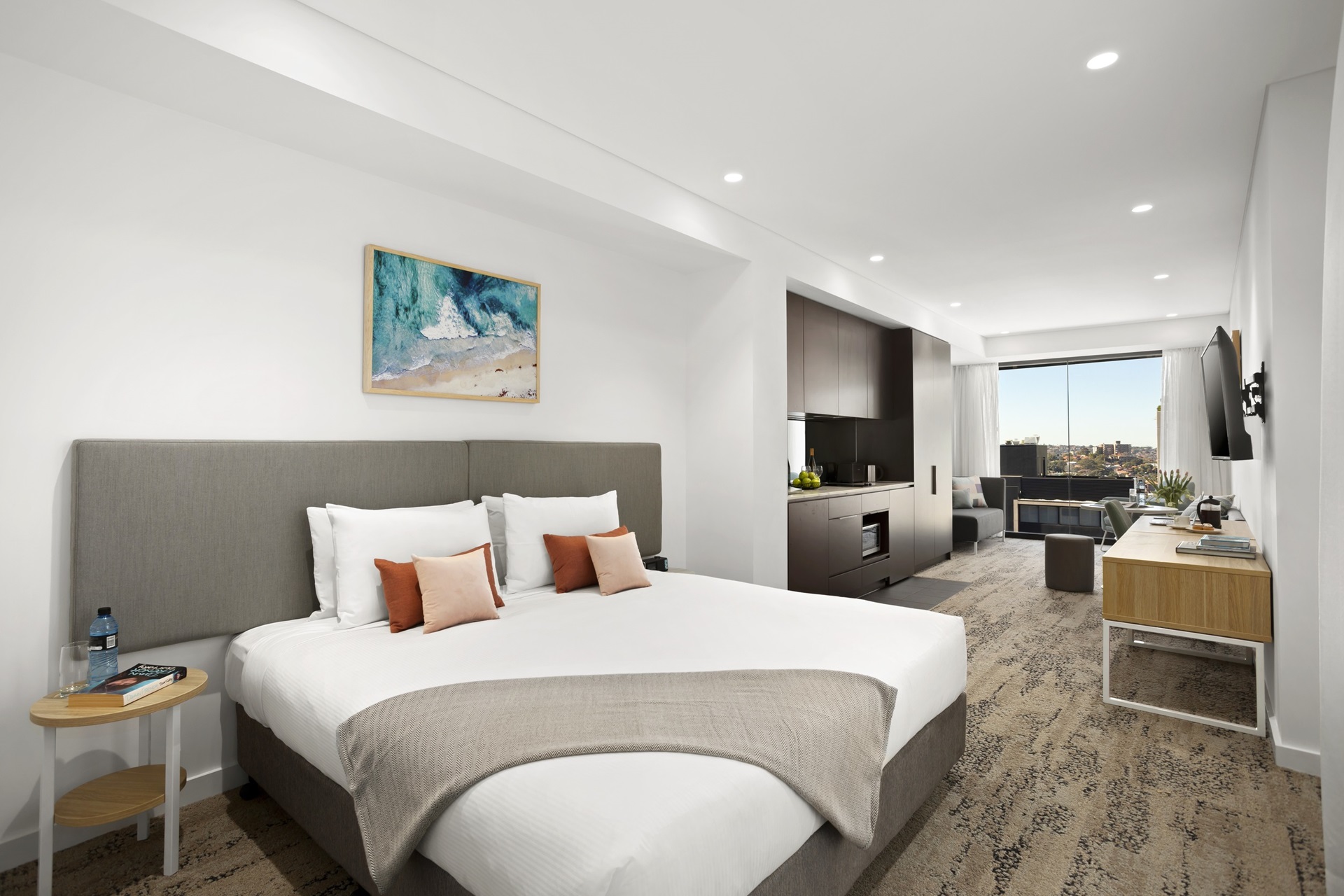
Introduction to Choosing the Right Budget Accommodation
Sydney is a city of stunning landscapes, vibrant neighbourhoods, and diverse communities, but it’s also a city known for its high cost of living. Finding budget long-term accommodation in Sydney can be a daunting task, especially when balancing affordability with comfort, safety, and convenience. Whether you’re a student, a young professional, or someone relocating to Sydney, making an informed decision is crucial to ensuring a comfortable and financially manageable stay. This article will guide you through the essential considerations to keep in mind when choosing budget long-term accommodation in Sydney, helping you find a place that suits your needs and lifestyle.
Evaluating Location and Commute Times
One of the most critical factors to consider when choosing budget accommodation in Sydney is the location. The city’s sprawling nature means that where you live can significantly impact your daily commute, access to services, and overall quality of life.
Proximity to Work and Public Transport
When evaluating potential accommodation options, consider the proximity to your workplace or educational institution. A shorter commute not only saves time but also reduces transportation costs, which can add up over time. Sydney’s public transport system, including trains, buses, and ferries, is extensive, but the convenience and frequency of services can vary depending on the area.
- Train Lines: Living near a train station can be a major advantage, as trains are often the fastest way to get around Sydney, particularly for long-distance commutes. Suburbs on major train lines, such as the T1 North Shore Line or the T2 Inner West & Leppington Line, offer good connectivity to the CBD and other key areas.
- Bus Routes: If your accommodation is further from a train line, ensure there are reliable bus routes nearby. Bus services are more frequent in inner-city suburbs but can be less reliable in outer areas during off-peak hours.
- Biking and Walking: For those who prefer cycling or walking, consider the availability of safe bike paths and pedestrian-friendly routes. Some inner-city areas, like Newtown or Surry Hills, are particularly bike-friendly.
Access to Essential Services and Amenities
In addition to proximity to work or school, consider how close your accommodation is to essential services and amenities. These include supermarkets, healthcare facilities, banks, and leisure activities.
- Supermarkets and Grocery Stores: Living near a supermarket or local grocery store can make daily life much more convenient. It’s also worth considering whether there are affordable options like Aldi or Woolworths in the area.
- Healthcare Services: Access to healthcare is essential, so check for nearby general practitioners, pharmacies, and hospitals. Areas closer to Sydney’s central districts tend to have better healthcare access.
- Leisure and Social Activities: Consider what’s important to you in terms of lifestyle. If you enjoy outdoor activities, look for areas with parks or proximity to Sydney’s beaches. If nightlife and socializing are important, inner-city suburbs with a vibrant bar and cafe scene might be more appealing.
Understanding Lease Terms and Conditions
Lease agreements can be complex, and understanding the terms and conditions is crucial to avoiding unexpected costs and complications during your stay.
Key Clauses to Look For
When reviewing a lease, there are several key clauses to pay attention to:
- Rent Increases: Check the lease for clauses related to rent increases. Some leases allow for periodic rent hikes, so it’s important to know when and how much your rent could increase.
- Maintenance and Repairs: Understand who is responsible for maintenance and repairs. In some cases, tenants are responsible for minor repairs, while landlords handle major issues. Clarifying this can prevent disputes later on.
- Utilities and Additional Costs: Make sure you know which utilities (e.g., water, electricity, internet) are included in the rent and which are additional. Some properties include all utilities, while others do not, which can significantly impact your budget.
Flexibility in Lease Agreements
Flexibility in a lease agreement can be beneficial, especially if you’re unsure how long you’ll stay in Sydney:
- Lease Duration: Consider whether the lease duration suits your needs. Some landlords offer flexible terms with shorter leases, while others may require a minimum 12-month commitment.
- Break Clause: Check if the lease includes a break clause, which allows you to terminate the lease early under certain conditions. This can be useful if your circumstances change unexpectedly.
- Subletting: If you anticipate needing to leave temporarily (e.g., for travel or a work assignment), see if the lease allows subletting. This can help you avoid paying for an empty property.
Assessing the Safety and Security of the Area
Safety is a paramount consideration when choosing accommodation. Evaluating both the neighborhood’s safety and the security features of the property itself can give you peace of mind.
Crime Rates and Neighborhood Safety
Research the crime rates in the area where you’re considering living. Sydney is generally safe, but crime rates can vary between neighborhoods:
- Local Police Reports: Use local police reports or community safety websites to check crime statistics for specific areas. Suburbs like Glebe, Marrickville, and Ashfield tend to have lower crime rates compared to some inner-city or western suburbs.
- Community Feedback: Online forums and social media groups can provide insights into the safety of different neighborhoods from current residents.
Building Security Features
In addition to the neighborhood, assess the security features of the property:
- Locks and Alarms: Ensure that doors and windows have secure locks. Some buildings may also have alarm systems or security cameras for added protection.
- Gated Access: Properties with gated access or secure entry (e.g., intercom systems) can provide an additional layer of security, especially in larger apartment complexes.
- Lighting: Good outdoor lighting around the property, especially at entrances and parking areas, can deter potential intruders and enhance safety.
Weighing the Pros and Cons of Different Property Types
Choosing the right type of accommodation is essential for balancing cost, comfort, and convenience. Here’s how different property types compare:
Apartments vs. Shared Houses
- Apartments: Apartments offer more privacy and independence, making them ideal for those who prefer their own space. However, they can be more expensive than shared houses, especially in central locations. Apartments are often better for longer-term stays, where you can settle into a routine.
- Shared Houses: Shared houses are typically more affordable and offer a more social living environment. They’re a great option for students or those new to the city, as they provide opportunities to meet new people and share living costs. The trade-off is less privacy and potentially less control over your living environment.
New Builds vs. Older Properties
- New Builds: Newer properties often come with modern amenities, better insulation, and energy-efficient appliances. They may also have more secure entry systems and up-to-date safety features. However, new builds tend to be more expensive, particularly in desirable areas.
- Older Properties: Older properties are generally more affordable and may have more character or larger living spaces. However, they can also come with higher maintenance needs, outdated fixtures, and less efficient heating or cooling systems. Assess the condition of the property carefully before committing.
Conclusion: Making an Informed Decision for Budget Accommodation
Choosing budget long-term accommodation in Sydney requires careful consideration of various factors, from location and lease terms to safety and property types. By thoroughly evaluating your options and understanding what each potential accommodation offers, you can make an informed decision that balances comfort, convenience, and cost. Remember to consider your personal needs and lifestyle preferences, and don’t hesitate to ask questions or seek advice from locals or online communities. With the right approach, you can find a budget-friendly place to live in Sydney that meets your needs and enhances your experience in this dynamic city.


