Exploring Custom Cabinet Doors And Refacing Services For Modern Kitchens
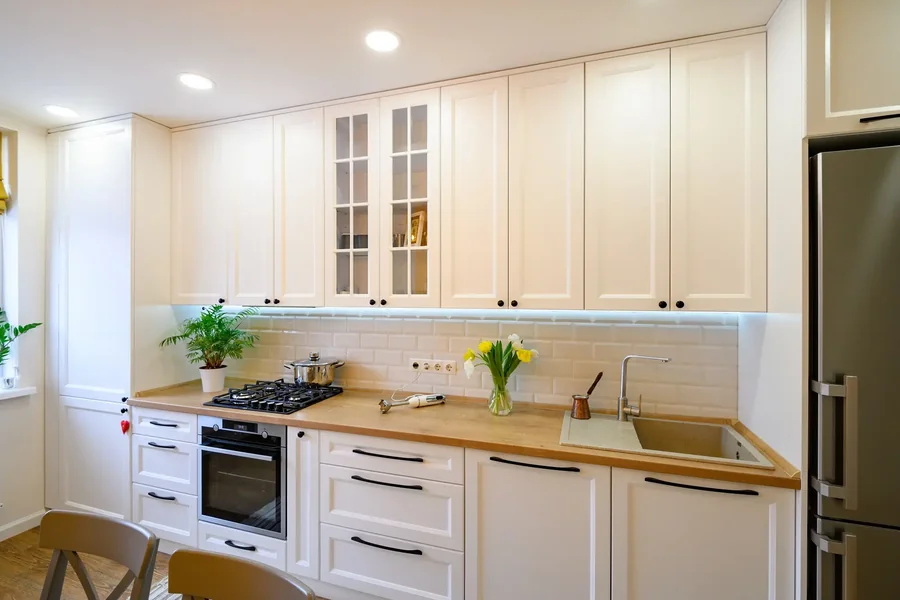
A modern kitchen isn’t just about sleek appliances and open layouts; it’s the details that truly define its character. Custom cabinet doors and refacing services have become go-to solutions for homeowners looking to elevate their kitchen’s style without a full renovation. These options blend functionality with aesthetic appeal, offering endless possibilities to match any design vision.
Whether it’s transforming outdated cabinets with a fresh finish or crafting bespoke doors to reflect personal taste, these services provide a cost-effective way to achieve a high-end look. With the right choices, homeowners can create a kitchen that’s not only modern but uniquely theirs.
Advantages of Custom Cabinet Doors in Today’s Kitchen Designs
Custom Cabinet Doors offer tailored solutions for modern kitchen aesthetics. They bring a level of flexibility that standard options cannot match. Homeowners can select from various materials like wood, MDF, or glass, ensuring compatibility with diverse design preferences. For example, sleek slab doors fit minimalist styles, while shaker doors complement transitional layouts.
Precision in design is another key benefit. Custom doors allow exact sizing, accommodating unique cabinetry dimensions. This eliminates gaps or mismatched fittings that often occur with stock products, maintaining a seamless and polished look.
Durability is optimized with personalized choices. Reliable construction materials and professional craftsmanship enhance structural integrity, extending the lifespan of the cabinetry.
Compatibility with refacing services enhances the appeal of custom cabinet doors. They integrate seamlessly with existing cabinets, reducing waste and creating a high-end appearance on a smaller budget. This approach combines sustainability with cost-efficiency.
Custom cabinet doors enable personalization through finishes, colors, and hardware. Homeowners can match their kitchen’s palette or trend-forward elements for a cohesive design. For instance, matte finishes are ideal for modern kitchens, whereas natural stains highlight rustic themes.
Popular Materials for Cabinet Door Customization in 2025
Custom cabinet doors in 2025 showcase a range of material options catering to diverse styles and needs. Homeowners now prioritize materials that balance aesthetics with durability and functionality.
-
Solid Wood
Natural beauty and longevity make solid wood a favored option. Oak, cherry, and maple lead preferences due to their strength and grain patterns. Wood doors suit traditional and modern kitchens, depending on finishes or stains.
-
Medium-Density Fiberboard (MDF)
MDF offers affordability and smooth surfaces for painting and intricate designs. It resists warping better than wood in humid environments, making it ideal for kitchens with fluctuating moisture levels.
-
Glass Panels
Glass inserts allow light flow and create an open look. Frosted, clear, or textured glass provides variety for contemporary or transitional designs. Glass pairs well with wood or metal frames for added customization.
-
Metal
Aluminum and stainless steel bring a sleek, modern touch. They’re durable and resistant to heat and moisture, fitting seamlessly in industrial-style kitchens or minimalist interiors.
-
Thermofoil
Thermofoil mimics the look of wood or painted surfaces at a lower cost. It provides a smooth, easy-to-clean finish, often used in high-traffic kitchens needing low maintenance.
Selecting from these materials enhances the personalization of custom cabinet doors while ensuring compatibility with refacing systems. By combining these options with tailored finishes, homeowners can achieve a refined, modern kitchen design.
Precision Refacing: How New Doors Integrate with Existing Cabinets
Refacing modern cabinets involves replacing the external-facing components, such as doors and drawer fronts, while retaining the internal cabinet boxes. Custom cabinet doors play a critical role in this process by delivering tailored designs that align with the original framework. This approach upgrades the kitchen’s appearance without requiring a full demolition.
Precise measurement ensures that custom cabinet doors fit seamlessly over existing structures. These doors are manufactured to exact specifications, covering outdated frames without gaps or overhangs. Matching veneers or finishes can be applied to exposed cabinet surfaces, creating a cohesive and polished look consistent with the new doors.
Material selection enhances this integration. Durable options like solid wood or MDF provide sturdiness, while finishes mimic natural grains or textures, blending old and new elements. For added style, custom hardware such as handles and hinges harmonizes with existing cabinetry layouts, improving accessibility and visual appeal.
The refacing process minimizes waste, as existing cabinet boxes are preserved, making this a sustainable and cost-effective solution. By integrating custom cabinet doors, homeowners achieve a modernized kitchen design that balances functionality, aesthetic consistency, and environmental responsibility.
Sustainability Factors When Choosing Door and Refacing Materials
Sustainability plays a crucial role when selecting materials for custom cabinet doors and refacing services. By prioritizing eco-friendly options, homeowners can reduce environmental impact while enhancing kitchen aesthetics.
-
Recycled Materials
Materials like reclaimed wood or recycled metal reduce resource consumption. These options promote sustainable practices and add unique textures to modern kitchen designs.
-
Durable Selections
High-quality hardwoods, medium-density fiberboard (MDF), and thermofoil extend cabinet lifespan due to their resilience. Longer-lasting materials decrease the frequency of replacements, minimizing waste.
-
Low VOC Finishes
Finishes with low volatile organic compounds (VOCs) improve indoor air quality. Using water-based paints, stains, and sealants ensures safer, eco-conscious renovations.
-
Energy-efficient Manufacturing
Sourcing cabinet doors from manufacturers with energy-efficient production processes decreases overall carbon emissions. Some companies also use sustainable forestry practices for wood materials.
-
Waste Reduction through Refacing
Refacing integrates existing cabinet structures, preserving materials and reducing landfill contributions. Adding custom cabinet doors ensures a cohesive design while adhering to sustainability principles.
Customizing refacing materials allows homeowners to “ Tap here” into a variety of eco-friendly options, aligning kitchen upgrades with environmental goals. These factors highlight how material selection can balance style, durability, and ecological responsibility.
Design Trends: Matte Finishes, Soft Closures, and Handle-Free Styles
Matte finishes offer a sleek, understated elegance ideal for modern kitchens. This non-reflective surface reduces glare and creates a smooth texture, pairing perfectly with neutral color palettes or bold, dark tones. Matte custom cabinet doors complement minimalist designs while concealing smudges and fingerprints, making them a practical choice for busy households.
Soft closures enhance functionality while preserving cabinetry. These mechanisms ensure doors and drawers close gently, reducing wear and preventing impact damage over time. Integrated into custom cabinet doors, soft closures deliver a seamless, noise-free user experience, combining luxury with durability.
Handle-free styles support contemporary designs by focusing on clean, uninterrupted lines. Push-to-open systems or recessed grips allow for a minimalist aesthetic, eliminating distractions from the cabinetry’s overall appearance. These designs integrate well with refacing services, maintaining compatibility with existing structures for a modern, cohesive look.
Cost Ranges for Custom Cabinet Doors with Refacing Packages
Custom cabinet door and refacing package costs vary based on material choice, customization level, and kitchen size. On average, homeowners spend $4,000 to $9,000 on refacing projects with custom doors, while high-end options can exceed $15,000 in larger kitchens or when using premium materials like solid wood.
Material Influence on Costs
- Solid Wood: Costs range from $200 to $500 per door due to its durability and natural appearance.
- MDF: More affordable, priced around $100 to $300 per door, offering a smooth finish for painted surfaces.
- Glass Panels: Slide between $150 and $400 per door, factoring in frame styles and glass types like frosted or clear.
- Thermofoil: Budget-friendly at $50 to $200 per door, imitating wood or paint finishes at a lower cost.
- Metal: High-cost materials ranging from $300 to $800 per door, providing a sleek, industrial edge.
Additional Customization Costs
Including extras such as intricate finishes, hardware upgrades, or unique panel designs can increase costs by 10-30%. Specialty hardware, such as soft-close hinges or recessed handles, typically adds $5 to $50 per unit.
Labor and Installation Expenses
Professional installation averages $2,000 to $5,000 for mid-sized kitchens. Larger kitchens or those requiring structural modifications may increase labor costs due to extended timelines or complexity in aligning custom cabinet doors with existing frames.
Sustainability-focused options and refacing services often combine affordability with a reduced environmental impact, offering long-term value for modern kitchens.
When to Choose Custom Over Stock or Semi-Custom Door Options
Custom cabinet doors and refacing services are ideal for homeowners who value personalization, precision, and sustainability in their kitchen upgrades. They’re perfect for those looking to transform their space without committing to a full renovation, offering tailored solutions that align with both modern design trends and practical needs.
By selecting custom options, homeowners can achieve a seamless, high-end look while incorporating eco-friendly materials and durable craftsmanship. Whether it’s enhancing functionality, updating aesthetics, or embracing sustainable practices, custom cabinet doors provide the flexibility and long-term value that stock or semi-custom options often lack.