Eight Tips for Creating a Cohesive Home with International Design Influences
In a world more connected than ever, our homes are becoming reflections of our journeys, real or imagined, through different cultures. A Moroccan lantern might hang beside a Danish oak dining table, while Japanese ceramics sit comfortably next to Italian marble. This blending of styles is no longer just a trend; it’s a declaration of personal identity, shaped by global curiosity. However, the challenge lies in harmony: how to curate international design influences so they feel intentional and balanced.
Creating a cohesive home with global flair isn’t about assembling souvenirs or mimicking faraway aesthetics. It’s about understanding the essence of what draws us to certain styles and allowing those elements to coexist gracefully under one roof.
Here are eight thoughtful ways to achieve a home that feels worldly, balanced, and beautifully your own.
Begin with a Global Palette
Every culture has its own relationship with color, rooted in geography, climate, and tradition. Mediterranean interiors, for instance, often embrace sun-baked terracotta, cobalt blue, and warm whites inspired by the sea and earth. In contrast, Japanese homes lean toward subdued neutrals and natural tones, mirroring a philosophy of restraint.
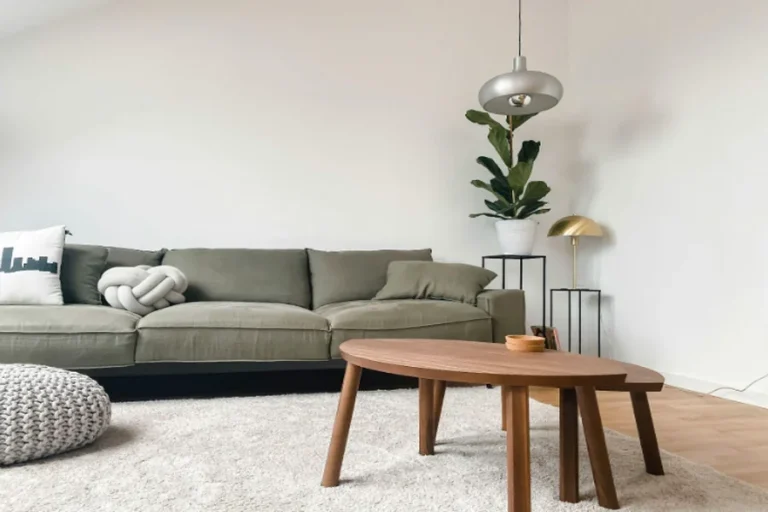
When blending multiple design traditions, color becomes your unifying thread. Start by identifying a dominant palette and then weave in accent hues from other cultures. A Scandinavian base of pale wood and white walls can welcome bursts of Moroccan spice tones or the deep indigo of Japanese textiles without losing balance.
The secret is restraint: let your chosen palette tell a story of connection rather than competition. Think of it as curating a global art exhibition where every hue has a reason to be there. This harmony allows pieces from vastly different origins to coexist seamlessly.
Find Common Ground in Materials and Textures
When cultures meet under one roof, texture becomes a subtle yet powerful tool for cohesion. Natural materials, such as wood, linen, clay, rattan, and stone, transcend geographic boundaries. Whether it’s a rustic French oak floor, a handwoven Kenyan basket, or a sleek marble countertop from Italy, shared materiality brings a sense of unity to even the most diverse interiors.
Texture also softens the visual transitions between styles. A minimalist Japanese platform bed can feel perfectly at home beside a Moroccan rug if the materials speak the same tactile language. Similarly, a contemporary velvet sofa gains warmth when paired with woven baskets from Southeast Asia or a sculptural African stool carved from dark wood.
Layering these materials creates depth and invites touch, transforming a home from a static gallery into a sensory experience. The key is to repeat certain textures throughout different rooms, ensuring a consistent rhythm that ties everything together.
Embrace Craftsmanship as a Common Thread
Across continents, craftsmanship remains a shared value: a language that transcends style. The handmade has a universal allure: the imperfect edge of a ceramic bowl, the careful stitching of a Peruvian textile, the intricate pattern of a Turkish kilim. These details tell stories of human connection and heritage.
Incorporating artisanal pieces from various cultures doesn’t mean creating a cluttered collection of trinkets. Instead, it’s about curating with purpose. Choose fewer, more meaningful items that celebrate authenticity. A hand-thrown Japanese vase can share space with Italian glassware if both highlight the art of the making.
Consider dedicating certain focal points in your home to these expressions of craftsmanship. Displaying them thoughtfully allows each piece to breathe and to converse quietly with the others. This approach fosters an atmosphere of reverence and respect for the cultures that inspired them, while maintaining visual calm.
Layer Cultural Influences with Intention
When done thoughtfully, layering international styles can create a space that feels deeply personal. However, the goal isn’t to turn your home into a patchwork of aesthetics, it’s to allow them to flow organically. Start by choosing one dominant influence that forms the foundation of your design. Then, add complementary accents from other cultures that echo its tone or ethos.
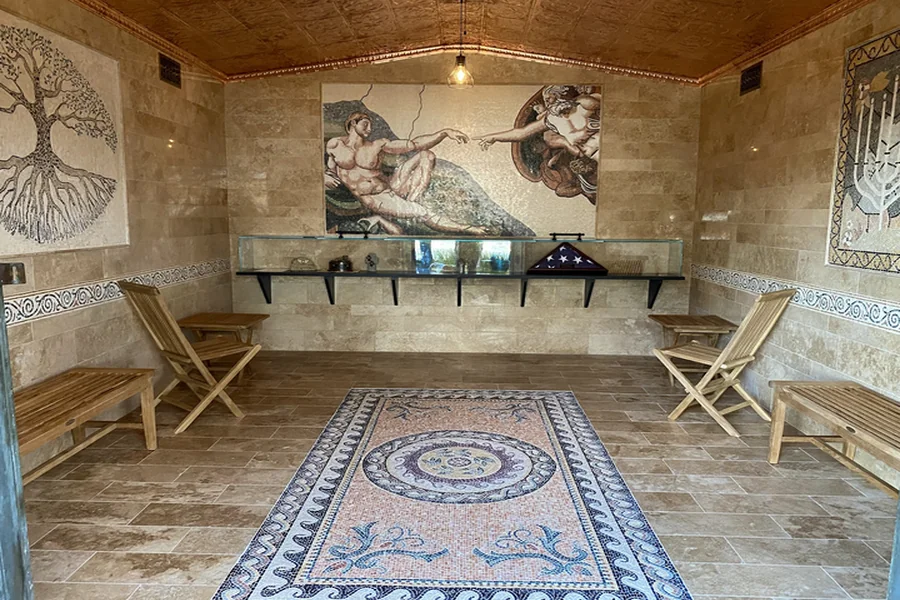
For example, a Mediterranean-inspired living room – defined by stucco walls, arched niches, and mosaic floors – can welcome Scandinavian minimalism through clean-lined furniture and pale woods.
Alternatively, a neutral Japanese-inspired space can be enriched with Moroccan textures or African patterns, provided they share the same understated color scheme or organic materials. It’s this sense of balance between calm and character that makes global design feel sophisticated rather than theatrical.
Let Art and Objects Tell the Story
Art is often the bridge between cultures. It invites emotion, curiosity, and conversation. When curating art and objects from around the world, think less about matching frames and more about creating a visual narrative. A contemporary abstract painting might find kinship with a hand-painted Indian screen or a piece of mosaic artwork from Spain, if they share a sense of movement or color harmony.
Display these pieces as you would curate an exhibition, with room for each to command attention, yet with an overarching rhythm that ties them together. Mixing art forms from different regions also helps reveal the shared human impulses behind them: the desire for beauty, expression, and identity.
Avoid overcrowding your walls or shelves. Instead, rotate collections seasonally or by theme. This not only keeps your space dynamic but also encourages mindfulness about what each object represents. In doing so, your home becomes a living gallery of global expression, deeply curated yet intimately personal.
Balance Architecture with Décor
A truly cohesive international home doesn’t rely solely on surface decoration; it begins with an understanding of architectural context. If you live in a Victorian townhouse, for instance, incorporating minimalist Japanese design may require subtle adaptation. The structure’s original features, such as moldings, ceiling heights, and window shapes, should guide your choices.
Rather than imposing one aesthetic on another, aim to create dialogue. Let ornate crown moldings frame a clean-lined Italian sofa, or pair a modern steel staircase with rustic Mediterranean clay pots. This interplay between architecture and décor gives your space authenticity and depth.
Similarly, pay attention to proportion. Global design often falters when scale is ignored: oversized Balinese furniture can overwhelm a small urban apartment, while tiny Scandinavian pieces may feel lost in a sprawling villa. Harmonizing scale across cultural pieces ensures visual balance and functional comfort.
Use Lighting to Create Cultural Atmosphere
Lighting is one of the most transformative, yet often overlooked, tools in achieving harmony across international design influences. It sets the tone for how materials and colors interact, and it can either amplify or soften the mood of a room.
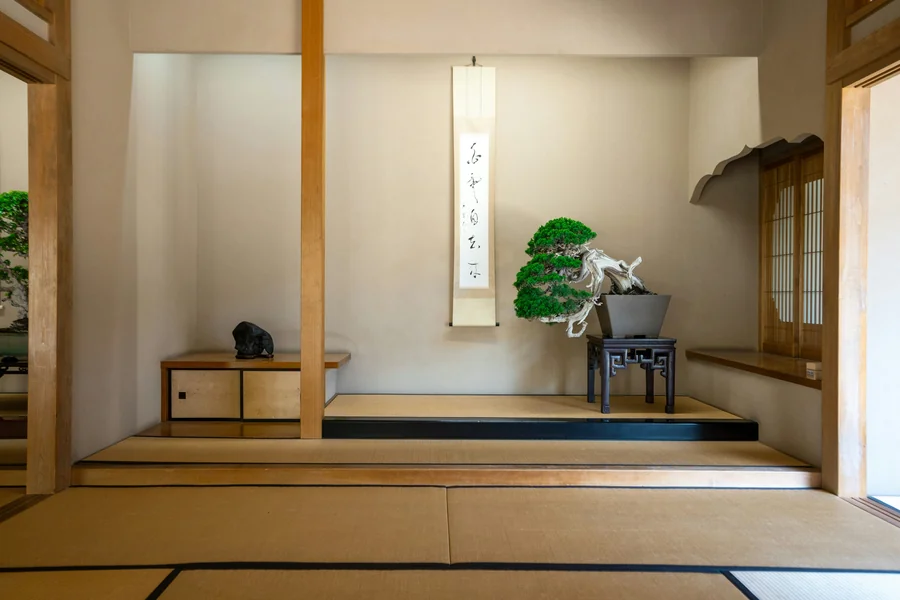
Layering light sources is essential: combine ambient lighting with task and accent lighting to mimic the natural rhythm of light found in traditional homes across the world. For instance, soft diffused lighting evokes the serene mood of Japanese interiors, while wrought-iron lanterns or perforated brass fixtures bring a Moroccan warmth that dances across walls and ceilings.
Experiment with how light interacts with texture. The glow filtering through linen curtains, the reflection off polished marble, or the shadow play on woven rattan can all highlight the richness of your globally inspired décor. Lighting unites disparate influences by weaving them into one cohesive visual story.
Create Continuity Through Lifestyle and Meaning
Ultimately, a home shaped by global influences should feel like an extension of your life, not a staged tableau. The most successful international interiors are those that reflect genuine connection to the cultures they draw from. Perhaps you studied in Paris, traveled through Southeast Asia, or grew up surrounded by Mediterranean design. These experiences become the emotional blueprint for your space.
Continuity comes from meaning. Choose elements that resonate personally rather than decoratively. A collection of hand-painted Portuguese tiles can find purpose as a kitchen backsplash, a Moroccan throw can bring comfort to a reading nook, and a simple Japanese tea set can transform your morning ritual into a moment of mindfulness.
Integrate these influences into your daily habits: how you dine, rest, or entertain. When cultural design choices intersect naturally with your lifestyle, your home evolves from a visual collage into a lived narrative. It’s no longer just about combining styles; it’s about celebrating the way design connects us across borders.