
How A Strong Art Portfolio Shapes A Student’s Creative Future
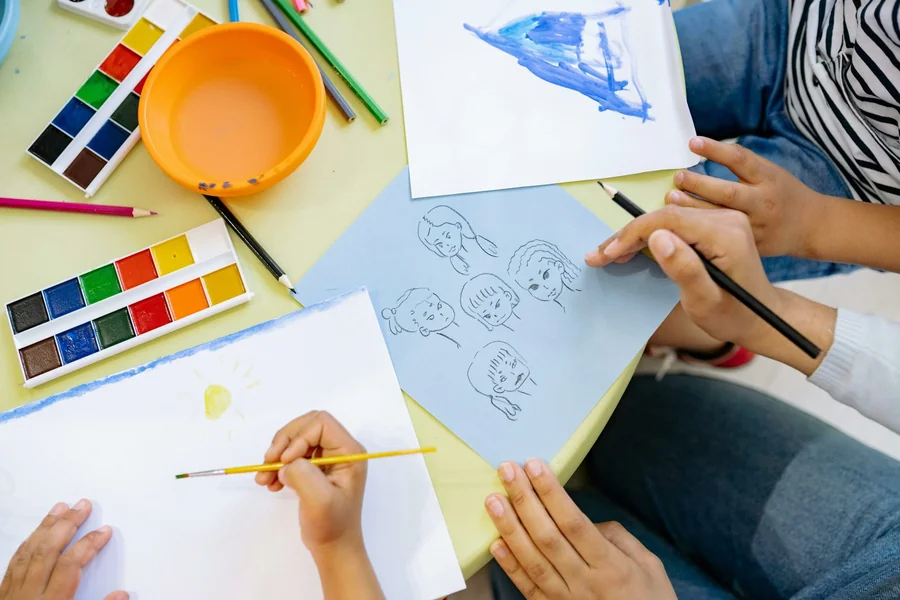
For aspiring artists and creative students, a strong portfolio is more than just a collection of artworks — it is the foundation of their artistic identity and the gateway to future opportunities. Whether applying to art schools, design programs, creative internships, or professional roles, a portfolio showcases not only skill, but also voice, imagination, discipline, and personal creative journey.
In today’s world, creativity is a powerful asset. Industries from animation and architecture to fashion, gaming, and digital media actively seek individuals who can think visually and express ideas through compelling forms. As the creative landscape becomes more competitive, students must present a well-curated, thoughtful portfolio that demonstrates both potential and readiness for advanced study or professional practice.
Why Portfolios Matter
A strong portfolio allows educators and institutions to evaluate a student beyond grades and test scores. It reveals:
- Technical proficiency (drawing, painting, digital art, mixed media)
- Understanding of design principles and composition
- Creativity and conceptual thinking
- Ability to experiment and explore various styles
- Dedication, effort, and artistic growth over time
- Personal themes, ideas, and artistic identity
A well-built portfolio becomes a personal story — one that reflects both skills and aspirations.
Not Just Finished Work — The Process Counts
Many students assume only polished pieces belong in a portfolio. In reality, admissions panels and creative directors are equally interested in the process — sketches, research, brainstorming, revisions, experiments, and mistakes that demonstrate learning and exploration.
Process work shows:
- How ideas evolve
- How students think and problem-solve
- How they refine and improve concepts
- Willingness to take creative risks
This behind-the-scenes insight helps reviewers understand the depth and authenticity of a student’s artistic journey.
Building a Portfolio with Purpose
A successful portfolio is intentional. It doesn’t just collect random works — it curates them. Students benefit from asking:
- What themes inspire me?
- What mediums showcase my strengths?
- Do I have a mix of observational and creative work?
- Does the portfolio show improvement and curiosity?
- Am I showcasing versatility without losing personal style?
Balance is key: diversity of technique and medium, paired with a clearly developing artistic voice.
The Role of Digital Presentation
In an increasingly connected world, online portfolios are becoming just as important as physical ones. Many institutions and creative competitions now review submissions digitally. A strong online portfolio should be:
- Well-organized and easy to navigate
- High-quality in presentation (good lighting, clear scans/photos)
- Professionally laid out without distractions
- Supported by brief descriptions explaining concept, materials, and process
Digital fluency itself is a valuable skill in today’s art and design fields.
Challenges Students Face
Creating a portfolio can feel overwhelming, especially for younger artists. Common challenges include:
- Not knowing what schools expect
- Difficulty selecting the right pieces
- Limited exposure to techniques or mediums
- Lack of confidence or creative direction
- Trouble documenting work professionally
- Time pressure and stress during submission periods
With guidance and consistent work, these challenges can be navigated successfully.
The Importance of Mentorship and Training
Having experienced mentors can dramatically elevate a student’s portfolio. Skilled instructors help students:
- Understand admission criteria and creative expectations
- Strengthen technical foundations
- Develop concepts and personal themes
- Improve composition, anatomy, color theory, and perspective
- Build discipline and confidence
- Curate and present their best work
Mentorship transforms raw talent into focused artistic growth.
Navigating Singapore’s Competitive Creative Landscape
Singapore has a thriving art and design education ecosystem, with institutions like SOTA, NAFA, LASALLE, and international programs attracting passionate young artists. With high standards and increasing interest in creative pathways, students benefit from structured coaching and strong portfolio preparation.
Many families search for the best art portfolio online singapore options to ensure their children receive professional guidance and digital-friendly portfolio training tailored to admissions requirements.
More Than Just Admissions — Building Lifelong Skills
Preparing a portfolio teaches valuable habits:
- Critical thinking and self-reflection
- Visual storytelling
- Time management and discipline
- Creative resilience — pushing through challenges
- Pride in personal expression
Even beyond school applications, these skills support a future in creative industries — and inspire confidence in students who choose any path.
Final Thoughts
An art portfolio is more than a submission requirement — it’s a testament to creativity, growth, and dedication. It is the bridge between a student’s potential and their future possibilities. With thoughtful planning, practice, and the right guidance, every student can build a portfolio that truly represents who they are and who they can become.
Most importantly, portfolio creation encourages young artists to explore themselves and the world with imagination, courage, and curiosity — qualities that shape not only great art, but meaningful futures.


