How Bone Density Affects Dental Implant Planning
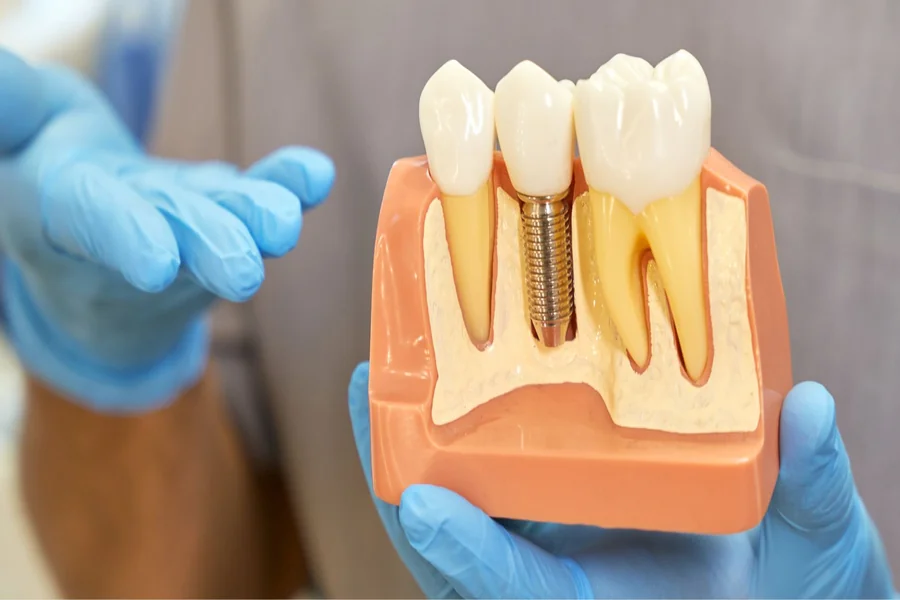
When you think about dental implants, you may picture the tooth on top, not the bone underneath. Yet your bone is what decides if an implant will hold or fail. Strong, dense bone can grip an implant like a tight anchor. Weak, thin bone can let it loosen or break. This is why your dentist studies your bone density before any implant plan. The goal is simple. You deserve a stable tooth that lets you eat, speak, and smile without fear. Your dentist in Skokie, IL will use scans and exams to see how much bone you have, how thick it is, and how it heals. Then you get a plan that fits your mouth, not a guess. This blog explains how bone density shapes each step of implant planning so you know what to expect and how to protect your future smile.
What Bone Density Means For Your Implant
Bone density is the amount of bone tissue in a certain space. High density means the bone is packed and strong. Low density means the bone is thin and weak. Your jaw must hold a titanium post under chewing force many times each day. If the bone is too soft, the implant can move. If it moves, it cannot bond well.
Research shows that people lose bone in the jaw after tooth loss. The body pulls calcium and other minerals away from bone that no longer supports a tooth. You may lose height and width of bone in only a few months. The National Institute of Dental and Craniofacial Research explains that missing teeth change how your jaw bone keeps its shape.
So your implant plan must match the bone you have right now. It cannot rely on how your mouth used to be.
How Your Dentist Checks Bone Density
Your dentist cannot judge bone by sight alone. You may see pink gums and think all is fine. Yet the bone under the gums can be thin or full of gaps. You need imaging and a hands on exam. Most offices use three main tools.
- Panoramic X rays. These show your whole jaw. They help spot tall or short bone and nearby nerves.
- 3D CT scans. These give slices of your jaw. They show bone height, width, and density in clear detail.
- Clinical exam. Your dentist checks your bite, gum health, and past tooth loss.
CT scans help grade bone with a unit called Hounsfield. Higher numbers mean denser bone. Lower numbers warn of soft bone. Your dentist may not quote these numbers to you. Yet these values guide the size of the implant, the angle, and the need for grafting.
Types Of Jaw Bone And What They Mean
Doctors often group jaw bone into four types. The types run from tight and strong to soft and thin. You do not need to know the code words. You do need to know what each type means for your care.
| Bone Type | Common Traits | Healing And Stability | Typical Plan
|
|---|---|---|---|
| Type 1 | Very dense, thick outer layer | Strong grip. Risk of slow blood flow in bone | Standard implant. Careful drilling to avoid heat |
| Type 2 | Thick outer layer. Good inner support | Good first stability and good healing | Standard size implant and normal healing time |
| Type 3 | Thinner outer layer. Softer inner bone | Less first grip. Needs time and careful force | Wider or longer implant. Possible bone graft |
| Type 4 | Very thin outer layer. Soft inner bone | Poor first grip. Higher risk of loosened implant | Bone grafts, sinus lift, or short implants. Longer healing |
This table shows why the same implant does not work for every person. Your jaw type tells your dentist how careful the plan must be and how long you must wait before using the tooth.
When Bone Density Is Too Low
Low bone density does not mean you lose your chance for implants. It means you need more steps. The National Institute of Arthritis and Musculoskeletal and Skin Diseases explains that bone loss can link with age, hormones, and some drugs. Your mouth is part of this story.
Your dentist may suggest three main paths.
- Bone grafting. Added bone or bone like material fills thin spots. Your body turns this into your own bone over time.
- Sinus lift. For upper back teeth, the sinus may sit low. A sinus lift raises the sinus floor and places bone under it.
- Short or angled implants. In some cases, shorter implants or special angles use the bone that still exists.
Each path adds time and cost. Yet each path raises the chance that your implant will last. Rushing past weak bone leads to failure. That failure means more surgery and more pain. Careful planning at the start is kinder to you.
How Bone Density Shapes Your Timeline
Your bone density shapes how long you wait between steps. Strong bone can hold an implant with tight grip on day one. You may get a temporary tooth soon after. Weak bone needs a slower pace.
A common three step path looks like this.
- Step one. Remove any bad tooth and place grafts if needed.
- Step two. Place the implant once the graft heals.
- Step three. Attach the crown after the implant bonds to bone.
Each step can last longer if bone density is low. Your dentist will tell you how long you must avoid hard chewing on that side. Your patience protects the bond between bone and implant.
What You Can Do To Support Strong Bone
You do not control every cause of bone loss. You do control many daily choices. These choices shape your jaw and the rest of your skeleton.
- Do not smoke. Smoking harms blood flow to bone and gums. It raises implant failure.
- Watch your blood sugar. Poorly controlled diabetes can slow bone healing around implants.
- Eat enough calcium and vitamin D. These nutrients help bone repair. Ask your doctor before you take supplements.
- Follow cleaning steps. Clean around your implant with a soft brush and floss. Keep plaque low so bone stays stable.
- Keep regular visits. Your dentist can find early bone loss on X rays and treat it fast.
These habits may feel small. Over years they protect the bone that holds your implant and your natural teeth.
Talking With Your Dentist About Bone Density
You have the right to clear answers about your bone and your options. Before you start, ask three direct questions.
- What is my bone like in the implant spot. Is it strong, medium, or weak.
- Do I need bone grafting or a sinus lift. If yes, why.
- How long will each step take before I can chew on this tooth.
A good dentist will show you your scans. You should see light and dark zones that match their words. You should hear honest talk about risks and back up plans. You should never feel rushed into surgery without clear reason.
Bone density is not just a number. It is the base of your new tooth and your daily comfort. When you understand it, you can decide with strength and calm. You can choose a plan that respects your body and your life.